Let's start with the obvious thing no one talks about
Hormonal birth control changes how your body responds to pleasure. Not in a spiritual way. In a literal, physiological, your-nerve-endings-are-responding-differently way. And if you've recently started, stopped, or switched contraception, your favorite lemon vibrator settings might suddenly feel all wrong.
Here's what's actually happening, and what you can do about it.
How birth control rewires your sensitivity
Hormonal contraception (the pill, patch, ring, shot, implant) floods your body with synthetic or bioidentical estrogen and progestin. These hormones don't just prevent ovulation. They reshape blood flow to your genital tissue, alter neurotransmitter levels in your brain, and change how your clitoris engorges during arousal.
The practical result: within days to weeks of starting new hormones, many people find that settings they've used for years feel too intense, too muted, or just... different. That's not a sign your body is broken. It's a sign you need to recalibrate.
Stopping birth control triggers the opposite effect. Your estrogen plummets. Testosterone rises (yes, people with vulvas produce it too). Blood flow patterns shift again. A vibrator setting that felt gentle might suddenly feel overstimulating.
What specifically changes
Sensitivity often increases at first. When you start hormonal birth control, some people become more sensitive to vibration within the first 1-2 weeks. This is partly because estrogen is initially higher, flooding tissue with more blood. Counterintuitive but common: you might need to lower your intensity settings.
Then it sometimes plateaus or decreases. After a few weeks on hormones, many people adapt. Sensitivity normalizes or even dampens slightly as your body adjusts. This is when you might need to bump settings back up.
Arousal patterns shift. Your baseline desire might feel different. You might need longer warm-up time, or conversely, find yourself aroused more quickly. This changes how you approach using a lemon clitoral vibrator. Slower ramps work better when arousal takes longer to build.
Vaginal lubrication changes. Some birth control increases natural lubrication. Some decreases it. Drier tissue feels more sensitive to friction or suction. If you're using a lemon sucker device, you might need to adjust intensity or use external lubricant differently.
The recalibration protocol
If you've recently changed your hormonal contraception, here's the framework I recommend:
Week 1: Start low and observe. If you've just started birth control, begin at pattern 1 or 2 on your lemon vibrator. Don't jump to your usual setting. You're gathering data, not chasing sensation. Spend 10-15 minutes with lower intensity and notice what feels present. Does it feel too gentle? Too strong? About right?
Week 2-3: Experiment in small increments. Move up one setting every few days. Skip around between patterns if your device allows it. Notice when something clicks. That click moment tells you where your sweet spot has moved to.
After 3 weeks: Establish a new baseline. By now, your hormones have stabilized enough that you can identify a reliable go-to setting. Mark it mentally or write it down. This is your new normal until your next hormonal shift.
If you stopped birth control: This takes longer. It can take 3-6 months for your cycle to fully regulate. Your sensitivity might fluctuate week to week at first. Expect to adjust settings based on where you are in your menstrual cycle. Some people find they're more sensitive in the follicular phase (first half of their cycle) and less sensitive in the luteal phase (second half). Keep a simple note of what works each week.
Specific adjustments for different scenarios
You started the pill or patch: Most common issue is overstimulation in the first week. Lower your intensity by 1-2 settings from your previous normal. Add more foreplay time. If you were using a lemon clitoral vibrator on pattern 4, try pattern 2. This prevents that "too much, too fast" feeling that derails arousal.
You switched to a higher-dose or lower-dose pill: If you've moved to a lower-dose formulation, you might need lower vibrator intensity initially. If you've moved to a higher dose, you might need higher intensity. The shift is usually smaller than starting new hormones from scratch, but it's real.
You got an implant or IUD with hormones: These release hormones more gradually and steadily than oral contraception. Adjustment period is often gentler and takes 6-8 weeks instead of 2-3 weeks. Your sensitivity might feel subtly different rather than dramatically different. Patience here pays off.
You stopped hormonal birth control entirely: You'll likely need a higher intensity setting as baseline testosterone returns. But this happens gradually. Resist the urge to jump straight to maximum intensity in week one. Give yourself 4-6 weeks before deciding what your new baseline actually is. During this time, your arousal might feel more variable depending on your cycle. That's normal.
Why this matters for clitoral vibrators specifically
Clitoral vibrators are sensitive instruments. The clitoris has 8,000 nerve endings packed into a tiny space. When your hormones shift, so does the calibration of those nerves. A lemon vibrator or any clitoral sucker that was perfectly calibrated for your body last month might feel jarring now.
This is also why people often say air-suction devices like the lemon are "better" for hormonal people. They're not actually better. They're just more forgiving of miscalibrated intensity because the sensation works differently than direct vibration. Suction builds gradually rather than hitting you with immediate vibration. That gradual ramp gives you more flexibility when your baseline sensitivity is in flux.
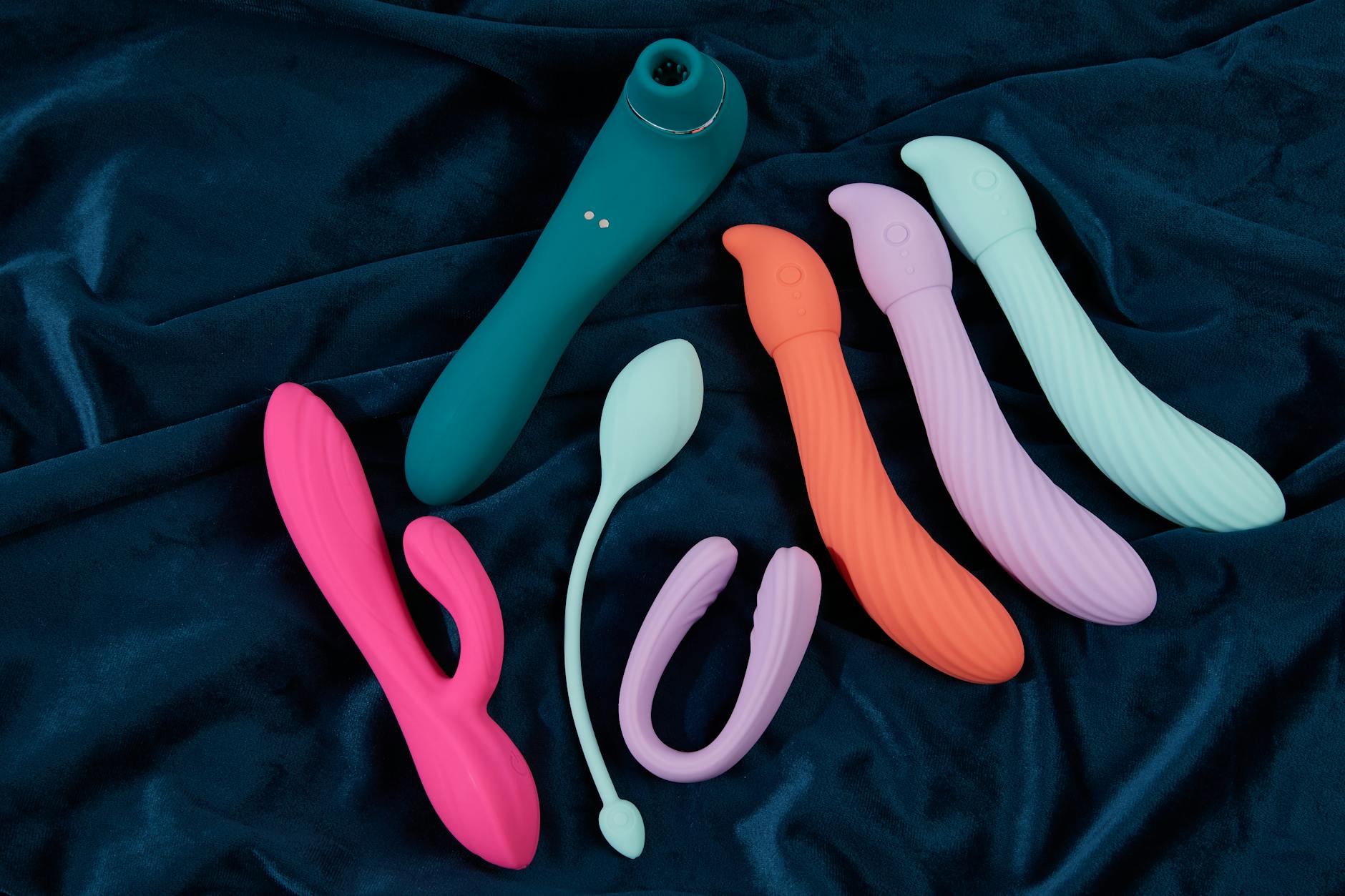
Photo by IFONNX Toys on Pexels
What if nothing feels right after recalibration
Sometimes you recalibrate and still feel stuck. Either everything feels muted or everything feels too intense. Two things to check.
First, make sure you're actually aroused before you start. Hormonal birth control can decrease spontaneous desire for some people. This doesn't mean you can't have arousal and pleasure. It means you might need to spend longer on foreplay, mental focus, or switching contexts. A lemon vibrator still works beautifully. You're just priming the engine for longer.
Second, consider whether lubrication has changed. If your birth control decreased natural lubrication, external lube becomes essential. Water-based lubricant doesn't just make things feel smoother. It protects tissue and changes how the device feels against you. Sometimes what seems like an intensity problem is actually a hydration problem.
If you're using a lemon sucker and nothing clicks, experiment with how long you stay at lower patterns. Instead of trying to reach maximum sensation, spend five minutes at pattern 1, exploring how the suction feels as your arousal builds. Sensation often comes not from intensity but from the interaction between your body's response and the device's action.
When to see a doctor about this
If sensitivity is painful or completely absent after 6-8 weeks on new hormones, that's worth mentioning to your gynaecologist or prescriber. Hormonal birth control side effects are real, and sometimes the particular formulation isn't right for your body. That's fixable information.
If arousal has completely flatlined and you're not interested in sexual pleasure at all, that's also worth discussing. Some formulations are linked to lower desire. There are other options, and you deserve to feel interested in your own pleasure.
The recalibration mindset
Here's the thing I want you to hold onto. This isn't a failure of your body or your toy. It's evidence that you're paying attention. Most people just accept that pleasure feels different after hormonal changes and assume it's permanent. You're instead taking the time to figure out what your body needs right now. That's the whole game.
Birth control changes your chemistry. Your lemon vibrator settings need to shift with it. Spend a few weeks getting curious instead of frustrated. Notice what patterns feel present. Notice when something clicks. Then settle into your new baseline, knowing it might shift again if you change contraception.
Your pleasure is worth the recalibration. Every single time.
People also ask
How long does it take for sensitivity to stabilize after starting birth control?
Most hormonal shifts settle within 3-4 weeks for oral contraception. Your body needs about that long to fully adjust to new hormone levels. For implants or IUDs, give it 6-8 weeks because the hormone release is slower and more gradual. During this stabilization period, expect some day-to-day variation. That's completely normal and doesn't mean something is wrong.
Will my sensitivity come back to normal if I stop taking hormonal birth control?
Yes, but slowly. It can take 3-6 months for your body to fully return to your pre-birth-control baseline. During this time, your sensitivity will fluctuate based on where you are in your menstrual cycle. Many people find they actually prefer their post-hormonal-birth-control sensitivity because it often aligns more closely with their natural cycle rhythms. You might discover new patterns that feel better than what you had before.
Can I use the same lemon vibrator settings while cycling between different birth control formulations?
Probably not consistently. Each change to your hormonal contraception, even within the same method, can shift your sensitivity. If you switch pills, even to a different brand, give yourself a 2-3 week recalibration window. Treat each change as a mini-reset. This sounds tedious but actually gets faster because you know what you're looking for. You already know how to find your sensitivity baseline. You're just doing it again.
Does lower-dose birth control feel different than higher-dose when using vibrators?
Yes, typically. Lower-dose formulations often result in lower baseline sensitivity initially, meaning you might need lower vibrator intensity. Higher-dose pills tend to increase sensitivity slightly. But this is individual. Some people respond the opposite way. The recalibration protocol works regardless of dose because you're letting your body tell you what it needs rather than guessing.
Should I adjust my lemon vibrator settings based on my menstrual cycle if I'm on hormonal birth control?
Probably not as much as you would without hormonal contraception. Most birth control pills or patches maintain hormone levels throughout your cycle, which means your sensitivity stays relatively consistent. However, some people do notice subtle shifts, especially if they take a placebo week and feel a temporary hormone dip. If you notice patterns, track them. But don't assume you need to adjust. Hormonal contraception is specifically designed to flatten these variations.
What if I'm on birth control for medical reasons but want to optimize pleasure? Can I talk to my doctor about formulation?
Absolutely. Your doctor can discuss different formulations if your current birth control is affecting arousal or sensation negatively. This is a legitimate conversation. You're not complaining. You're providing information about a side effect and asking if alternatives exist. Different progestin types, different estrogen doses, and different delivery methods all have different impacts on desire and sensation. The right fit exists. It might just take trying one or two to find it.