Let's start with what actually changes
Menopause rewires your body's response to pleasure, but it doesn't eliminate it. Estrogen drops, tissue thins, and lubrication shifts. What people rarely tell you is that these changes can actually make certain types of stimulation feel better, not worse. That's where lemon vibrators come in.
I work with hundreds of postmenopausal people navigating sexuality. Most arrive convinced something is broken. What I see instead is that their nervous system is still intact. Their capacity for orgasm is intact. Only the delivery system needs adjustment.
Why lemon vibrators often outperform traditional vibration after menopause
Traditional vibrators rely on direct mechanical friction against tissue. After menopause, that friction can feel intense, overwhelming, or even uncomfortable because tissue is thinner and more sensitive to aggressive stimulation.
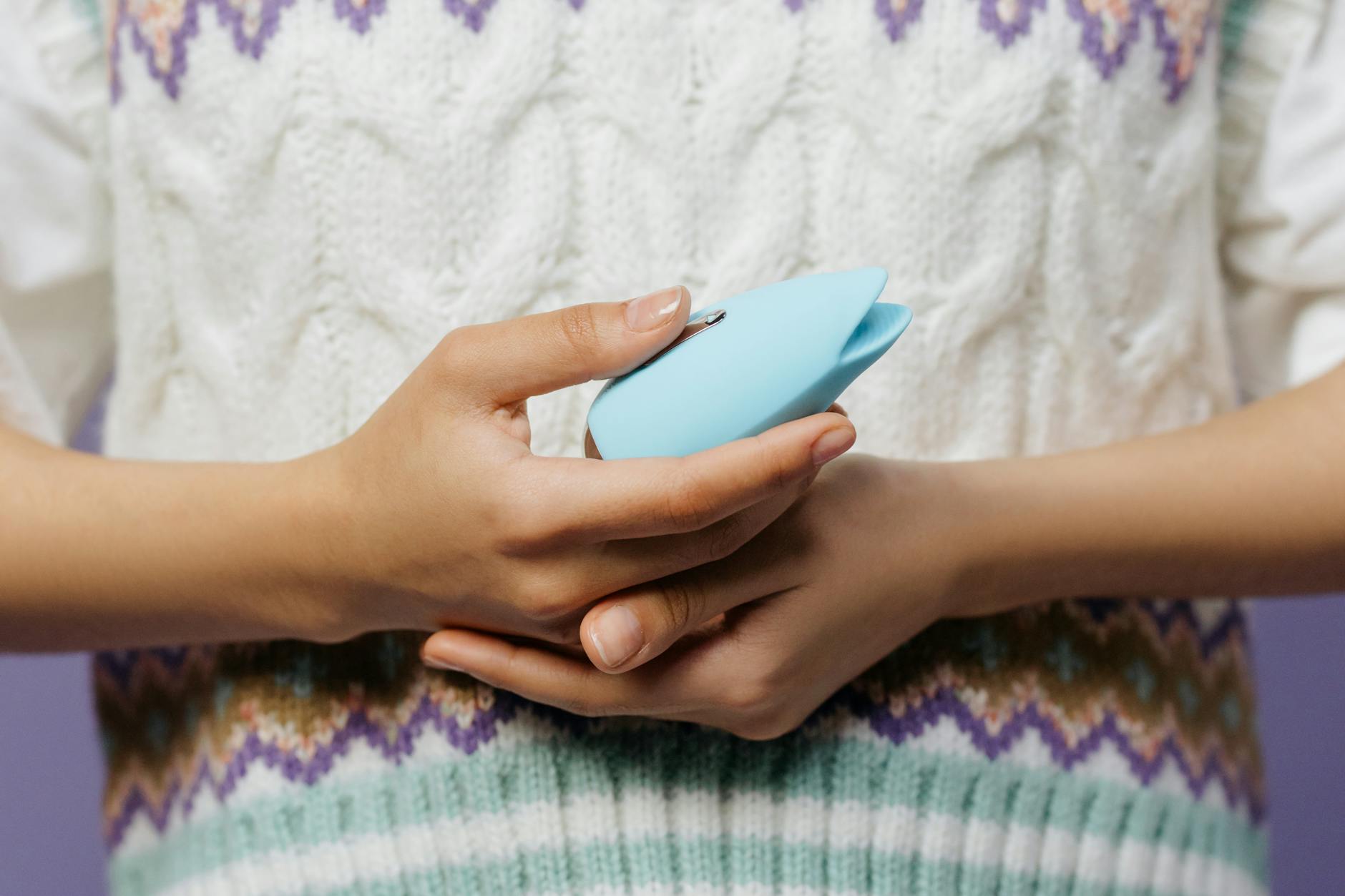
Lemon clitoral vibrators work differently. The Lem by Lemon Vibe, for example, uses air suction technology rather than buzz. Suction stimulates the nerve endings in the clitoris without the same mechanical pressure. Think of it like the difference between tapping your shoulder repeatedly and gently drawing your skin upward. One is percussion. The other is lift.
Here's the clinical part: the clitoris doesn't actually change its nerve density after menopause. What changes is the surrounding tissue's thickness. Thinner tissue means sensations register faster and sometimes more intensely. Suction vibrators avoid irritating that delicate tissue while still delivering powerful stimulation to the nerves that matter.
Many clients report that their most satisfying orgasms have happened after menopause, specifically when they switched to suction technology. This isn't flattery or denial. It's a real pattern I see in my practice.
The physical realities of postmenopausal sensation
Estrogen controls several things your pleasure depends on. Blood flow to the genital area decreases. The vaginal canal becomes less elastic. The clitoral hood gets thinner. Lubrication drops.
But here's what doesn't change: arousal pathways in the brain, nerve endings in the clitoris, your ability to orgasm intensely. The gap between those two realities is where confusion lives.
When I'm working with someone navigating this transition, I focus on three practical adjustments. First, lubrication becomes non-negotiable. Not because your body is broken, but because thinner tissue benefits from it. Water-based lubricant creates a protective layer and makes stimulation feel richer. Use it generously. Second, warm-up time extends. Budget 15 to 25 minutes instead of the five you might have gotten away with before. Your nervous system needs longer to reach arousal. That's not a problem. It's an invitation to slow down and actually enjoy the process. Third, starting intensity matters more than ever. On a lemon clitoral vibrator, begin at pattern level one or two and build upward. Many people discover their preferred sensation lives at level three, not level nine.
How to use a lemon vibrator specifically after menopause
Let me walk through a realistic scenario. You're holding a lemon clitoral vibrator for the first time after menopause. Here's what works.
Apply water-based lubricant generously to both the vibrator opening and your clitoris. The Lem suctioning best with lubrication, and lubrication also protects sensitive tissue. Position the opening directly over your clitoris. You'll feel suction start immediately. If intensity feels wrong, adjust with the buttons on the side. Most postmenopausal users find satisfaction at pattern two or three, where the suction pulses gently rather than aggressively.
The key difference from traditional vibrators is sensation location. With a buzzy vibrator, you feel vibration across the entire external clitoris. With suction, you feel the draw specifically on the clitoral glans. Some people describe it as more focused. Others say it feels fresher or less numb. Both reactions are common and valid.
Speed matters less than pattern. Rather than cranking intensity to eleven, try the different wave patterns the Lem offers. Many postmenopausal bodies respond better to rhythm variation than relentless speed. You're not trying to overpower tissue. You're trying to engage your nervous system. Different patterns do that in different ways.
Session length often extends too. Arousal builds more slowly, so plan for longer play. That's not a setback. Longer sessions mean more chance to explore sensation, experiment with angles, and actually enjoy the process rather than racing to orgasm.
The emotional layer nobody talks about
Menopause arrives with other life changes. Grown kids. Relationship shifts. Identity questions. Career changes. Grief. The default assumption is that any change in pleasure is hormonal. Sometimes it is. Often it's something else wearing a hormonal disguise.
If you're with a partner, the most valuable thing you can do is separate two conversations. "My body is responding differently to stimulation" is different from "I want us to reconnect." Conflating them turns both into dead ends.
I also see a lot of people treat menopause as a deadline for sexuality. It's not. It's a doorway. On the other side is often more freedom than before. Fewer fertility concerns. Less performance pressure. More ownership of your own pleasure. Some of my postmenopausal clients describe their sexual lives as fundamentally richer after hormones stabilize.
When to consider professional support
If pain appears during or after sex, don't wait. Genitourinary syndrome of menopause (GSM) is real, common, and highly treatable. A menopause-trained GP or gynecologist can offer topical estrogen creams that have minimal systemic absorption and often transform the experience in weeks.
If desire has completely evaporated, testosterone therapy is worth discussing. People with vulvas produce testosterone too. It's a major driver of desire. After menopause, it drops. Testosterone replacement is prescribed more conservatively in some regions, but it's available and often life-changing.
The point is this: if something feels wrong, it's not because you're broken. It's because the toolkit needs adjustment. Lemon clitoral vibrators are one tool. Professional support is another.
Rhythm and permission
Here's what I've noticed after years of working with postmenopausal clients. The people who report the most satisfying sexuality after menopause share something in common. They stopped trying to recreate premenopausal pleasure and started exploring what postmenopausal pleasure actually looks like.
That means longer foreplay. Different patterns and intensities. More lubrication. Potentially different tools like lemon vibrators that work with tissue changes rather than against them. But mostly it means permission. Permission to slow down. Permission to take time. Permission to experiment and discover what actually works for your body right now.
Menopause is not the ending of your sexual story. It's the middle chapter, and in many ways, the most interesting one.
FAQ: Common questions about lemon vibrators and postmenopause
Will a lemon vibrator feel different on postmenopausal tissue?
Yes, but usually better. Suction technology doesn't rely on friction against delicate tissue, so most postmenopausal users find suction vibrators gentler and more sensation-focused than traditional buzzers. Many report discovering pleasure they didn't have access to before menopause.
How much lubrication should I use with a lemon clitoral vibrator?
Generously. Lubrication isn't a sign of dysfunction. It's a basic necessity after menopause and it actually intensifies sensation. Apply enough that the suction cup opening feels slick. Water-based lubricant is essential because silicone-based lubes can damage silicone toys.
Why does my lemon vibrator feel intense when friends say theirs is gentle?
Your body's sensitivity has likely shifted. Postmenopausal tissue responds faster to stimulation, so you might feel intensity sooner. Start at pattern level one and build up. Many postmenopausal users find their sweet spot at levels two or three, not the highest settings.
Can I use a lemon vibrator if I have no lubrication at all?
Not comfortably. Suction vibrators require a seal to work, which means moisture or lubricant. If natural lubrication is absent, water-based lubricant becomes essential. If lubrication remains extremely limited even with arousal, that's worth discussing with a menopause-trained provider. GSM is treatable.
Is it normal to need longer arousal time after menopause?
Completely normal. Arousal is a system that relies on adequate blood flow and hormonal signaling. Both change after menopause. Longer warm-up time isn't a problem. It's actually an opportunity to enjoy extended foreplay rather than rushing. Many people find this transition genuinely improves their sexual experience.
Should I consider perimenopause strategies if I'm already postmenopausal?
No. Perimenopause and postmenopause are different hormonal stages. If you're past your last period, your body is stable in a postmenopausal state. Strategies designed for the fluctuation of perimenopause won't serve you. Focus instead on optimizing for stable lower estrogen, which means lubrication, longer arousal windows, and tools like lemon clitoral vibrators that work with tissue changes rather than against them.
Moving forward
Your postmenopausal body isn't a downgrade. It's different. And different, in this case, often means access to pleasure that requires less performance and more presence. Lemon vibrators meet you exactly where you are. They work with tissue changes instead of ignoring them. They deliver sensation without friction. They require patience and lubrication, which happens to align perfectly with what postmenopausal sexuality actually needs.
The real shift isn't physical. It's permission. Permission to slow down, to adjust, to explore, to discover what your body actually wants now. That's where the good stuff lives.