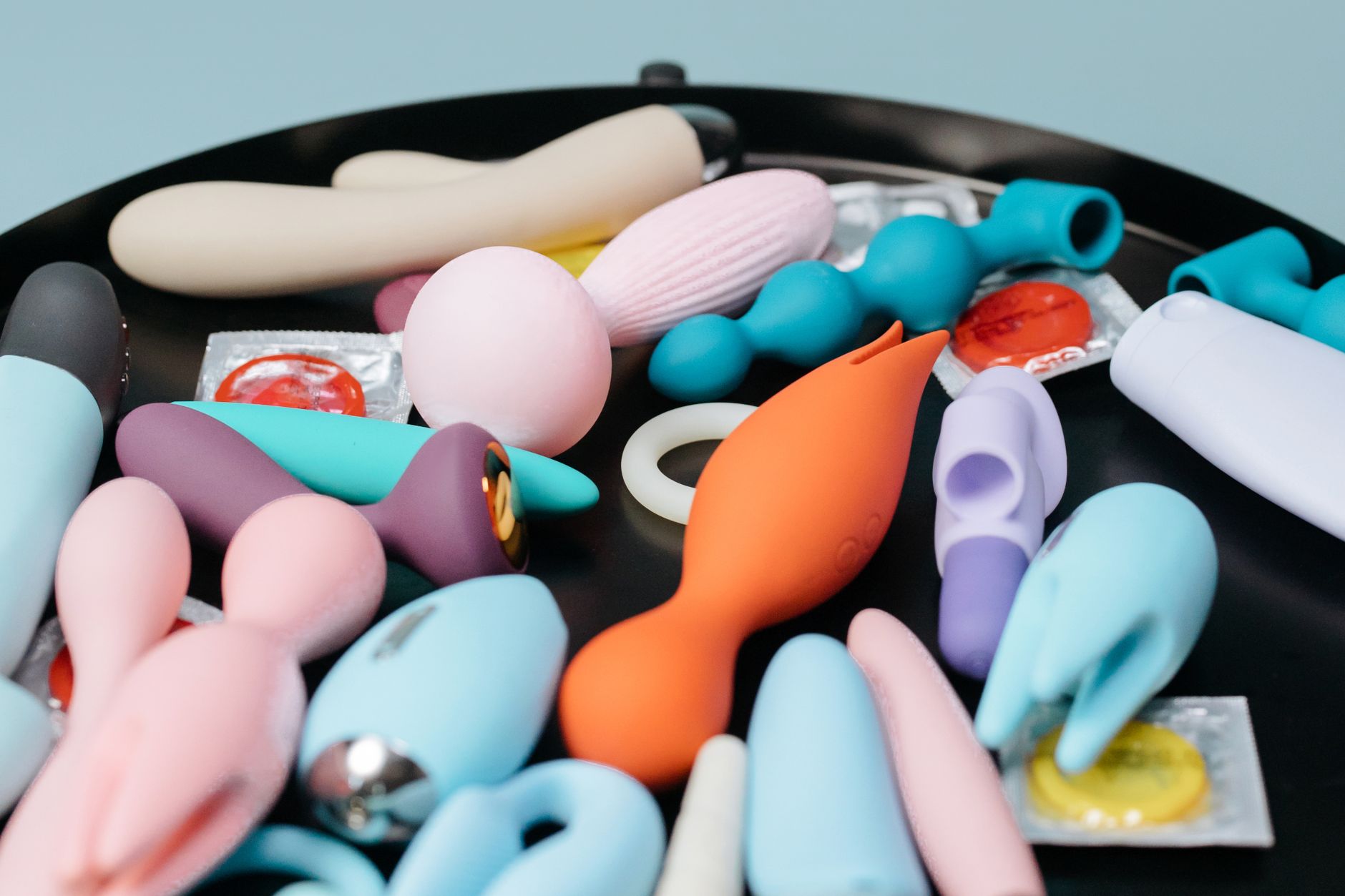
Let's talk about hands and pleasure
Here's what nobody mentions in the pleasure conversation: your hands age. Arthritis shows up. Grip strength softens. A device you held easily at thirty feels heavier at fifty-five. And somewhere in that shift, a lot of people assume they're supposed to just quit.
They don't have to. The architecture of pleasure doesn't change. Your hands do.
Why grip matters more than you think
When you're holding a vibrator for ten, twenty, or thirty minutes, you're asking your hand to sustain pressure, control angle, and manage weight all at once. Add even mild arthritis or hand fatigue into that equation, and the experience stops being about sensation and starts being about pain management.
That's not acceptable. Pleasure should never be something you endure through physical discomfort.
The good news is straightforward: lemon clitoral vibrators like the Lem are designed light and ergonomic already. But there are specific strategies to make them even easier to use when grip strength or dexterity shifts.
The ergonomic setup that changes everything
First, positioning. Most people hold vibrators the way they'd hold a toothbrush. That's fine if your hand is strong. If it's not, you need support.
Here's what works: lie on your back or reclined position, and prop the device between your thighs or against a pillow. Your hand isn't doing the work of holding weight anymore. It's just guiding and controlling intensity. The difference in fatigue between grip-holding and guide-holding is enormous.
If you're partnered, this is where a partner can genuinely help. They hold the device while you control the pressure and angle with your hand resting on top of theirs. It sounds simple, but it transforms the experience from something effortful into something collaborative.
For solo play, a small pillow or folded towel under your hips shifts the angle so the vibrator stays in place with minimal grip. You're using your hand for pleasure, not as a construction worker.
When hand pain shows up mid-session
If your grip starts to fatigue during use, pause. Seriously. Hand cramping during intimacy is common and completely fixable, but only if you stop before it becomes pain.
Switch hands. If you've been holding with your dominant hand, transfer the device to your non-dominant hand for a few minutes. It feels weird at first, but it gives your dominant hand's muscles a real break.
Or pause the device entirely and switch to external massage. Some lemon vibrators can rest between bodies or against a thigh while you use a hand to stimulate nearby areas. The goal is continuous sensation, not continuous grip.
Water-based lubricant helps too. It sounds counterintuitive, but good lubrication means less friction against your hand and less pressure needed to keep the device in place.
Arthritis and heat sensitivity
Arthritis often comes with morning stiffness or cold sensitivity. A warm hand is a functional hand. Before solo play, soak your hands in warm (not hot) water for a few minutes. Take a warm shower. The increased flexibility and reduced joint stiffness will make grip easier and more comfortable.
If you have significant arthritis in your fingers, avoid gripping the vibrator at the narrowest point. Most lemon vibrators have a slightly wider body. Grip there instead. A wider grip surface means you're distributing pressure across more of your hand, which reduces strain on individual joints.
Some people find that wearing a light, flexible glove helps. A cotton or silk glove isn't tight enough to restrict movement, but it provides enough friction that you don't need to grip as hard to maintain control.
The one-handed setup
If one hand is significantly weaker or painful, you can absolutely work with one functional hand. Recline fully, place a firm pillow under your hips to angle things toward where the vibrator needs to be, and let gravity do most of the work.
Your one good hand can rest on top of the device and control intensity and small angle shifts. You're not holding weight. You're conducting.
When vibration intensity matters
Here's something counterintuitive: lower intensity settings often require more grip to stay in place because there's less force pushing the device outward. Higher settings feel more secure because the vibration itself creates pressure.
If you have limited grip strength, try starting at a medium intensity rather than the lowest setting. The device will stay where you want it with less active gripping. Then adjust down only if the intensity feels too much.
This is one reason a device like the Lem, which has varied intensity patterns, is genuinely useful for people managing hand changes. You can dial intensity up or down without needing to change your physical grip strategy.
Partnered play adjustments
If you have a partner, conversation matters here. Tell them what's changed about your hands. That's not vulnerable. That's functional information that helps them help you.
Partners can hold the device while you guide. They can apply pressure while you control angle. They can take over mid-session if fatigue hits. This isn't a workaround. It's collaborative intimacy.
Many couples find that this shift actually deepens focus on sensation and presence because the pressure of physical execution is gone.
When to consider other modalities
If vibrators become genuinely difficult even with these adaptations, other options exist. Air-suction devices, wand vibrators, and clitoral vibrators designed for hands-free use are all worth exploring.
But honestly, most people find that the positioning and ergonomic shifts described here eliminate the problem entirely. It's rarely about the device. It's about how you're using your hand.
The mental piece
There's often a psychological shift that happens when hands start changing. Some people feel like their body is betraying them. Others feel old or less desirable.
Here's the reality: aging bodies are still pleasure-capable bodies. The pathways are all still there. The capacity is still there. It's just different than before.
I've worked with people in their sixties, seventies, and beyond who have some of the most satisfying intimate lives because they stopped fighting aging and started adapting to it. They use lemon vibrators and other tools not because they're desperate, but because they're practical.
Your pleasure matters at fifty, sixty, and seventy. It always did. You're just getting smarter about what works.
FAQ: Aging hands and vibrator use
Can arthritis make vibrators feel worse?
Yes. The vibration itself can sometimes irritate arthritic joints if you're gripping too tightly. That's why reducing grip force through positioning is the first move. If vibration continues to bother your hands even with light grip, try lower intensity settings or switch to devices with broader grip surfaces.
How do I use a lemon vibrator if I only have one good hand?
Recline fully, prop yourself on a pillow, and let gravity stabilize the device. Your functional hand rests on top and makes small adjustments. The device does the work. Your hand conducts. This works surprisingly well once you find the right angle.
Do I need a different vibrator if my grip is weak?
Not necessarily. Most good vibrators, including Hello Nancy's lemon clitoral vibrators, are designed light and ergonomic. Repositioning how you hold and use the device usually solves grip issues without needing a new toy.
Is partnered use easier on aging hands?
Often yes. When a partner holds or assists, your hands shift from effort mode to pleasure mode. Many people find partnered use feels less like work and more like genuine collaboration.
What if my hands feel fine but fatigue shows up during longer sessions?
Switch hands partway through. Take breaks. Lower intensity sometimes reduces fatigue better than pausing entirely. And remember, sessions don't have to be marathon events. Shorter, consistent pleasure is better than long sessions that leave your hands aching.
Can I use a lem vibrator hands-free?
Partially. You can position it between your thighs or against pillows so your hands rest nearby for guidance rather than gripping. Not fully hands-free, but close. Some people also enjoy having a partner hold it while they recline without hand involvement at all.
The closing bit
Aging doesn't have to be the ending of this particular story. It's a plot twist that requires different strategy, but the satisfaction is still entirely possible.
Your pleasure is worth the small adjustments. Your body is worth the care. And your hands, whatever they can do today, are enough.
If you'd like to talk through specific adaptations for your situation, or if you're navigating other changes in intimacy as you age, consider reaching out to discuss your needs. That's what we're here for.