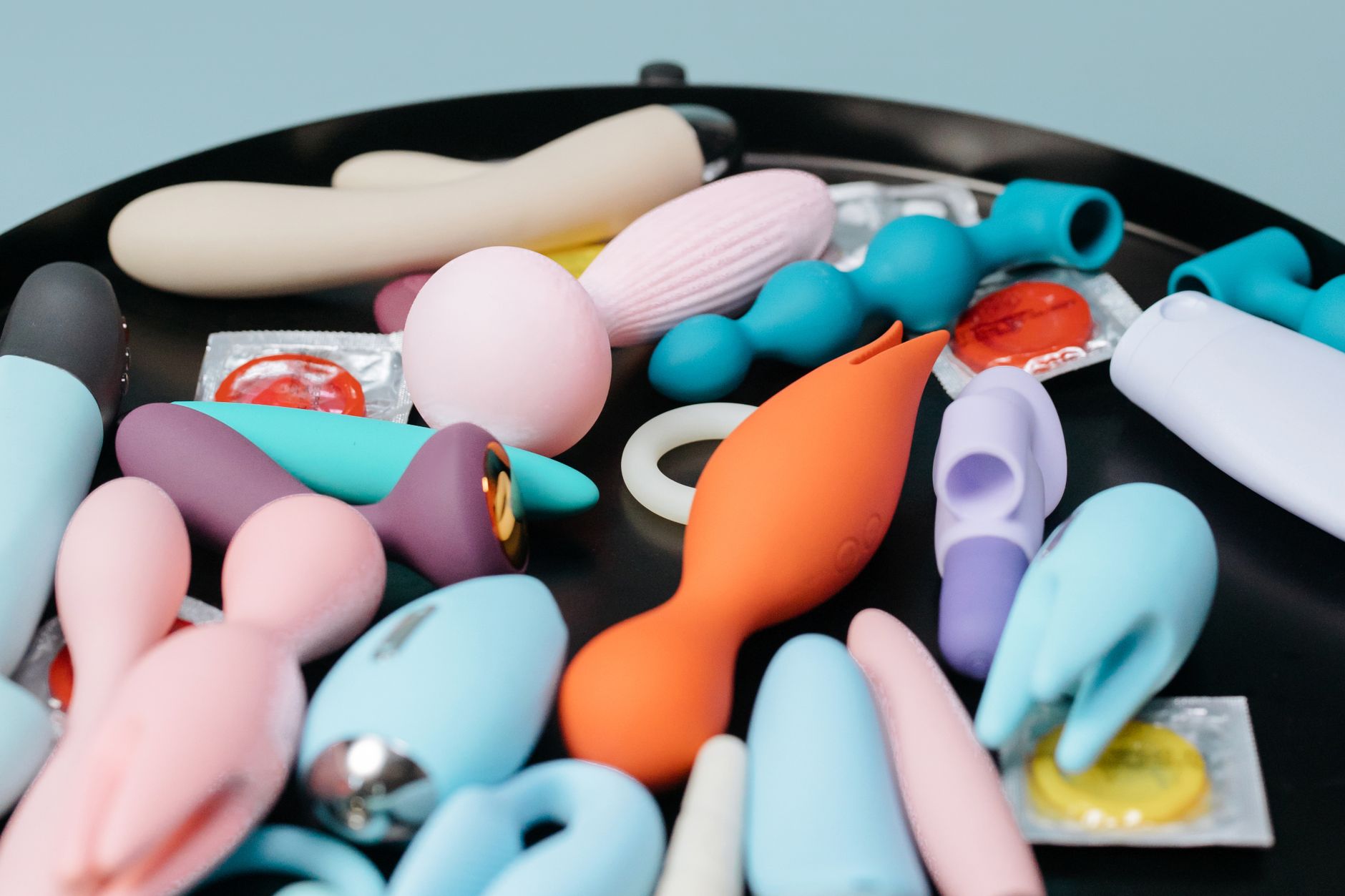
Chronic pain doesn't mean you forfeit pleasure
Let's start here: your body hurting doesn't mean your nervous system stops responding to good sensation. But pleasure when you're managing chronic illness or pain is a completely different negotiation than pleasure when you're well. The goal isn't to perform the same way you did before. The goal is to find what actually works for your body right now.
I've worked with dozens of clients navigating fibromyalgia, arthritis, ME/CFS, endometriosis, and other conditions that make pleasure complicated. What surprised most of them wasn't that pleasure was impossible. It was that the right tool, used the right way, could open a door they thought was closed.
Why lemon vibrators work differently for chronic pain bodies
Most vibrators rely on sustained penetration or friction. Both require you to hold a position, generate movement, or absorb repetitive stimulation. For someone managing chronic pain, that's exhausting before you even get to the pleasure part. You run out of stamina first.
Lemon clitoral vibrators work through suction and gentle pulsing. The difference is functional. You position the toy, relax, and let the sensation do the work. You're not bracing. You're not thrusting. You're not managing a heavy device. That shift changes what's possible when your energy budget is limited.
Energy management and pacing
Chronicillness often comes with the spoon theory dynamic. Your energy is finite and allocated across the day. Sex feels like a luxury you can't afford. But here's the real talk: pleasure isn't frivolous recovery time. It's active medicine for your nervous system. The question is how to have it without tanking your function for the next three days.
Start with 5 to 10 minutes. Not as a forever limit, but as a baseline while you learn what your body tolerates. A lemon clitoral vibrator on a low setting requires almost no muscular effort from you. You recline, position the toy, and stay still. Compare that to any position that requires you to move, contract, or hold tension. The energy math is completely different.
Space sessions 48 hours apart while you're figuring this out. If you notice a pain flare the next day, that's data. You can either pull back the session length or increase the interval. Some of my clients find that one 8-minute session every three days feels sustainable. Others can manage twice a week. There's no universal answer because chronic illness isn't universal.
Pain flares and the gentle reset
One of the strangest discoveries my chronically ill clients make is that light sexual stimulation during a low pain day can actually reset nervous system tension. It's not mystical. Gentle stimulation activates the parasympathetic nervous system. Your body shifts into rest-and-digest mode. Many people report that they fall asleep feeling more relaxed afterward, and their pain baseline feels slightly lower the next morning.
But here's the catch: only attempt this on days when your baseline pain is already manageable. If you're in acute flare territory, your nervous system isn't ready to shift into pleasure mode. Adding stimulation on top of active pain just teaches your brain to associate stimulation with distress. That's counterproductive.
Wait for a day when your pain is a 3 or 4 out of 10, not a 7 or 8. Use a lemon clitoral vibrator on the gentlest setting. Go slowly. If at any point the sensation tips toward discomfort instead of pleasure, stop. This isn't about pushing through. It's about meeting your body where it actually is.
Position matters more than you think
Chronicpain often comes with positional constraints. Maybe you can't lie on your back. Maybe sidelying triggers your symptoms. Maybe you need a lot of pillow support to stay comfortable. Work with that. A lemon clitoral vibrator doesn't require any particular body position. Recline in whatever position your body tolerates best. Use pillows under your knees, lower back, neck. Make yourself genuinely comfortable first. Then introduce the toy.
Many people with conditions like endometriosis or pelvic floor dysfunction find that pleasure is actually easier when lying on their side with a pillow between their knees. Some need their hips elevated. Some need total recline. The point is you're not constrained by the toy's design. You adapt the setup to your body's requirements.
Photo by Madison Inouye on Pexels
Medication interactions and sensation shifts
Certainchronic illness medications genuinely affect sensation and arousal. Some antidepressants, antihistamines, pain medications, and autoimmune drugs can mute sensation or make orgasm harder to reach. This isn't a flaw in your body. It's a documented pharmacological effect.
If you're on medications that affect sensation, you might need a toy that creates more distinct stimulation. That's where suction-based lemon vibrators shine. The sensation is concentrated and rhythmic in a way that cuts through numbness better than diffuse vibration. Start on the lowest setting and work up. You're looking for a sensation you can actually feel, not maximum intensity.
If orgasm becomes harder or impossible to reach, that's real and frustrating, and it's not something to white-knuckle through. Talk to your doctor about whether alternatives exist. Sometimes a medication swap or timing adjustment helps. Sometimes you learn to enjoy pleasure without orgasm as the finish line. Both are valid.
The fatigue factor
Conditions like ME/CFS, long COVID, or fibromyalgia come with crushing fatigue that makes even willing pleasure feel impossible. Your body wants to rest, and you feel guilty asking it to do anything else. Here's the thing: pleasure activates the parasympathetic nervous system. That's the rest system. You're not asking your body to work harder. You're asking it to rest differently.
But you do need to time it right. For most people with severe fatigue, early evening works better than late night. You're less depleted at 7 p.m. than at 10 p.m. Some people find morning works best, right after coffee and a small meal. Experiment with timing. Notice when your energy is least terrible, and pair pleasure with that window.
Keep the session brief. Five minutes is legitimate. Eight minutes is luxury. Anything beyond that asks your body for more stamina than it probably has. Use a lemon clitoral vibrator because it's low-effort. Set a soft timer so you don't have to think about time. When it goes off, you're done. Rest afterward. Don't try to do anything productive.
Building touch tolerance gradually
Sometimes chronic pain makes touch feel raw or hypersensitive. Your body perceives normal sensation as too intense. Other times it's the opposite. Pain deadens sensation and everything feels distant. You need to know which camp you're in before you introduce a toy.
Start solo. No toy yet. On a day when your pain is manageable, touch your clitoris directly with your hand for 30 seconds. Notice what you feel. Does it feel good, neutral, or uncomfortable? Does the sensation feel local or does it radiate pain? If it radiates pain or feels unpleasantly raw, stop. Your nervous system isn't ready yet.
If direct touch feels fine, try the same experiment with your hand wet. Then try with a soft cloth. Then try very low sensation with a lemon clitoral vibrator on its gentlest setting, just for 10 seconds. You're building tolerance in graduated steps. This matters because it prevents you from accidentally overstimulating and creating a negative association between pleasure and pain.
When you need to pause or stop
Chronicpain days are unpredictable. You can plan everything perfectly and wake up in a flare anyway. That's normal. If you've scheduled pleasure time and your body shows up in worse condition than expected, cancel it. No guilt. This is data, not failure.
You might also discover that some days pleasure feels completely disconnected from your body. You can physically receive stimulation but it's not landing. That's common with dissociation or severe fatigue. Stop. Rest. Try again in a few days.
The goal is building a sustainable relationship with pleasure, not forcing it onto a schedule. Your body will cooperate better if you listen to it than if you push through.
Partner dynamics when chronic illness is in the picture
If you have a partner, talk about this openly before you try it. Explain that you're exploring pleasure on your terms and timeline. Explain why you need to pace it. The best partners understand that your pleasure isn't a project they need to fix or optimize. It's something you're managing for your own wellbeing.
Some partners want to participate. Some prefer solo play. Some want to be in the room but not directly involved. All of that's fine. The conversation matters more than the configuration. You're both adjusting to a body that functions differently than before. That's a couple's adjustment, not a solo one.
The psychological piece
Chronicillness grief is real. Your body doesn't do what it used to. Pleasure gets tangled up with that grief. You might feel angry that something that used to be effortless now requires negotiation. You might feel sad about what changed. You might feel guilty for wanting pleasure at all when you're managing so much else.
All of that's normal. It's also worth naming, ideally with a therapist who gets it. Pleasure isn't frivolous even when you're ill. It's a way of saying: I still live in this body. I still deserve good sensation. My illness isn't my whole life.
Using a lemon clitoral vibrator becomes less about performance and more about reclamation. You're saying yes to your own sensation despite the complications. That's powerful.
People Also Ask
Can I use a lemon clitoral vibrator if I have pelvic floor dysfunction?
Yes, but check with your pelvic floor physical therapist first. If your pelvic floor is overactive and tight, stimulation sometimes triggers more tension. Sometimes it helps release tension. It depends on your specific presentation. A therapist trained in pelvic floor work can guide you on whether external clitoral stimulation is safe for your situation right now. Start low and go slow if you get the green light.
What if the suction sensation aggravates my pain?
Stop using it. Suction works beautifully for many people with chronic pain, but it's not universal. Some find direct stimulation irritating when their nervous system is already overloaded. Try a gentler vibrator with diffuse vibration instead. Or stick to hand stimulation with lubricant. Your body's preference matters more than any particular tool.
How do I know if I'm pushing too hard and triggering a flare?
Watch your pain baseline over the next 24 to 48 hours. If it's noticeably worse the next day and stays elevated, you probably pushed too hard. Next time, shorten the session by two or three minutes. Also notice your fatigue. If you're significantly more exhausted after, scale back. You're looking for sessions that feel good during and leave you feeling okay afterward, not wiped out.
Is it normal for sensation to change day to day?
Completely normal. Chronic pain is variable. Some days your nervous system is calmer and sensation feels vivid. Other days everything feels muted. Some days external stimulation feels good. Other days it feels irritating. This isn't instability. It's just what chronic illness is. Adapt to what your body offers each day instead of fighting for consistency.
Can pleasure actually help my chronic pain long-term?
It won't cure your condition, but regular gentle stimulation does train your nervous system toward parasympathetic activation. That can lower overall pain baseline slightly and improve sleep. The mechanism is real. But it's one tool in a bigger toolkit. Keep doing physical therapy, managing stress, working with your doctor. Pleasure is part of the picture, not the whole picture.
What lubricant should I use with chronic pain?
Water-based lubricant is safest if you're already dealing with inflammation or irritation. Avoid anything with glycerin if you're prone to yeast infections. Some people find coconut oil works, but it's not compatible with silicone toys. If your pain condition affects your microbiome, ask your doctor about lubricant recommendations. The wrong lubricant can trigger flares.
Moving forward
Chronicpain changes the landscape of pleasure. It doesn't erase it. Using a lemon clitoral vibrator with chronic illness is about meeting your body with honesty instead of pushing it toward someone else's version of normal. You get to decide what pleasure looks like now. You get to take your time. You get to listen to what feels good.
If you want to explore this further or have specific questions about your situation, reach out. We can talk about what you're navigating and what might help.