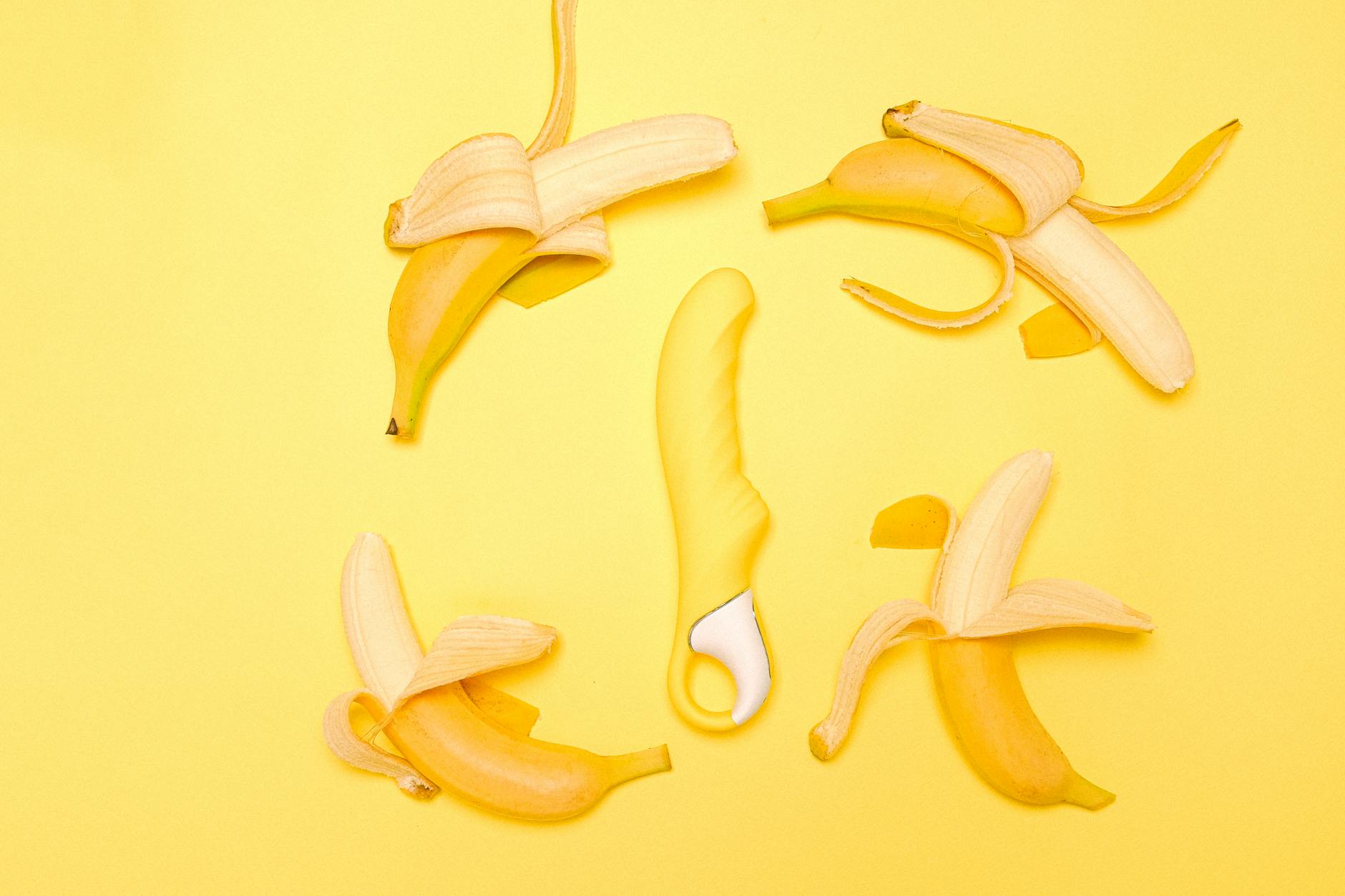
When pleasure gets put on pause
Here's the thing nobody warns you about: taking a break from sex changes your body. Not permanently. Not in a way that means something's wrong. But your nervous system recalibrates. Sensitivity shifts. Arousal takes longer to build. Confidence gets quieter. Whether the break was months or years, whether it was intentional or circumstantial, coming back to pleasure can feel like learning a new language in your own body.
I've worked with hundreds of people navigating this exact moment. The ones who do it best aren't the ones who jump back in at full intensity. They're the ones who treat reconnection like a conversation, not a sprint.
Why your body feels different after time off
When you step away from sexual activity or self-pleasure, several things happen physiologically. Your pelvic floor muscles lose some of their tone and flexibility. The neural pathways that signal arousal need time to wake back up. Psychological factors matter equally: your brain might be holding anticipation, nervousness, or just plain unfamiliarity with the sensation.
None of this is damage. It's your body being honest about dormancy.
What's interesting is that people often misinterpret this as permanent loss of capacity. "I used to be able to orgasm easily, so something must be broken now." Not quite. Your body is asking for permission to reconnect gradually. Think of it like returning to exercise after months off. Your muscles haven't forgotten how to function. They've just asked for a gentler reentry.
Starting with intention, not pressure
The biggest mistake I see is people treating reconnection like they need to "get back to normal" as fast as possible. The normal you're chasing doesn't exist right now. This is a new normal, and that's actually an opportunity.
Before you touch a lemon vibrator or any toy, sit with a simple question: What am I hoping to feel? Not what should I feel. What do I actually want right now. Maybe it's permission to feel pleasure without guilt. Maybe it's curiosity. Maybe it's just proof that sensation still works. Naming that intention matters because it keeps you from spiraling into "this should feel amazing but it doesn't" territory.
The Lemon vibrator advantage for returning to pleasure
Lemon clitoral vibrators work differently than traditional wand vibrators. Instead of direct vibration, they use gentle suction and pulsation that mimics the sensation of oral stimulation. For someone easing back into pleasure, this is genuinely helpful.
Why? Because suction stimulates a broader area of nerve endings without the intensity or direct friction that can feel overwhelming after a break. You get sensation without pressure. You get feedback from your body without having to push through discomfort. The patterns on a Lemon vibrator also let you start at lower intensities and build gradually, which is exactly what reconnection demands.
If you're returning to pleasure after months or years, starting with pattern 1 or 2 on a Lemon clitoral vibrator gives you control. You're not committed to sensation. You're exploring it.
The reconnection roadmap in four stages
Stage One: Solo exploration, no agenda. Spend 2-3 sessions just getting reacquainted with your own touch. Use your hands. Notice where sensation feels easiest. No toys yet. No goal of orgasm. Just presence.
Stage Two: Introduction to lower patterns. Once you're comfortable with your own hands, introduce your Lemon vibrator at the lowest setting. Spend 10-15 minutes on pattern 1. This isn't foreplay. This is mapping sensation. Notice what feels good, what feels like nothing, what feels too much. All of it is data.
Stage Three: Expanding the range. After 3-4 sessions with lower patterns, explore patterns 2 and 3. Spend time on each one. Notice how they feel different. Some people find that lower patterns create more pleasure than they expected. Others build toward higher intensities. There's no timeline here.
Stage Four: Adding context and pleasure. Once you're comfortable with the vibrator itself, bring in the rest of your world. Maybe that's a partner. Maybe that's fantasy. Maybe that's specific music or location. This is where pleasure becomes integrated again, not a separate thing you're testing.
Lubrication matters more than you think
After time away, tissue sensitivity changes. Some people experience dryness. Others find that tissues are more reactive than they remember. Lubrication isn't about "something being wrong." It's about creating an environment where sensation feels good instead of uncomfortable.
Use water-based lube with your Lemon vibrator. It amplifies sensation, reduces friction-based discomfort, and honestly makes everything feel better. Apply it generously and reapply as needed. You're not trying to seem wet or experienced. You're creating conditions where your body can respond authentically.
What to do if reconnection stalls
Sometimes people get to stage two and plateau. Pattern 1 feels nice, but nothing's building toward more. This is actually normal and not a sign of dysfunction.
First, check your baseline. Are you fully relaxed? Are you in an environment where you can actually let go? Are you still holding the belief that "it should feel like it used to"? Reconnection takes patience, and impatience kills arousal faster than anything.
Second, give it time. I usually recommend 4-6 weeks of consistent exploration before deciding anything needs to change. Your nervous system recalibrates slowly. You're not behind. You're exactly where you need to be.
If you're still experiencing numbness or disconnect after 6 weeks, check in with how you're actually feeling emotionally. Sometimes low sensation is your nervous system's way of saying something else needs attention first. Unprocessed stress, relationship friction, or unresolved trauma can all show up as numbness. That's not a vibrator problem. That's a signal to slow down and figure out what's underneath.
Bringing a partner into reconnection
If reconnection involves a partner, the conversation matters more than the toy. Before you bring a Lemon vibrator into partnered sex, talk about what reconnection means to you. Not in a clinical way. Just honestly.
"I've been away from this for a while and my body feels different." "I want to take this slowly." "I might feel numb at first and that's okay." These conversations prevent the trap where a partner takes lack of immediate enthusiasm as rejection when it's actually just biology.
Many people find that having a partner present for reconnection actually helps. Presence, attention, and patience are genuinely arousing. A partner who understands that stage one is about exploration, not performance, becomes an ally in the process instead of another source of pressure.
If the relationship needs work beyond just physical reconnection, that's separate. You might look at how to rebuild emotional intimacy first, and let physical reconnection follow naturally.
The timeline question everyone asks
How long does it actually take to fully reconnect? Honestly, it depends on how long you were away and what you're healing from. Someone reconnecting after three months might feel baseline restoration in 4-6 weeks. Someone returning after years might need 8-12 weeks to feel genuinely confident again.
But here's what matters: you don't get back to "before." You move forward into "now." And now, reconnecting with intention and the right tools, often feels better than before because you understand what you actually want.
When to seek outside support
If reconnection stalls despite consistent, patient effort, or if you're experiencing pain during any exploration, talk to a healthcare provider. Pain is never part of reconnection. Neither is persistent numbness after 8-10 weeks of gradual exploration.
A therapist or sex educator can also help if the break was related to trauma or relationship hurt. Sometimes reconnection needs more support than a toy can provide. That's not failure. That's knowing what kind of help actually serves you.
The actual truth about reconnection
Time away from pleasure doesn't damage your capacity for it. It just requires you to be honest about where you are right now instead of where you used to be. A Lemon vibrator, with its intuitive patterns and gentle suction, gives you the tools to explore gradually without pressure. Your body knows how to feel pleasure. It's just asking for patience while it remembers.
People also ask
How often should I use a lemon vibrator when I'm reconnecting after a break?
Start with 2-3 times per week for 10-15 minutes. Consistency matters more than duration. Your nervous system needs regular, gentle signals that sensation is safe and available. Three short sessions where you actually relax beat one long session where you're putting pressure on yourself to perform.
Can I use a lemon clitoral vibrator if I'm reconnecting with a partner?
Absolutely. Many couples find that lemon vibrators integrate beautifully into partnered sex because they complement rather than replace partner touch. The suction mimics oral stimulation, which many people find more intimate than traditional vibration. Your partner can be involved as much or as little as you want.
What if I don't feel much sensation the first time I use a lemon vibrator after a break?
This is extremely common and doesn't mean something's wrong. Your nervous system is cautious after time away. Keep using lower patterns consistently for 2-3 weeks. Most people report that sensation builds gradually. If it doesn't, check in with whether you're actually relaxed or if you're unconsciously bracing yourself against the sensation.
Should I use lube with a lemon vibrator during reconnection?
Yes, always. Water-based lubricant reduces friction and amplifies the suction sensation. After time away, this makes the experience more comfortable and more pleasurable. There's no such thing as "too much" lube during reconnection.
Is it normal to feel emotionally triggered during reconnection?
Yes. Pleasure activates your parasympathetic nervous system, which can release stored emotions. If you feel unexpectedly sad, angry, or overwhelmed during reconnection, pause, breathe, and let yourself feel it. Emotions during pleasure aren't a sign something's wrong. They're a sign your body is processing and healing. If the emotions become overwhelming, reconnecting with emotional intimacy might be a helpful place to start.
How do I know if I'm reconnecting successfully?
Success looks like gradual expansion of what feels good. Sensation builds a little more each week. You feel less self-conscious. Arousal comes slightly faster. Orgasm might take a while, but you don't need it to measure progress. You're successful when reconnection stops feeling like work and starts feeling like exploration again.