
Sexual disconnection happens to almost everyone
Let's be real: somewhere between stress, life changes, medication, relationship shifts, or just the weight of existing in the world, your sexuality can feel like it belongs to someone else. Not broken. Not gone. Just... absent. Like a door you haven't walked through in years.
The good news is that reconnection is possible, and it doesn't require anything extreme. It starts small. It starts with curiosity.
What sexual disconnection actually feels like
Sexual disconnection isn't always dramatic. You might notice it as a flatness where desire used to be, or a numbness when you try to engage. Sometimes it's physical avoidance (not wanting to be touched), sometimes it's mental (your brain just isn't interested), and sometimes it's both layered together.
Common experiences I see with clients:
- You can theoretically have sex, but you don't want to
- Stimulation feels muted or distant, like you're watching it happen to someone else
- You've forgotten what turns you on, or it's changed completely
- Guilt or shame around pleasure has built up over time
- You're on antidepressants, hormonal changes, or other medications that flat-lined your arousal
- Your sexuality got tangled up with trauma, relationship pain, or loss
- Life events (divorce, grief, major stress, parenting) completely derailed your sexual self
What they all have in common: disconnection isn't a character flaw or a sign that you're broken. It's a sign that something shifted, and reconnection requires a different approach than you might have tried before.
Why lemon clitoral vibrators help bridge the gap
When you're sexually disconnected, high-pressure tactics (aggressive vibration, partner expectation, performance pressure) usually push you further away. What you need instead is a tool that invites you back in without demanding anything.
Lemon vibrators, especially air-suction clitoral vibrators like the Lem, work differently than traditional vibration. They use gentle suction and pulse patterns that mimic the body's natural response to pleasure. This matters when you're reconnecting because:
They feel less clinical. There's something gentler about suction. It doesn't feel like a motor running against you. It feels more like a conversation with your own body.
You control the pace. Unlike a partner or a scenario, lemon sexual toys let you explore at exactly your speed. Too much sensation? Drop down to pattern 1. Need something subtly different? Adjust. This autonomy is crucial when rebuilding trust with your own pleasure.
They're forgiving. If you don't feel anything the first time, the device isn't the problem. If you feel something small and quiet, that's still progress. There's no performance pressure, no audience, no timeline.
Starting where you actually are, not where you think you should be
The biggest mistake people make when reconnecting is jumping to intensity. They figure if they haven't felt pleasure in months, they need to force it hard and fast. That's backwards.
Start with exploration, not outcome. Your only job is to notice. Not to orgasm, not to feel amazing, just to notice what your body responds to and what it doesn't.
Step 1: Get curious without pressure. Set aside 15-20 minutes where you're alone, comfortable, and not trying to "achieve" anything. Download a playlist you actually like. Make the space feel intentional, not clinical. This alone signals to your body that this is different from before.
Step 2: Touch your body like you're learning it for the first time. Not just genitals. Your forearms, your neck, the inside of your wrists. Where does touch feel good? Where does it feel numb? Where does it feel uncomfortable? These answers change, and that's fine.
Step 3: Introduce the lemon vibrator on the lowest setting. Don't go straight for the most sensitive part of your body. Start on your thighs, your labia, the area around your clitoris. Get used to the sensation of the device. It's not about building toward something. It's about meeting your body where it actually is right now.
Step 4: Notice without judgment. Maybe you feel nothing. Maybe you feel a tiny spark. Maybe you feel frustrated that you feel nothing. All of those are data. None of them mean anything is wrong.
Building a ritual that actually works for disconnection
When you're reconnecting with sexuality, the ritual often matters more than the intensity. Your nervous system needs to know that this space is safe, that there's no performance metric, that your body gets to take its time.
Make it regular but not rigid. Once or twice a week, same time of day if possible, but don't turn it into another obligation. If you miss a week, you're not failing.
Pair it with something grounding. Some people light a candle. Some put on a specific scent. Some take a warm bath first. Your body remembers these cues, and they signal "this is a different kind of time."
Stay off your phone. This one's non-negotiable. The second your brain splits attention, your nervous system feels the threat, and disconnection deepens. Your sexuality lives in full presence.
Let it be boring sometimes. You don't need to feel amazing every time. Some sessions will be quiet. Some will feel like nothing happened. This is normal and actually part of reconnection. You're teaching your body that pleasure isn't a performance.
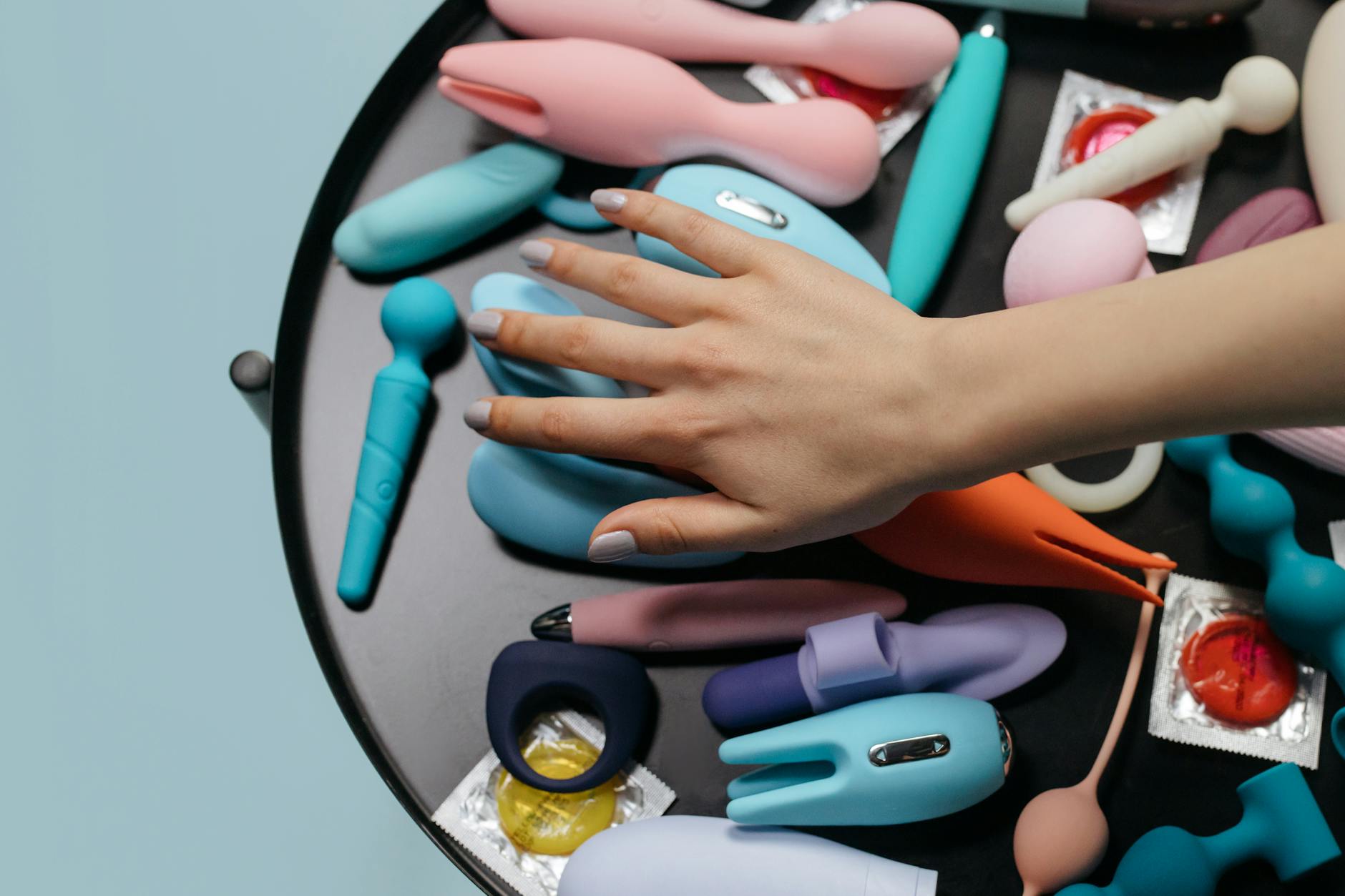
Photo by cottonbro studio on Pexels
What changes when you start reconnecting
The first shifts are usually subtle. You might notice that you're thinking about pleasure for a moment when you weren't before. Or that your body responds slightly faster to touch. Or that you feel less hostile toward your own sexuality.
These small changes are everything. They're proof that the disconnection isn't permanent.
Over weeks or months, clients usually report:
- A shift from numbness to at least noticing sensation, even if it's quiet
- More curiosity about their own body instead of avoidance
- Reduced shame or guilt around self-pleasure
- A sense that their sexuality is theirs again, not something that happened to them or something they're failing at
- If they're partnered, an ability to communicate differently about what they actually want and need
None of this requires you to feel electric or transformed. Reconnection is usually slow, quiet work. But it's real.
When to reach out for support
If you've been disconnected for years and nothing is shifting after a few months of consistent exploration, a therapist who specializes in sexuality can be invaluable. They're not there to shame you or push you. They're there to help you understand what's underneath the disconnection.
Same goes if disconnection is tied to trauma, medication side effects that are severe, or relationship dynamics that are actively blocking pleasure. Those situations sometimes need more support than self-exploration alone.
You might also find that reconnecting with yourself sexually helps you reconnect in other ways. If you're partnered, let them know you're working on this. They don't need details, but knowing that you're taking your sexuality seriously can actually deepen trust and intimacy.
People also ask
How long does it take to feel pleasure again after disconnection?
There's no set timeline. Some people notice shifts in weeks. Others take months. The key variable isn't time, it's consistency and removing pressure. The moment you make it about reaching a specific feeling by a specific date, you've reintroduced performance pressure, and that pushes pleasure further away. Trust the process, not the pace.
Is it normal to feel nothing with lemon vibrators when you're disconnected?
Completely normal. Disconnection often includes numbness, and that numbness doesn't vanish instantly. Using a clitoral vibrator when you're numb is like learning a new language. At first, you don't understand anything. Then you recognize one word. Then a phrase. Sensation can rebuild the same way.
Should I tell my partner I'm using lemon vibrators to reconnect?
Depends on the relationship. If you're partnered and there's trust, transparency usually helps. You're not hiding something shameful. You're actively working to rebuild your sexuality for both of you. If there's shame or judgment in the relationship around sexuality, reconnecting might include addressing that first. Consider reading about how to use lemon vibrators with a partner without awkwardness if communication feels sticky.
What if lemon adult toys just don't work for me?
Different tools work for different bodies. If air-suction vibrators don't feel like anything, try a different pattern setting first. If that doesn't help, you might explore other lemon sexual toys or other approaches entirely. The device is just the invitation. Your body is the one that has to say yes. If it's saying no to a particular tool, listen to that and explore differently.
Can disconnection come back even after I've reconnected?
Yes. Sexuality isn't linear. Life happens. Stress, medication changes, relationship shifts, grief. All of these can dial down pleasure again. The difference is that once you've reconnected once, you know how to do it again. You have proof that it's possible. That knowledge changes everything.
Is there a way to speed up reconnection?
Not really, and trying usually backfires. The fastest way is actually the slowest way: consistency, patience, curiosity, and removing all performance pressure. The moment you're trying to force a feeling, your nervous system knows it, and it pulls away. Let the process unfold at its own pace.
Your sexuality is still in there
Disconnection feels absolute when you're in it. Like that part of you is just gone. But it's not. It's waiting. And reconnection doesn't require anything dramatic. It requires showing up, with patience and curiosity, and letting yourself slowly remember what your own pleasure feels like.
Start small. Stay consistent. Remove pressure. Notice what happens. That's enough.
If you're ready to explore what works for your body, we're here. And if you want to talk through what reconnection might look like for you specifically, reach out. You're not the first person to feel this way, and you won't be the last to find your way back.