When libido doesn't match, nothing else feels quite right
Here's what no one tells you about mismatched desire: it's not actually about sex. It's about feeling wanted, feeling like a burden, feeling like you're failing at something you're supposed to be naturally good at. When one partner has significantly higher desire than the other, the lower-desire partner often feels guilty. The higher-desire partner feels rejected. Both feel alone.
I've worked with hundreds of couples in this exact space, and the pattern is always the same. One person initiates, the other declines, resentment builds slowly, and eventually someone stops trying altogether. That's when couples tell me things like "We haven't had sex in six months" or "I don't even know how to want them anymore." The gap widens faster than anyone expected.
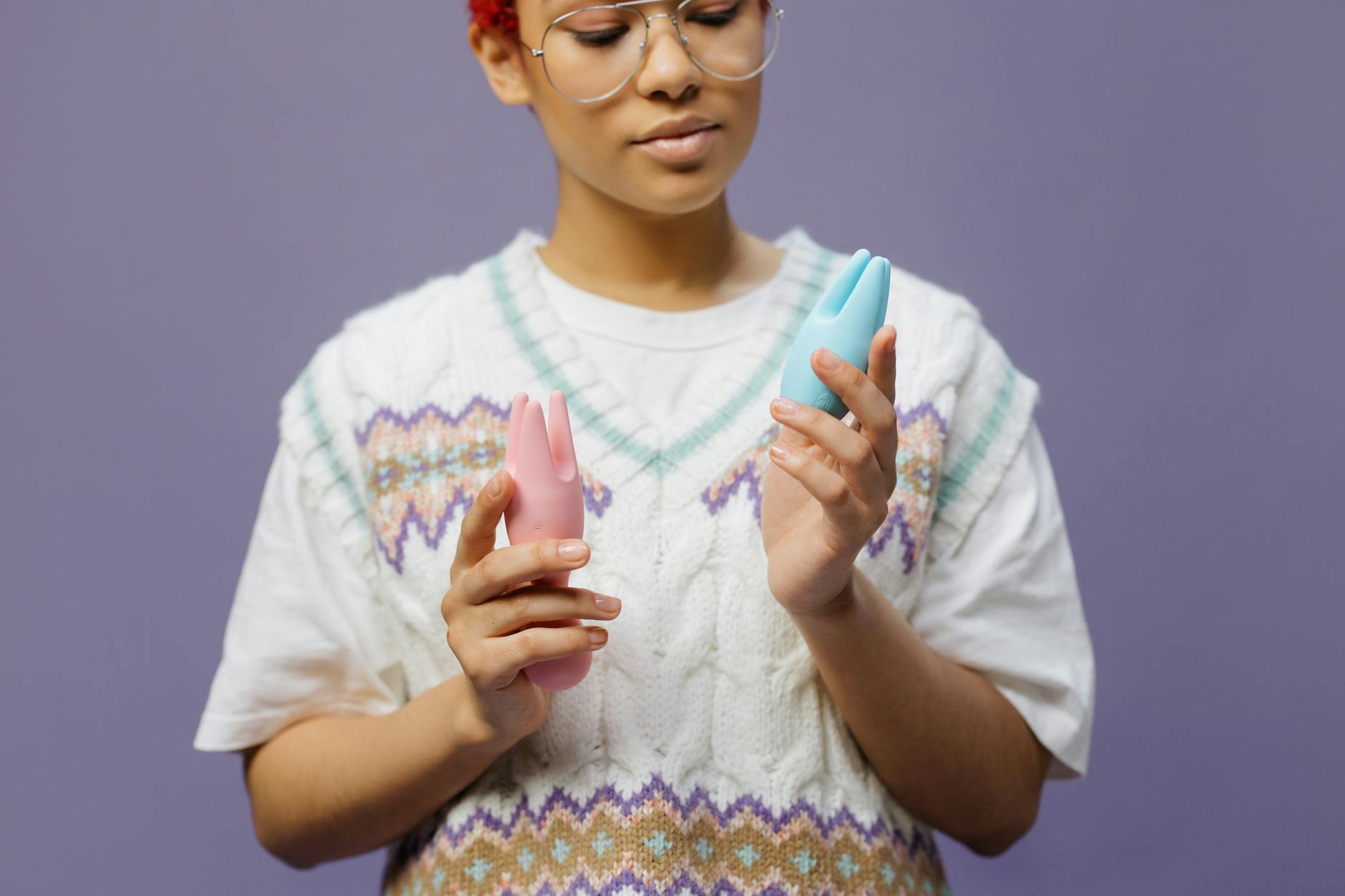
Lemon vibrators, specifically air-suction devices like the Lem clitoral vibrator, can interrupt that spiral. They're not a replacement for partnership or a band-aid for incompatibility. But they do something quietly powerful: they give the higher-desire partner a path to pleasure that doesn't require negotiating with the lower-desire partner's body or emotional state.
Why mismatched libido happens in the first place
It's rarely about attraction. Usually it's one or more of these factors layered on top of each other.
Hormonal cycles. If you have a menstrual cycle, desire fluctuates by at least 30 to 40 percent across the month. Your partner's testosterone levels shift too. You're not on the same clock.
Stress and bandwidth. The person working 60-hour weeks, managing kids, dealing with aging parents. They're not emotionally available for desire, even if they love their partner wildly. It reads as rejection. It feels like rejection. But it's depletion.
Sexual history. Someone who's experienced sexual trauma has a different relationship with initiation and arousal. Someone whose family treated sexuality as shameful has a different baseline comfort level. These don't disappear because you're in a loving relationship.
Medical factors. Medication side effects (antidepressants, blood pressure meds, hormonal contraception), thyroid issues, anemia, sleep deprivation. The lower-desire partner isn't choosing this gap.
Relationship dynamics. Sometimes the lower-desire partner has spent years managing the higher-desire partner's disappointment and has built a protective wall. Sometimes the higher-desire partner has become too aggressive in pursuit, which makes the lower-desire partner feel hunted rather than wanted.
The first move is clarity: figure out which one actually applies to your situation. This is where a therapist can help. But you don't need therapy to start using lemon sexual toys as a bridge.
How lemon clitoral vibrators change the dynamic
When the lower-desire partner isn't interested in sex, the standard solution is "communicate better" and "schedule sex." Both are valid. But they don't address the real friction point: the higher-desire partner still goes without, feels rejected, and begins to resent the lower-desire partner for not being willing.
A lemon vibrator hands agency back to the higher-desire partner. They're not waiting. They're not negotiating. They're meeting their own need. And that shift is enormous for the relationship.
Here's why this actually helps the lower-desire partner too. When they're not the only source of pleasure, they stop feeling like they're failing at their "job." When they're not constantly in the position of saying no, they don't build the resentment and defensiveness that makes genuine intimacy harder. The pressure valve releases.
I've had clients say that after introducing a lemon sucker into solo practice, they actually wanted sex with their partner again. The guilt lifted. The obligation ended. And from that cleaner emotional foundation, genuine desire could rebuild. That's not magical. It's just what happens when you remove the pressure.
Starting the conversation: the three things your partner needs to hear
Don't frame this as "you're not meeting my needs, so I'm buying a toy." That lands like criticism, even if it's accurate.
Instead, start here:
"I love you and I'm not going anywhere." You need to say this first and mean it. The lower-desire partner is often terrified that mismatched libido means the relationship is ending. Hear that fear before you address logistics. "I know this has been uncomfortable for both of us. I'm not looking for someone else or suggesting you're broken. I'm looking for a way for both of us to feel better."
"This is about me meeting my own need, not about you failing me." Make it clear that a lemon clitoral vibrator is your tool for solo pleasure, not a replacement for partnership. When your partner understands that you're not expecting them to want sex when they don't, you're actually protecting the relationship. You're removing the burden of managing your sexual frustration.
"I want to stay connected to you in other ways." This is critical. Using lemon adult toys doesn't mean checking out from physical affection or emotional intimacy. It means creating boundaries around penetrative sex or heavy partnered arousal so that tenderness, kissing, cuddling, and conversation can happen without the pressure of "where is this going." Many lower-desire partners relax around physical touch when they know sex isn't the endgame.
Making this work in practice
The phrase "using a lemon vibrator with mismatched libido" can mean different things. Here are the actual scenarios that work:
Solo use while your partner is aware but not involved. You have a specific time (maybe weekend mornings), you use the device, your partner knows what's happening. No secrecy, no shame. This removes the scarcity model where the only source of pleasure is your partner's willingness.
Your partner is present but not the focus. You're in the same room, they're reading or resting, and you're using the lem on yourself. Some couples find this comforting. You're together but separate. The lower-desire partner doesn't have to perform arousal, and the higher-desire partner gets their need met. This can build intimacy over time because it's low-pressure.
Your partner learns what settings feel good for you. Even if the lower-desire partner isn't interested in having sex right now, they might be comfortable operating the device on you. This is a gateway. It keeps them involved without requiring them to generate desire they don't feel. Some couples describe this as tenderness rather than sex, and that distinction matters psychologically.
The key in all scenarios: no pressure, no expectation that using a device will "fix" the gap, and clear communication about what's happening and why.
When mismatched libido signals something deeper
Not every gap closes just because you introduce pleasure tools. Sometimes the gap signals real incompatibility. Maybe the lower-desire partner has realized they're asexual. Maybe the higher-desire partner has an addiction pattern and no amount of pleasure will satisfy them. Maybe there's deep resentment about the relationship that sex was never actually the problem.
If you're six months into using lemon sexual toys and the rest of your relationship still feels disconnected, that's the sign to get professional help. A couples therapist can assess whether you're simply mismatched on the desire spectrum (often manageable) or whether the gap is a symptom of something larger.
One more thing: if the lower-desire partner is withholding sex as punishment or control, that's a different problem entirely. Lemon vibrators won't fix that. That's a power dynamic issue that needs direct attention.
The long view
Most couples with mismatched libido can build a workable rhythm once the shame lifts. The higher-desire partner feels less rejected when they have a tool that meets their need. The lower-desire partner feels less guilty when they're not the only source of pleasure. That shift creates space for genuine intimacy that doesn't feel obligatory.
Your lemon clitoral vibrator isn't a marriage counselor. But it is a permission slip to stop performing desire you don't feel, and to stop resenting your partner for not wanting what you want, on your timeline. That's when real connection becomes possible.
People also ask
Can using a lemon vibrator together actually improve our relationship?
Not by itself, but it can. If the issue is pure logistics (one person needs release more often), introducing a lemon sucker removes the rejection cycle. If the issue is deeper (anger, resentment, control), you need couples therapy. But as a starting point, absolutely. Many couples find that when the pressure eases, they actually want each other again. Just don't expect it to solve problems you haven't named.
What if my partner feels threatened by a lemon clitoral vibrator?
That's a sign you need the conversation before the device arrives. Most partners feel threatened because they think the toy means you're not attracted to them anymore, or that you're choosing the device over them. Clarify: a lemon vibrator is a tool for your own pleasure, not a rejection of them. If they can't move past that feeling after a clear conversation, couples counseling can help unpack what's actually driving the fear. Often it's rooted in insecurity that has nothing to do with you.
Is it normal to want sex way more often than my partner?
Completely. Libido varies by genetics, stress, hormones, and life stage. One study found that about 35 percent of long-term couples experience significant desire gaps. You're not broken, and neither are they. What matters is whether you can build a system that respects both needs without resentment. A lot of that is communication and tools. Sometimes it's also accepting that this person might not be the right long-term fit. But give the first option a real shot.
Should we schedule sex if we have mismatched libido?
Yes, but carefully. Scheduled sex works best when both partners are actually interested. If you're scheduling it to placate the higher-desire partner, it just becomes another obligation for the lower-desire partner, which deepens resentment. Instead, schedule the conversation. "Let's talk about what would actually work for both of us." That conversation might land on "you use your lemon vibrator Thursday mornings, and we have partnered sex once every other week" or something else entirely. The point is you're designing a system together, not imposing one.
Can lemon sexual toys help if I'm the lower-desire partner?
Absolutely. Some lower-desire partners use devices to generate arousal on their own timeline, which can make them feel more confident about partnered sex. Others use them to understand their own body better, which often increases desire naturally. And some realize that using a toy is actually more satisfying than partnered sex, which is information worth knowing. Either way, you're learning your own pleasure. That's powerful regardless of your partner's role.
How do we reconnect after years of mismatched libido?
Start small. Stop having conversations about desire for now. Instead, focus on non-sexual touch. Hold hands. Kiss. Cuddle without it leading anywhere. Let your nervous system relax around physical contact. From that foundation, introduce pleasure tools if they feel right. A lemon clitoral vibrator can be part of rekindling, but it's not the start. The start is remembering what it felt like to just want to be near each other.
What comes next
Mismatched desire is one of the most common relationship complaints, and one of the most solvable. It requires honesty, boundary-setting, and usually some new tools. A lemon vibrator is one of those tools. But the real work is the conversation. If you're ready to have it, we're here to help. Reach out through our contact page to connect with a specialist who can guide you through this.
Your pleasure matters. Your partner's peace of mind matters too. Both things can be true at the same time.