Let's start with the obvious thing nobody talks about
If you can orgasm, rest for 30 seconds, and be ready to go again, you have what researchers call a short refractory period. For most people assigned female at birth, this is normal. What's not normal is having toys and strategies designed for you.
Most vibrator advice assumes a single orgasm, cleanup, done. But if your body naturally stacks pleasure, you need a completely different approach. Using lemon clitoral vibrators when you have a short refractory period means understanding intensity, pattern switching, and recovery zones. Do this right, and you get sustained pleasure without the numb, tired feeling that kills round two.
How refractory periods actually work (and why yours is short)
After orgasm, your nervous system goes through a brief reset. For some people that's 20 minutes. For others it's 20 seconds. Genetics, age, partner dynamics, stress levels, and whether you're on hormonal birth control all play a role.
The clinical term is "women with short refractory periods," but that misses the point. What matters is that your clitoris stays somewhat receptive. Blood flow doesn't completely drop. Neural sensitivity doesn't shut down entirely. That means you can theoretically keep going.
But here's where most people get stuck: the toys and techniques that worked for your first orgasm will overstimulate you on round two. Your clitoris is temporarily hypersensitive. The exact vibration that felt perfect at 30 seconds in now feels harsh. You either need to lower intensity drastically, switch to a different pattern, or shift where you're applying the stimulation altogether.
Why your standard wand vibrator fails you
Tradition wand vibrators are one-mode machines. High intensity, steady contact, broad stimulation. That works for building to a first orgasm. On your refractory recovery, it's a blunt instrument.
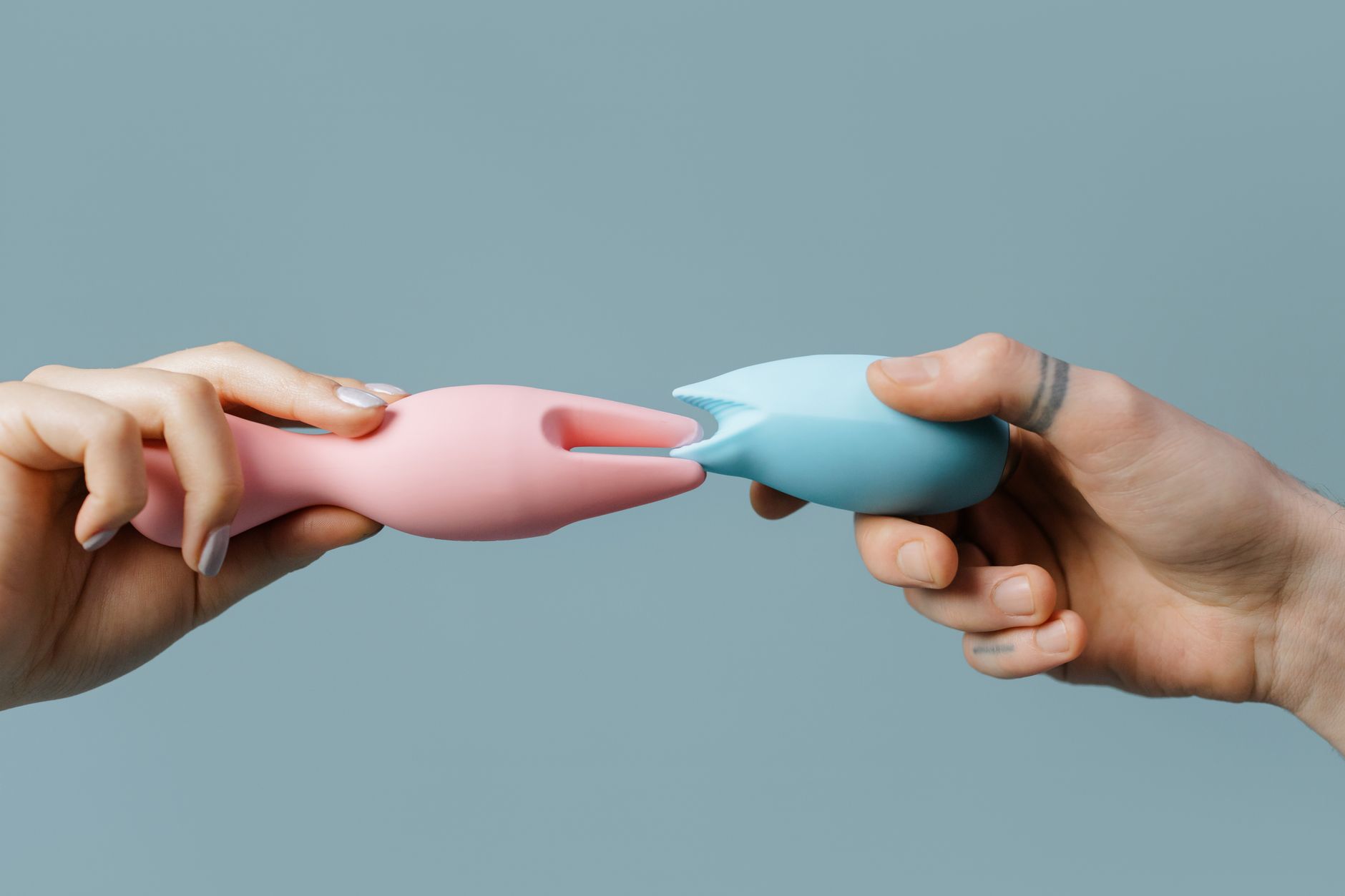
Lemon vibrators, by contrast, use air-suction technology. That changes everything. The stimulation is more diffuse, less direct, and easier to modulate by micro-adjusting your angle and pressure. When you're in that sensitive post-orgasm window, you can hover the Lem slightly off your clitoris and still get sensation without the rawness that kills your momentum.
If you're already using lemon sexual toys, you've probably noticed this. If you're new to them, this might be the single best reason to switch.
The pattern-switching strategy
Lemon clitoral vibrators come with multiple intensity levels and patterns. Most people lock into their favorite and never experiment. When you have a short refractory period, that's your mistake.
Here's the protocol:
Round one: Use whatever pattern got you there fastest. Usually patterns 2-4 on the Lem. Build from low to medium to high as arousal ramps.
Immediately after orgasm: Drop to pattern 1. Lower intensity. The point isn't another orgasm yet. It's keeping arousal present without shock.
30-60 seconds in: Once the intense sensitivity passes, you can dial back up. But don't use the exact same pattern. Switch to a different rhythm. If you used a steady pulse to come, try a wave pattern now. Your nervous system resets slightly when you change input.
Round two build: You'll typically come faster. Your body already knows what's happening. Intensity can match your first round, but you might notice the orgasm feels slightly different. Shorter sometimes. More localized. This is normal and honestly often more intense.
Managing hypersensitivity without losing momentum
The biggest risk with back-to-back orgasms is overworking your clitoris into numbness or pain. This sounds counterintuitive when your refractory period is short. You think, "My body's ready, so I should just go for it." But rushing past the hypersensitive window is how you end a good session early.
Three tactical moves:
1. Angle matters more than intensity. When you're sensitive, a millimeter of pressure difference changes everything. With the Lem, this means experimenting with how you're holding it. Dead-on pressure might be too much. Try approaching from the side. Try very light contact that barely touches. You're looking for the sweet spot between stimulation and rawness.
2. Lubrication helps, even though you're aroused. Post-orgasm, your natural lubrication is still present, but tissues are temporarily more delicate. Adding a water-based lube (always water-based with silicone toys) reduces friction without changing stimulation intensity.
3. Breathing matters. Seriously. When you're sensitized, shallow breathing keeps you tense. A few deep breaths immediately post-orgasm lower your nervous system activation and reset your pain threshold. You'll notice the Lem feels less intense just from breathing differently.
Why solo exploration beats partnered speed-running
If you have a partner, there's pressure to prove your short refractory period works in the moment. You come once and feel obligated to immediately go again because your body can. That's how you end up numb by orgasm two and frustrated.
When you're solo with your lemon vibrator, you have permission to explore. Take actual breaks. Not long ones. Just 90 seconds where you're not using the toy. Use that time to breathe, adjust position, switch which hand is holding the Lem. This micro-spacing makes round two feel fresher and often more intense.
You also get to experiment without performance anxiety. Try the pattern switching I mentioned. Try different pressures. Try moving the Lem around and discovering whether your clitoris prefers consistent contact in round two or something more rhythmic. This data becomes useful when you're with a partner later.
When to actually stop (not every round is worth it)
Having the capacity for multiple orgasms doesn't mean every session needs to be a marathon. Sometimes the first orgasm is genuinely the best. Sometimes your body signals "we're done" even if technically you could go again.
The difference between honoring that signal and pushing through it is the difference between sustained pleasure and burnout. If you come and the Lem suddenly feels agitating instead of interesting, stop. If the second orgasm doesn't arrive within 2-3 minutes, stop. If you're watching the clock instead of feeling your body, stop.
This isn't failure. This is data. Your pleasure isn't measured by volume.
The three-session weekly rhythm that actually works
If you're exploring your short refractory period, don't go all-in with back-to-back sessions daily. Your clitoris needs recovery time even if your nervous system bounces back fast. I recommend experimenting with:
Monday / Wednesday / Friday sessions: 15-25 minutes each, exploring multiple rounds with the Lem at whatever intensity and pattern rhythm feels right that day.
Tuesday / Thursday / Saturday / Sunday: Either off, or very brief solo check-ins (5-10 minutes) where you're not aiming for orgasm. Just sensation exploration.
This rhythm lets you gather real data about your patterns without depleting nerve sensitivity. You'll notice consistency. You'll also notice your short refractory period isn't actually short on days you're stressed. Turns out nervous system state matters more than physiology.
Partnered exploration without pressure
If you want to explore your short refractory period with a partner, have a conversation first. Not during sex. A real talk about what you're curious about and what success looks like.
Here's the risk most couples hit: partner thinks multiple orgasms means they need to stay engaged the whole time. They're trying to "make" your second and third orgasm happen. This creates pressure that actually kills arousal.
The better approach: you use your Lem while your partner is present but not performing. You're not performing for them either. They're watching because it's intimate, not because you're proving something. When you're sensitive post-orgasm, they know not to touch. When you're ready to build again, they might return to kissing or touching non-genital areas while you handle the Lem.
This actually deepens intimacy more than the fantasy version where partners "make" multiple orgasms happen. It's collaborative and honest about who's doing what.
FAQ: Your short refractory period questions answered
Is having a short refractory period rare?
Not at all. Research suggests 40-50% of people with vulvas experience short refractory periods, especially under 40. It becomes slightly less common with age and hormonal changes, but it's completely normal. If you have one, you're not an outlier. You just need toys designed to match your body.
Can I actually increase my number of orgasms, or is it fixed?
Both factors matter. Your baseline refractory period is somewhat genetic. But your actual number of orgasms per session is heavily influenced by stress, sleep, arousal level, and which patterns you're using. Better lemon vibrator technique and pattern switching typically adds 1-2 additional rounds per session for most people. After that, you're hitting diminishing returns.
Will using lemon vibrators too much shorten my refractory period further?
No. Refractory periods don't get significantly shorter with frequent use of any toy. What does happen is your body learns what patterns and intensities work fastest, so sessions feel more efficient. That's different from your nervous system recovering faster. The Lem won't change your physiology, but it might make you more efficient at achieving multiple orgasms because the stimulation style is gentler and more modular.
What if I come once and my partner wants to keep going but I don't?
This is where honesty matters. Short refractory period doesn't obligate you to anything. If your partner is pushing for round two and you're not feeling it, that's a mismatch to address outside the bedroom. You might have different pleasure timelines. That's normal and solvable with communication, not by forcing yourself through more rounds.
Can I use the same lemon vibrator for multiple rounds, or should I switch toys?
You can use the same toy across multiple rounds. The pattern switching I mentioned (changing from steady pulse to wave, for example) is what resets your nervous system, not switching physical toys. That said, some people do enjoy having two toys available and alternating. It's a preference thing, not a necessity.
Does my refractory period change with hormonal birth control?
Yes, frequently. Combined oral contraceptives can lengthen refractory periods slightly. Progestin-only methods often have less effect. Tracking your pleasure patterns across your cycle will show you whether your short refractory period is consistent or changes with hormones. This data is actually valuable for understanding your arousal as a whole.
The real win: pleasure without performance
Having a short refractory period is genuinely a gift. But only if you're exploring it without pressure. Lemon vibrators, specifically the clitoral suction style, let you explore multiple rounds with way more control and less nerve fatigue than traditional wand vibrators.
Start with pattern switching. Get curious about pressure and angle. Give yourself actual breaks between rounds instead of rushing. Learn what your body actually wants instead of what you think it should want.
If you're rebuilding arousal after taking a break, exploring solo pleasure for the first time, or simply want to discover new sensations, you might also find our guide on exploring solo pleasure for the first time useful for a broader foundation. And if sensitivity is a broader challenge, managing reduced sensitivity from frequent use offers additional context.
Your pleasure timeline is yours alone. Make it count.
Sources
King, R., Belova, A., Makris, G. S., & Giuliano, F. (2009). "The female sexual response: review of the phases and related neurobiological mechanisms." Journal of Clinical & Diagnostic Research, 9(7), 8-12.
Basson, R. (2002). "Women's desire, arousal disorders, and their psychiatric correlates: Why does the literature lack evidence?" Climacteric, 5(4), 359-367.
Levin, R. J., & Both, S. (2016). "Orgasm in the menstrual cycle." Menopause International, 16(4), 102-109.