Let's start with what actually shifts
Your body isn't malfunctioning. Hormonal changes. They affect arousal speed, tissue sensitivity, and how quickly pleasure builds. Most people notice this and panic, thinking something's broken. It's not. It's just different.
Estrogen drops, progesterone fluctuates, testosterone dips. These aren't small changes. They rewire how your nervous system responds to touch. Your clitoris has fewer hormone receptors firing. Tissue thins slightly. Blood flow takes longer to ramp up. But here's what matters: the capacity for pleasure is completely intact.
Why lemon vibrators work differently with hormonal shifts
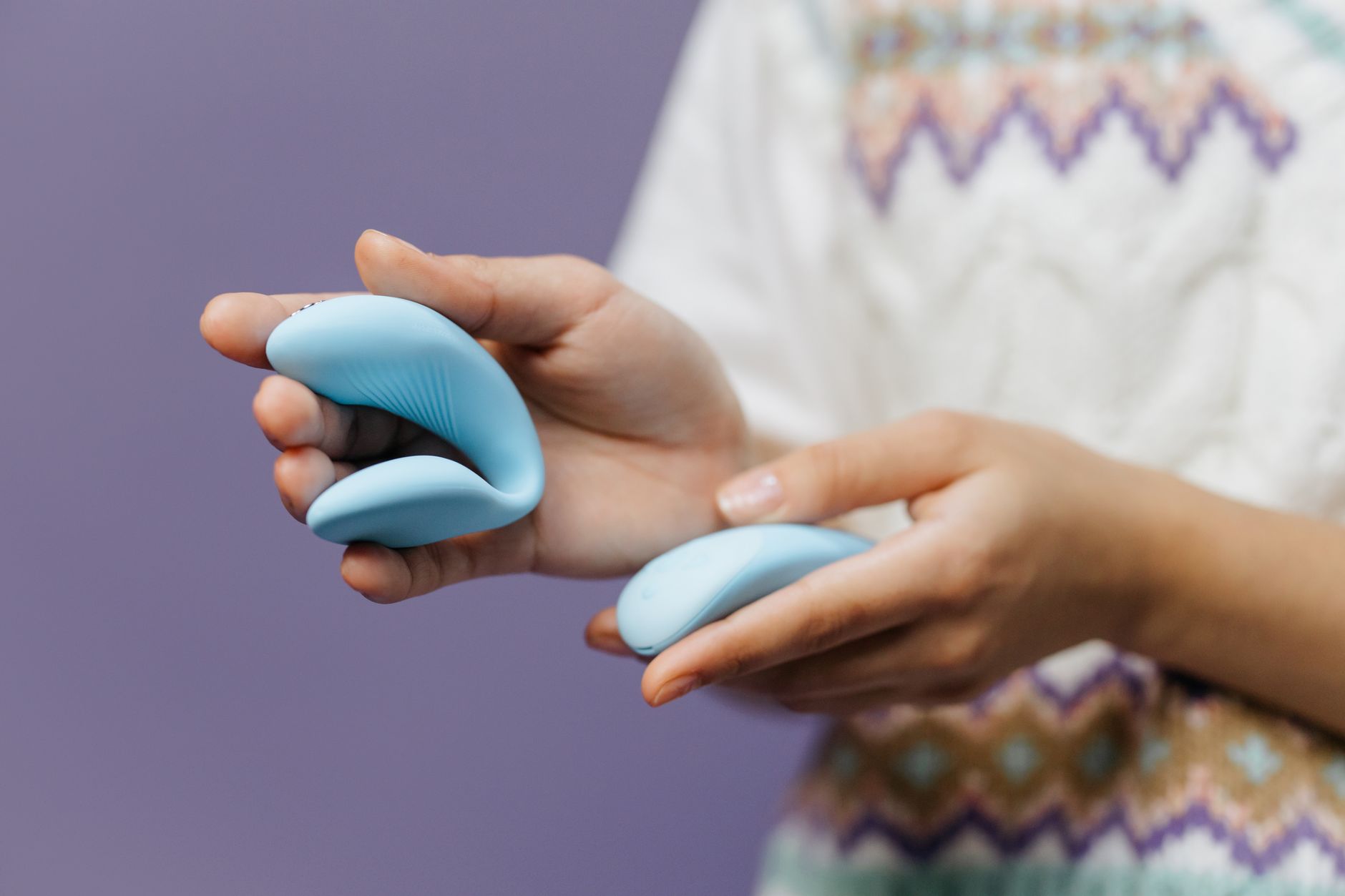
Traditional vibrators rely on constant, high-frequency buzz. They're built for bodies with steady hormone levels and fast arousal ramps. Lemon clitoral vibrators use air-suction stimulation instead. That's relevant because suction doesn't require the same friction intensity, making it gentler on tissue that's become more sensitive or thinner. It's not a workaround. It's actually more efficient for bodies experiencing hormonal changes.
The suction pattern also means you don't need as much warm-up time before intensity pays off. You can start at pattern one, two, or three, and your body will build sensation gradually. No sudden shock. No overshooting. Your arousal gets to set its own pace.
The warm-up window has changed
This is the biggest shift people miss. Pre-hormonal-change, your body might have been ready in five or ten minutes. Now it might be fifteen to twenty-five. That's not slow. That's normal for your body right now. Budget the time like you budget anything else important.
Start with low-intensity suction patterns and longer foreplay before you introduce the lemon vibrator. Let your clitoris wake up naturally. Touch yourself, breathe, let your mind settle in. When you pick up the vibrator, begin at the lowest setting. Your tissue will respond better, and you'll avoid the frustration of chasing sensitivity with settings that were calibrated for a different body.
Lubrication becomes a real player
Hormonal shifts often mean less natural lubrication. This isn't a shame thing. It's a logistics thing. You need to factor it in, the same way you'd factor in a longer warm-up.
Use water-based lubricant generously. Not a dab. A real amount. Lemon vibrators work best when there's enough slip. Lubrication also protects thinner tissue and makes the suction action feel more consistent. Apply it before you start, and don't hesitate to add more as you go. Reapplication isn't a failure. It's maintenance.
Your nervous system is part of this too
Hormonal changes affect neurotransmitters. Serotonin drops. Dopamine shifts. Your nervous system becomes more reactive to stress and less easily soothed. This means noise, interruptions, and mental clutter will derail arousal faster than they used to.
Create actual conditions for pleasure. That sounds basic, but it matters more now. A locked door. A time when you're not half-listening for someone. A phone on silent. Your brain isn't wired to flip into pleasure mode when the rest of you is on alert. Hormonal shifts made this worse, not invented it.
Orgasm quality often improves
Here's the plot twist nobody talks about. Yes, it takes longer to build. No, that doesn't mean orgasms get worse. In fact, people I work with often report that their most intense orgasms happen after hormonal changes. The reason is rhythm.
When arousal builds slowly, you have time to notice what actually works. You're not rushing. Your clitoris gets prolonged stimulation at sustainable intensities. With a lemon clitoral vibrator, you can ride one pattern for five, ten, fifteen minutes without fatigue. Your body builds sensation in layers. That layered approach often leads to longer, deeper orgasms.
Managing sensitivity changes mid-pleasure
Sometimes your clitoris feels very responsive. Sometimes the same intensity feels too much. This isn't inconsistency. It's your nervous system's normal variation, amplified by hormonal shifts.
Use the pattern dial as your speedometer, not a fixed destination. Start low. If you need more, go up. If intensity suddenly feels sharp or uncomfortable instead of pleasurable, step down immediately. You can go back up. The lemon vibrator's range lets you adjust in real time without stopping. That flexibility is huge when your body's response is variable.
The refractory period is different now
You might notice you can come again faster than you could before, or you might need more time between orgasms. Hormonal changes shift this completely. Neither direction is better. Both are normal.
If you're someone who can chain orgasms, great. Keep the vibrator engaged and let it happen. If you need time to reset, take it. A five or ten minute break isn't a loss. Your body is processing pleasure. That matters more than speed.
When to layer in partner participation
If you have a partner, this hormonal shift is a chance to renegotiate. Your body's new timeline isn't a problem for them to fix. It's information they need. Tell them directly: "My arousal takes longer now. I need about twenty minutes of foreplay before I'm actually ready. That's not a flaw. That's what I need."
A partner who gets this can create conditions. Longer dates. Earlier starts. Different rituals. Using a lemon clitoral vibrator during partnered sex works too. Some partners love adding the vibrator during penetration or foreplay. It's collaborative, not competitive.
Tracking what's actually working
Hormonal shifts are gradual. Your response changes month to month, sometimes week to week. What worked last month might feel different today. That's maddening until you accept it as just how it is right now.
Keep a simple note on your phone. Pattern two feels best today. Needed thirty minutes warm-up. Orgasm felt deeper than last time. Not a medical log. Just little observations so you stop guessing and start knowing what your body actually wants.
The bigger picture
Hormonal changes shift arousal, not desire. They slow down response, not capacity. Working with a lemon vibrator means you're working with your body's new rhythm, not fighting against it. That collaboration is where pleasure comes back. Not the same as before, because your body isn't the same. Better sometimes, different always, completely valid either way.
People also ask
How long does it take for pleasure to return after hormonal shifts?
There's no fixed timeline. Some people adapt in weeks. Others spend months learning their new body. The return isn't linear either. You might have a really responsive day, then a flat day, then something in between. What matters is consistency of effort and patience with your body's process. Most people report significant improvement within two to three months of intentional exploration and adjustment.
Can lemon vibrators help with sensitivity that feels numb?
Yes, but patience matters. Air-suction stimulation tends to wake up sensation faster than friction-based vibrators because it works differently on nerve endings. Start with lower patterns and longer sessions. Your sensitivity often returns gradually. Some people use their lemon clitoral vibrator several times a week specifically to encourage neural responsiveness. That's a legitimate use.
Do I need more lubrication with lemon vibrators than other toys?
Actually, suction-based stimulation can work with less lubrication than traditional vibrators because it doesn't rely on friction. But hormonal shifts usually mean you're producing less natural lubrication, so the real answer is: use what makes your body feel good. Generous lubrication almost never hurts. It protects tissue and makes the experience more comfortable.
Will my orgasms ever feel the same as they did before hormonal changes?
Not exactly the same, because your body has changed. But many people report their orgasms feel stronger, longer, or more intense after hormonal shifts, once they adapt. Different doesn't mean worse. Your nervous system is just processing pleasure on a different timeline. That often means richer sensation, not diminished sensation.
How do I know if what I'm experiencing is normal hormonal change versus something that needs medical attention?
Normal hormonal shifts: slower arousal, less lubrication, changes in orgasm intensity or timing. These respond to adjustment, lubrication, and patience. See a doctor if: pain accompanies arousal or orgasm, you have zero desire and it's distressing, or vaginal tissue looks inflamed or torn. A good healthcare provider trained in hormonal health can quickly tell you whether you're looking at standard changes or something that needs treatment.
Can I use lemon vibrators if I'm on hormone therapy?
Absolutely. In fact, many people on hormone therapy use lemon vibrators as part of exploring their returning or shifting pleasure response. Your sensitivity might change as hormones stabilize, so you'll want to stay flexible with intensity settings. The gradual adjustment of air-suction stimulation often works really well alongside hormone therapy as your body recalibrates.