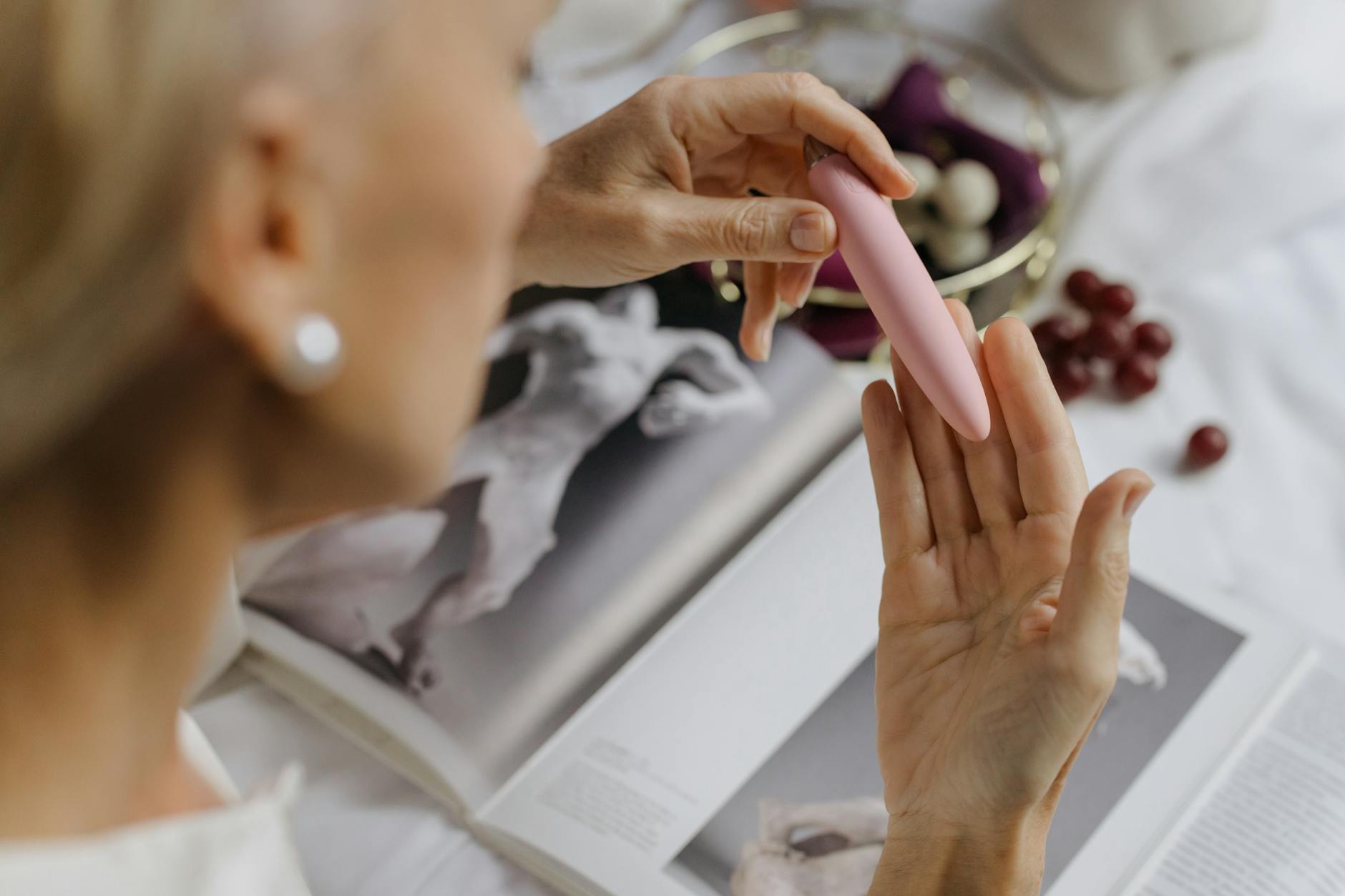
Here's the thing about trauma and pleasure
When someone you trusted hurt you, your body learned something: this isn't safe. That survival response is intelligent. It protected you. Now you're trying to reclaim pleasure, and your nervous system isn't convinced yet that it's okay to relax. That's not a character flaw. That's neurochemistry working exactly as designed.
Rebounding into pleasure after relationship trauma isn't about willpower or finding the right vibrator. It's about rebuilding a conversation with your body where you're in charge again.
Why traditional pleasure tools often backfire
Most vibrators are designed for speed. They escalate. They pressure you to reach a finish line. When you're healing from trauma, that pressure replays the exact dynamic that broke your trust in the first place. Someone (or something) pushing for an outcome you're not sure you want. Sound familiar?
Clitoral suction toys like Lemon Vibe's lemon vibrators work differently. They don't vibrate in a way that builds toward obligation. Instead, they use gentle air-suction to create waves of pressure that you control entirely. You set the pace. You decide when to speed up or slow down. The toy responds to your terms, not the other way around.
That distinction matters hugely when you're learning to trust your body again.
Start smaller than you think you should
One of the most common mistakes I see is jumping straight to a full session. Your nervous system isn't ready for that. Instead, think of this as a series of five-minute check-ins where you're not trying to orgasm. You're just observing.
On day one, hold a lemon vibrator in your hands. Not turned on. Just become familiar with the weight, the silicone, the shape. Notice what your body does. Does your jaw tighten? Does your breathing shift? That information is gold. You're learning what your nervous system is telling you.
Day two, you might turn it on at the lowest setting and hold it near (not on) your inner thigh or hip. Nowhere near your genitals yet. The goal is sensation without expectation. Your brain is learning: this can be safe.
The power of "I can stop whenever I want"
Control is the through-line of trauma recovery. When you've been violated, control gets stolen. Reclaiming it is foundational to healing. A lemon vibrator's multiple pressure levels aren't just a feature. They're a way of practicing agency.
Set a rule for yourself: you can change patterns, lower the intensity, or stop completely at any moment, for any reason, with zero explanation needed. Practice this rule. Actually use it, even when you don't strictly need to. This trains your nervous system that the outcome isn't predetermined. You're in charge.
Many people find that just knowing they can stop is enough to finally let themselves go.
When to involve a partner (if you have one)
If you're rebuilding intimacy with someone, transparency matters more than performance. Before using a lemon vibrator together, name what you're doing: "I'm relearning what feels good. I'm not trying to prove anything or reach any specific outcome. I'm just reconnecting with myself."
A partner who respects healing will understand that this isn't about their inadequacy. It's about your nervous system recalibrating. If they push back, that's useful information about whether they're safe to heal around.
Some people find it easier to explore solo first. That's equally valid. There's no timeline where you owe anyone access to your pleasure while you're still rebuilding.
Breathing patterns that calm your system
Your vagus nerve (the core of your parasympathetic nervous system) responds to longer exhales. When you're holding a lemon vibrator and your nervous system starts to tighten, pause the toy and try this: inhale for four counts, exhale for six. Do this five or six times. You'll feel your body relax.
This isn't mystical. It's physiology. A longer exhale signals to your brain that the threat has passed. When your system is calm, pleasure is possible. When it's tense, you're fighting your own neurobiology.
Many of my clients keep a breathing rhythm going throughout their solo sessions, checking in with their body's signals instead of chasing sensation.
Grief is part of the process
You might find yourself crying during or after using a lemon vibrator. That's not a sign it's not working. It's often the opposite. You're accessing sensation in a way that feels safe for the first time in a while, and grief is right there with pleasure. You're mourning what was taken, and simultaneously reclaiming what's yours.
Don't rush past this. Sit with it. Your body is processing something important.
When to get professional support
If you're having flashbacks, panic responses, or complete numbness even with a toy designed to feel gentle, you need a trauma-informed therapist. A vibrator isn't a replacement for therapy. It's a tool you use alongside professional support. A therapist can help you understand why your specific nervous system is responding the way it is and design a recovery path that fits your history.
Likewise, if you're using pleasure as avoidance (numbing out instead of processing), that's worth naming with someone trained to help.
The goal isn't an orgasm
This is the part that changes everything. If you're trying to use a lemon vibrator to achieve an orgasm, you're back in the performance paradigm that hurt you in the first place. The goal is reconnection. It's noticing that your body can feel good on your terms. It's practicing saying no and yes without guilt.
Orgasms often come later, after weeks or months of safe exploration. And that's exactly the right timing. You're building trust first. Pleasure follows.
FAQ
What if I feel nothing when using a lemon vibrator?
Numbness after trauma is common and protective. Your nervous system turned down sensation to survive. Turning it back up takes time, patience, and consistency. Stay with it. Try different patterns on the lemon vibrator. Notice micro-sensations. Did your skin prickle slightly? Did your breathing change? These are tiny signs your system is waking up. Pressure yourself less, not more.
Can I use a lemon vibrator if I'm still in a relationship with the person who hurt me?
That depends on whether the relationship is actively safe and whether your partner acknowledges the harm. If you're still processing trauma while living with your source of trauma, healing becomes much harder. A trauma therapist can help you assess safety. If you decide to stay, solo exploration of a lemon vibrator can be a way to reclaim a private sense of self. If you're building toward leaving, it can be an act of self-advocacy.
How long does it take to feel pleasure again?
This varies wildly. Some people reconnect with pleasure in weeks. Others take months or years. There's no "right" timeline. What matters is consistency and patience with yourself. Using a lemon vibrator once a week for six weeks will shift your nervous system's relationship to pleasure more than intensive exploration followed by months of avoidance. Gentle, regular practice beats sporadic intensity.
Is it normal to feel guilty about using a vibrator while healing from trauma?
Very normal. Trauma often comes wrapped in shame. You may have internalized messages that pleasure is shameful, weak, or selfish. None of that is true. Reclaiming pleasure is an act of defiance against trauma. It says: my body belongs to me. You get to have that.
Should I tell my therapist I'm using a lemon vibrator?
Yes, if you have one. A trauma-informed therapist isn't there to judge. They need to know what tools you're using for reconnection so they can support that process. They might also notice patterns in how you approach the experience that could inform your broader healing work.
What's the difference between healing and using a vibrator as avoidance?
Healing involves noticing your nervous system's responses and staying curious about them. Avoidance involves using pleasure to numb out and not process the feelings coming up. Check in with yourself: are you exploring gently and observing what you notice, or are you trying to escape the body you're in? Both feel similar in the moment, but the long-term outcome is different. A therapist can help you tell the difference.
The real work starts before the toy
A lemon vibrator is a tool, not a cure. It helps when paired with the internal work of rebuilding trust in yourself. That means noticing your body's signals throughout the day. It means practicing saying no to small things so your nervous system learns that boundaries work. It means choosing contexts and partners where you genuinely feel safe.
Pleasure follows safety. Always. The vibrator just gives your nervous system a chance to practice what safety feels like. The rest is you, showing up for yourself with the patience you'd show a friend in the same place.
You deserve to feel good in your body again. Not eventually. Not after you've "healed enough." Now, in whatever small way your nervous system allows. That's where the work starts.