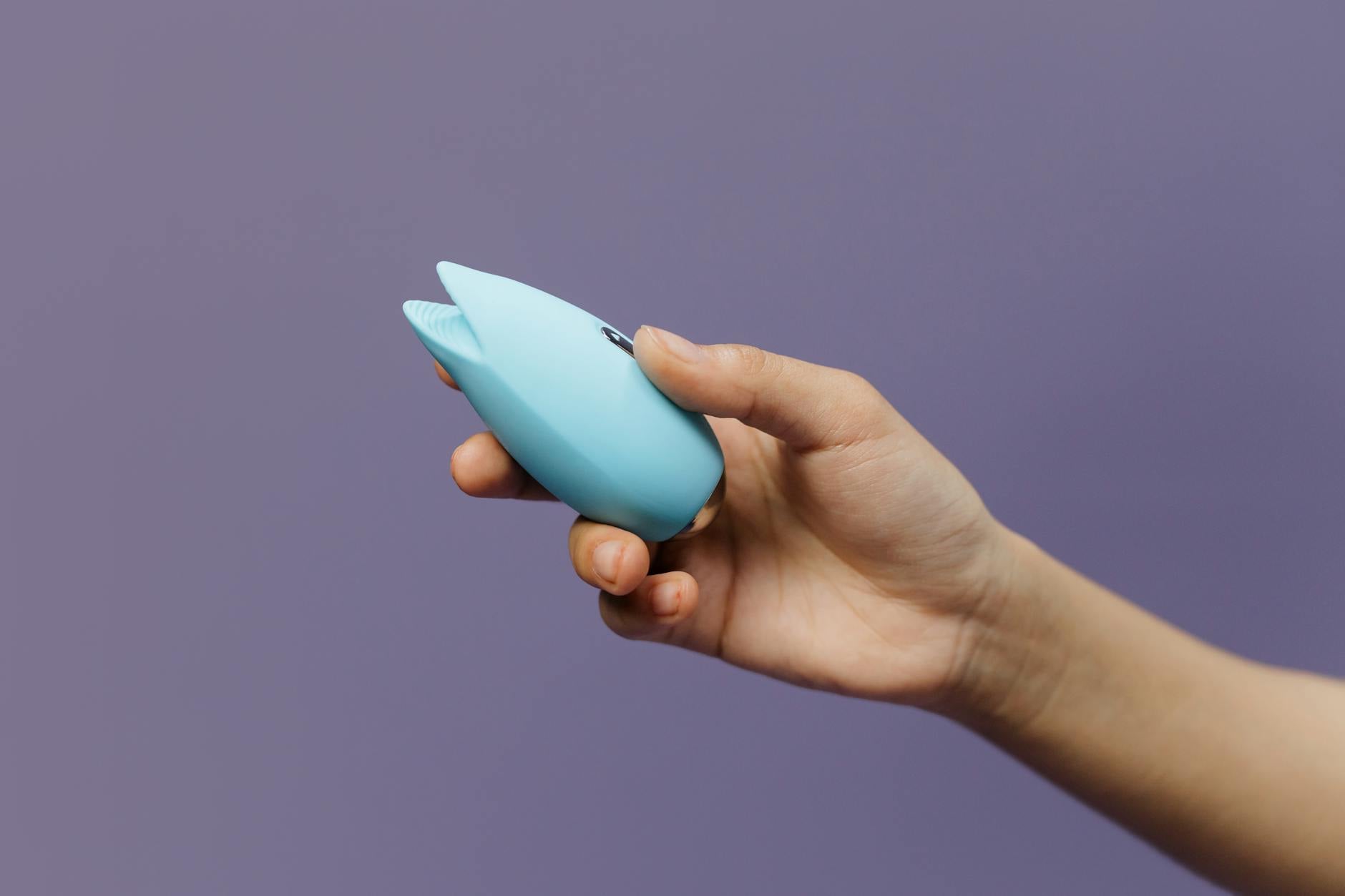
Let's start with the uncomfortable truth
Desire mismatch is one of the most common relationship complaints I hear in my practice. And unlike infidelity or broken trust, it feels almost impossible to talk about without someone ending up hurt. One partner feels rejected. The other feels guilty or pressured. A clitoral vibrator gets blamed for being "too much" or "not intimate enough." But the real issue is almost never the toy.
It's the conversation that hasn't happened yet.
Why low libido in one partner doesn't mean low desire in the other
Here's what most couples get wrong: they assume libido is fixed. "My partner just doesn't want sex as much as I do." Full stop. But libido isn't a trait you're born with. It's responsive, contextual, and wildly influenced by stress, sleep, medication, relationship satisfaction, and whether someone feels seen in the relationship.
I've worked with plenty of couples where the lower-desire partner had no idea their partner was struggling. They thought things were fine. Meanwhile, the higher-desire partner had been quietly resenting them for months. That gap grows fast, and resentment becomes the real libido killer.
A lemon vibrator doesn't fix that gap. But it can become a tool for reconnection if you use it right, because it shifts the conversation away from "you don't want me" and toward "how do we both get what we need."
The permission problem: why your partner might resist
Let's say you bring it up: "I'm thinking about using a vibrator during sex." Their response might be:
- "Are you not satisfied with me?" (Translation: Am I not enough?)
- "That feels weird." (Translation: I don't know my role anymore.)
- "Isn't that cheating?" (Translation: I wasn't prepared for this conversation.)
- Silence. (Translation: All of the above.)
None of these responses is about the toy. They're all about fear. Fear of inadequacy. Fear of change. Fear that introducing a vibrator means the relationship is broken.
This is why the framing matters more than the purchase. You're not saying, "Your libido is too low, so I need this." You're saying, "I want more of you. And I want us both to enjoy this together."
How lemon vibrators specifically help with desire gaps
Clitoral vibrators like those from Lemon Vibe use air-suction technology instead of traditional vibration. That matters for your situation because it changes what the toy represents in the room.
A wand vibrator can feel like a replacement. It's doing the work. Your partner might feel sidelined. An air-suction device like a lemon clitoral vibrator works differently. It's fast, it's intense, and it often requires your partner to stay engaged. You can't ignore what's happening. You can watch. You can touch. You can adjust. Your partner becomes part of the experience instead of a witness to it.
Many of my clients report that their partners who were initially resistant became curious once they realized the tool didn't remove them from the equation. It actually made their role clearer.
Starting the conversation without triggering defensiveness
Timing is everything. Not during sex. Not after a rejection. Not during an argument about frequency. Pick a calm moment, maybe over tea, maybe while walking. Somewhere neutral.
Start with the truth about you, not about them. "I've been thinking about my own pleasure, and I want to explore something new." Not "You never want sex," but "I want to feel more connected to my own body." Not "You don't turn me on," but "I want to see if there's a way for us both to feel more satisfied."
Then name the actual fear. "I know this might feel weird at first. And I want you to know that I'm not trying to replace you or tell you that anything is wrong. I'm trying to find a way that works better for both of us."
Then ask. "Would you be open to trying something together?"
Listen to what they say. If they say no, don't push. Let that sit. Bring it up again in a few weeks. Sometimes people need time to adjust to an idea.
How to actually use a lemon vibrator when desire is mismatched
If they agree to try, here's the practical part.
First session: keep it low pressure. You use it on yourself while they're present. Not during intercourse. Just naked together, you exploring what feels good while they watch. This does two things. It shows them what you like. And it lets them off the hook from performing. They're not expected to do anything except be there.
Second session: they can touch you while you use it. Not instead of, but alongside. This reintegrates them into the experience.
Third session: they might want to hold it. Or they might ask you to use it during other types of sex. Follow their lead. There's no script.
The thing about desire mismatch is that it often softens once one partner stops feeling ashamed about having different needs. A lemon clitoral vibrator becomes less about "I'm not satisfied" and more about "here's something that works for my body." That distinction removes so much shame.
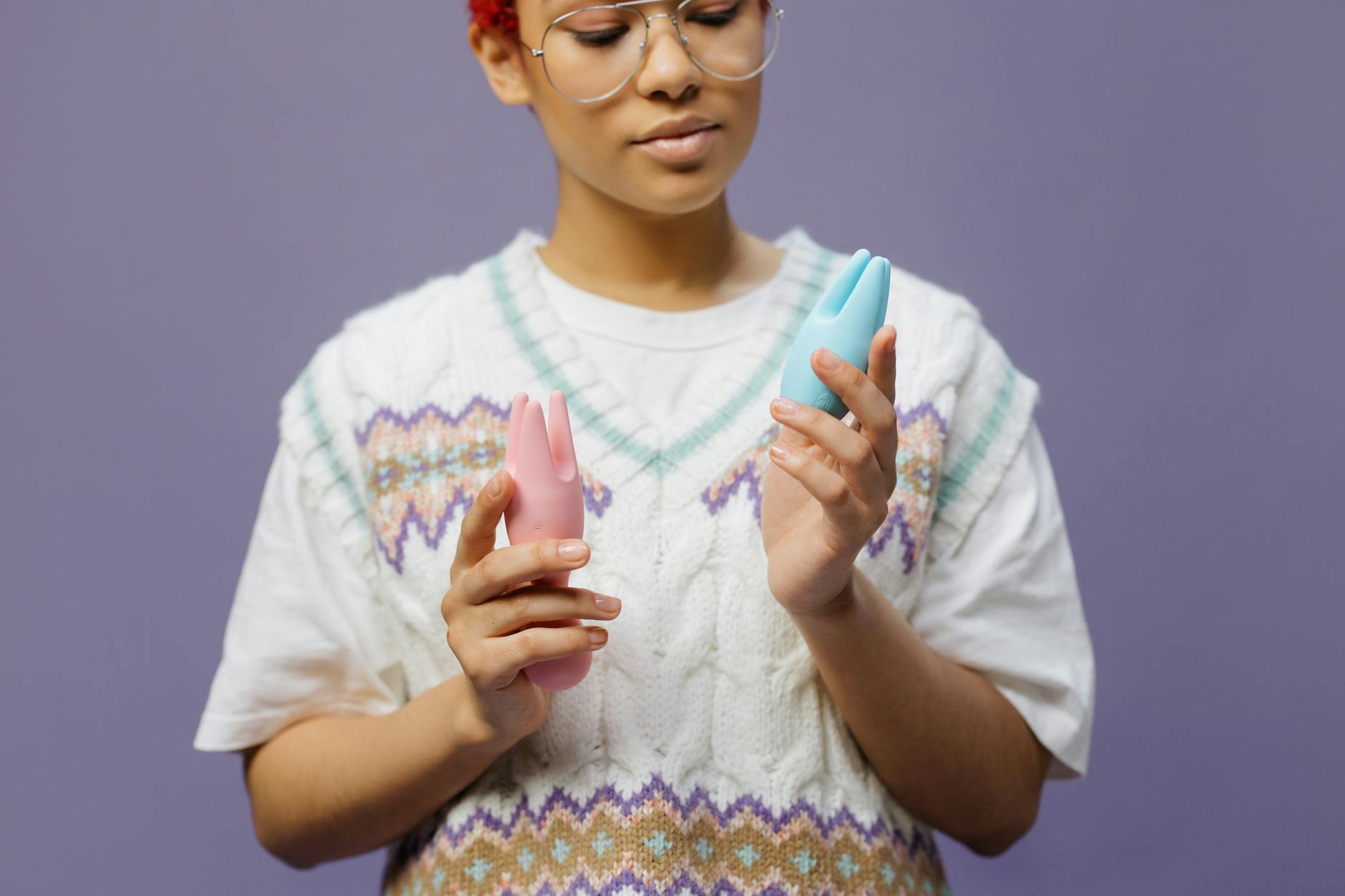
Photo by cottonbro studio on Pexels
The emotional architecture underneath desire mismatch
Here's what I've learned after two decades of working with couples: low libido is often a symptom, not a cause. It's the body saying "something isn't working." Maybe it's depression. Maybe it's unresolved conflict. Maybe it's medication. Maybe it's exhaustion. Maybe it's that they don't feel valued or desired themselves, so wanting sex feels impossible.
A vibrator can help with the physical pleasure part. But it can't fix the emotional disconnection. That requires actual conversation. Not about the toy. About what's underneath the low libido.
Sometimes that conversation needs a therapist. That's not weakness. That's wisdom.
When to stop waiting and start asking for what you need
There's a line between patience and self-abandonment. If your partner refuses to engage with your sexual needs at all, refuses even to discuss it, refuses to acknowledge that your pleasure matters. That's a different problem. That's a communication breakdown that suggests bigger relational issues.
In those cases, a vibrator isn't the solution. Couples therapy is.
But if your partner is open, if they're willing to talk and try, even awkwardly. If they care about your satisfaction but struggle with their own desire. Then you have something to work with. And lemon vibrators, used thoughtfully, can become part of that solution.
People also ask
Can using a vibrator make my partner feel inadequate?
It can, if the conversation happens wrong or not at all. If you introduce a vibrator without context, your partner might hear "you're not enough." But if you frame it as self-exploration and mutual pleasure, most partners relax. The key is involving them early and often. Ask their opinions. Let them hold it. Ask what they're feeling. Shame grows in silence.
What if my partner says no to a vibrator but still has low libido?
That's okay. A vibrator isn't the only tool. But the low libido conversation still needs to happen. Something is driving their lower desire. Is it stress? Depression? Medication? Relationship issues? Health problems? A mismatch in affection styles? A therapist trained in sex therapy can help you both understand what's actually going on underneath the symptom.
Does using a clitoral vibrator mean I don't love my partner?
Absolutely not. Pleasure is independent of love. You can love someone deeply and still have sexual needs they can't or don't meet. Using a toy doesn't diminish your love. It actually protects your relationship by letting you meet your own needs instead of resenting your partner for not meeting them.
How often should we use a lemon vibrator if my partner's libido is low?
There's no schedule. If your partner has low libido, the goal isn't to increase frequency. The goal is to make whatever sex you do have more satisfying for both of you. So use it when it feels right, not as a workaround for the bigger issue. If you're using a vibrator every time because your partner won't engage without it, that's a sign the communication needs more work.
Will a vibrator fix our desire mismatch?
No. A lemon vibrator is a tool, not a therapist. It can make sex more pleasurable. It can shift the dynamic if your partner feels less needed. But if the real issue is resentment, or unresolved conflict, or depression, or medication side effects, or fundamental differences in how you each experience desire. Those need actual attention. The vibrator is just support while you do that work.
What if I want to use a vibrator solo because my partner won't meet my needs?
That's completely valid. Your pleasure matters, with or without a partner. But solo use is different from partnered use. If the gap between your desires is so wide that you're only getting satisfaction alone, that's worth bringing to a therapist. Not because anything is wrong with you, but because you deserve to feel desired in your relationship too.
The real work is the conversation
A lemon clitoral vibrator can help bridge a desire gap. But only if you're willing to have the uncomfortable conversation first. Only if you can name what's actually happening without shame. Only if you're both willing to explore solutions together.
The vibrator is just the opening. The real work is showing your partner that their pleasure matters to you, and that your pleasure matters too. That's the intimacy that changes things.