
Let's talk about slow arousal
Your body takes time to wake up. Not because something's wrong with it. Not because you're not interested. Your nervous system is simply wired to build pleasure gradually, and that's actually more common than the Hollywood version where someone looks at their partner and instantly floods with desire.
Slow arousal affects a lot of people. And most of them have spent years thinking they're broken, when really they just haven't found the right tools yet.
Why some bodies build arousal differently
Arousal is a physical and neurological process. Your parasympathetic nervous system needs to shift into a relaxed, responsive state before your body can fully dial into sensation. For some people, that shift happens in minutes. For others, it takes 15 to 40 minutes of consistent, gentle stimulation.
Multiple things can slow your arousal clock:
Stress and hypervigilance keep your nervous system in protection mode. If you're running on cortisol all day, your body doesn't automatically flip to pleasure mode just because you've decided it's time. Anxiety, past trauma, medication side effects, depression, and low dopamine can all extend the timeline. Even just being distracted or mentally elsewhere slows things down. Your brain is your biggest sexual organ, and if it's elsewhere, your body won't follow.
Hormonal shifts do it too. Lower testosterone or estrogen can make arousal feel dampened. And some people are simply built with a slower arousal curve. Genetics, personality, and neurology all play a role. That's not a flaw to fix. It's a fact to work with.
The problem with touch that doesn't match your pace
When you have a slow arousal response, conventional stimulation often feels underwhelming. A partner's hand touching you gently might register as pleasant but distant. You're waiting for heat that doesn't come. So you either fake it, push yourself to feel something that isn't there, or give up and tell yourself you're not in the mood.
What's actually happening is a mismatch between the intensity of stimulation and what your nervous system needs to cross the threshold from calm to aroused.
This is where lemon clitoral vibrators change the game. Devices like the Lemon sucker provide sustained, precisely targeted stimulation that your slower nervous system can actually feel building. Instead of waiting 30 minutes for touch to register, you feel the vibration immediately. It's not that you're broken. It's that you needed the right kind of input.
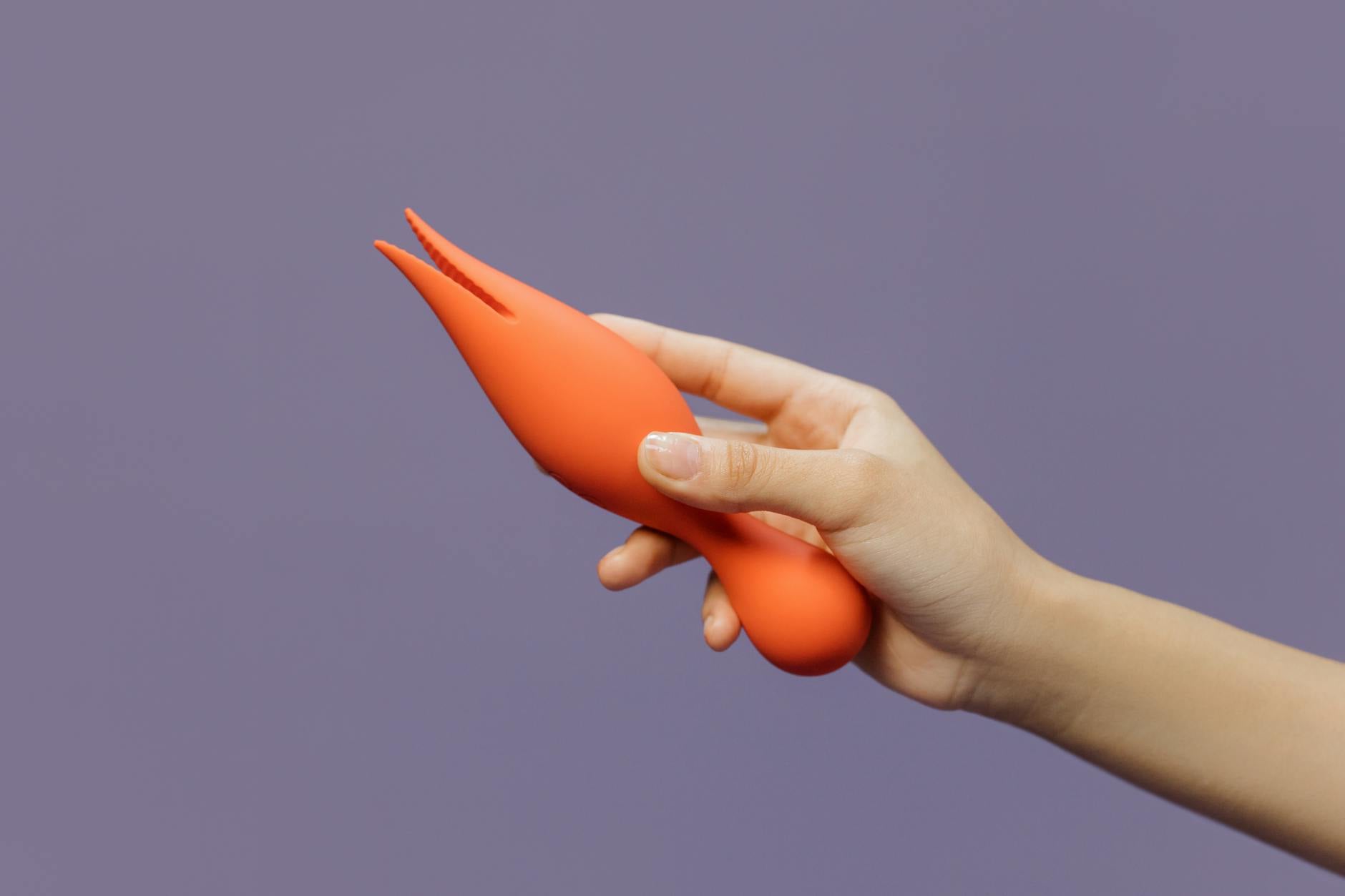
Photo by cottonbro studio on Pexels
How lemon vibrators work for slow-to-arouse bodies
Clitoral vibrators, especially suction-style devices, use patterns that your nervous system can track and respond to. They deliver consistent stimulation without the variable pressure of a hand, which means your body isn't constantly recalibrating. That consistency is key for slow arousal.
Start at the lowest setting. If you have slow arousal, you don't need maximum intensity from the start. What you need is steady, trackable sensation. Many people with slow arousal actually prefer patterns 2 or 3 on a lemon clitoral vibrator because they can feel the rhythm building without overwhelming the system.
Build the session deliberately. Instead of aiming for quick arousal, give yourself 15 to 25 minutes with the vibrator, focusing on what sensations you notice rather than whether you're "there" yet. Your nervous system responds to attention and time, not pressure.
Combine it with breathing and mental space. Slow arousal often needs conscious relaxation to work. Breathe deeply. Let yourself think about what actually turns you on rather than what you think you should want. Many people find that arousal kicks in once they've spent enough time with consistent vibration and given their brain permission to relax.
Using lemon vibrators with a partner when you're slow to arouse
If you have a partner, the conversation matters more than the device. Tell them: "My arousal timeline isn't a reflection of how I feel about you. It's how my body works. Here's what helps." Then show them. Let them hold the vibrator with you. Let them notice what patterns your body responds to.
Many partners appreciate this. It removes the pressure for them to manually create arousal over 30 minutes and gives both of you a tool that actually works. Plus, for some people, the combination of a partner's presence plus a vibrator's consistent stimulation is the sweet spot. You get human connection and the reliable intensity your nervous system needs.
The Lemon sucker works particularly well here because both of you can observe which patterns create the most visible response. That feedback loop actually strengthens connection.
Troubleshooting: When the vibrator doesn't immediately solve it
If you start using a clitoral vibrator and arousal still feels slow, you're not doing it wrong. You're probably addressing one piece of a bigger picture.
Check your nervous system state first. If you're stressed, activated, or anxious, no vibrator will suddenly unlock arousal. You might need 10 minutes of deep breathing, a bath, or simply switching to a different time when you're less dysregulated. Your parasympathetic nervous system has to show up first.
Assess what's in your head. Distraction kills slow arousal faster than anything else. If you're thinking about work, your to-do list, or how long this is taking, your brain won't cooperate with your body. This isn't laziness. It's neurology. If you need help quieting your mind, meditation apps, music, or even erotica that matches your actual desires can help.
Consider whether you need more context. Some slow-arousal bodies need mental or emotional setup before physical stimulation works. That might mean reading something that turns you on, watching something that resonates, or spending time with a partner before anything physical happens. That's not high-maintenance. That's how your arousal system is designed.
If arousal remains completely inaccessible despite low stress, relaxation, and consistent use of lemon vibrators, it's worth talking to a doctor. Medication, hormonal imbalances, or other medical factors might need attention.
The neuroscience of slow arousal plus consistent vibration
Your clitoris has around 8,000 nerve endings. When you apply vibration to that tissue, you're creating a signal that travels directly to your spinal cord and brain. That signal doesn't require "willingness" to work. Your nervous system processes it immediately.
The reason slow arousal feels better with vibration is rhythm. Your nervous system loves predictable patterns. A vibrator delivers the same frequency repeatedly. Your brain learns to anticipate it. That anticipation is part of arousal. After 10 to 15 minutes of consistent vibration, many people with slow arousal report that sensation suddenly feels amplified. That's not magic. That's your nervous system's processing threshold being met.
This is also why vibrator intensity matters less than consistency. People with slow arousal often do better with medium intensity used for longer rather than high intensity used briefly. You're not trying to overwhelm the system. You're giving it sustained input it can build on.
When slow arousal is actually a sign to slow down everything else
Here's a thing I notice with clients who have slow arousal: they often live fast everywhere else. Busy schedules, stress, constant input, rushing.
Sometimes slow arousal is your body's way of saying you need more recovery time in general. If that resonates, the vibrator isn't the only tool. Time off, better sleep, less caffeine, actual rest.when your body is asking you to slow down, pleasure becomes one way you practice listening.
You don't have to fix slow arousal into fast arousal. You can build a whole sexual life around your actual timeline and discover that it's actually richer. When you stop fighting your pace and start working with it, arousal becomes deeper, more sustainable, and honestly more reliable.
FAQ
How long should I use a lemon vibrator before I feel aroused?
Give it 10 to 20 minutes of continuous use at a comfortable intensity. If nothing's happening at the 20-minute mark, that's not failure. You might need to shift your environment, stress level, or mental state before the vibrator can do its job. Don't time yourself. Notice what sensations you feel instead.
Is slow arousal the same as low libido?
Not necessarily. Low libido means you rarely want sex. Slow arousal means you want it, but your body takes a while to respond. The difference matters because slow arousal usually responds really well to the right tools and timing, while low libido points to something deeper like hormones, relationship issues, or depression that needs different support.
Can I use lemon vibrators if I'm on antidepressants or anxiety medication?
Absolutely. Many people on SSRIs or anti-anxiety meds have slow arousal as a side effect. Clitoral vibrators are one of the most effective ways to counteract that because they bypass the neurotransmitter delays and provide direct physical stimulation. If you're struggling with arousal on medication, try the vibrator first before changing your prescription.
What if my partner gets frustrated with how long arousal takes?
That's a relationship conversation, not a you problem. You might say: "My arousal timeline is part of how my body works. I'm committed to exploring it, and I need you to meet me where I am rather than push me to be faster." If they can't do that, that's information. A good partner sees slow arousal as an invitation to be more present, not as a personal rejection.
Do I always need a vibrator, or can I eventually arouse without one?
Both can be true. Some people find that once they use a vibrator regularly and their body learns what arousal feels like, they can sometimes build arousal without it. Others find the vibrator is their reliable tool forever, and that's completely fine. Your goal isn't to achieve arousal without help. Your goal is to access pleasure. However you get there is the right way.
What if I use a lemon clitoral vibrator and still feel numb?
Numbing often points to deeper nervous system dysregulation or dissociation. Before the vibrator, you might need grounding work. Feel your feet on the floor. Notice textures. Breathe slowly. Some people need their partner's voice or touch alongside the vibrator. Others need to address trauma or anxiety with a therapist first. The vibrator is a tool, but it works best when your nervous system is somewhat available to feel.