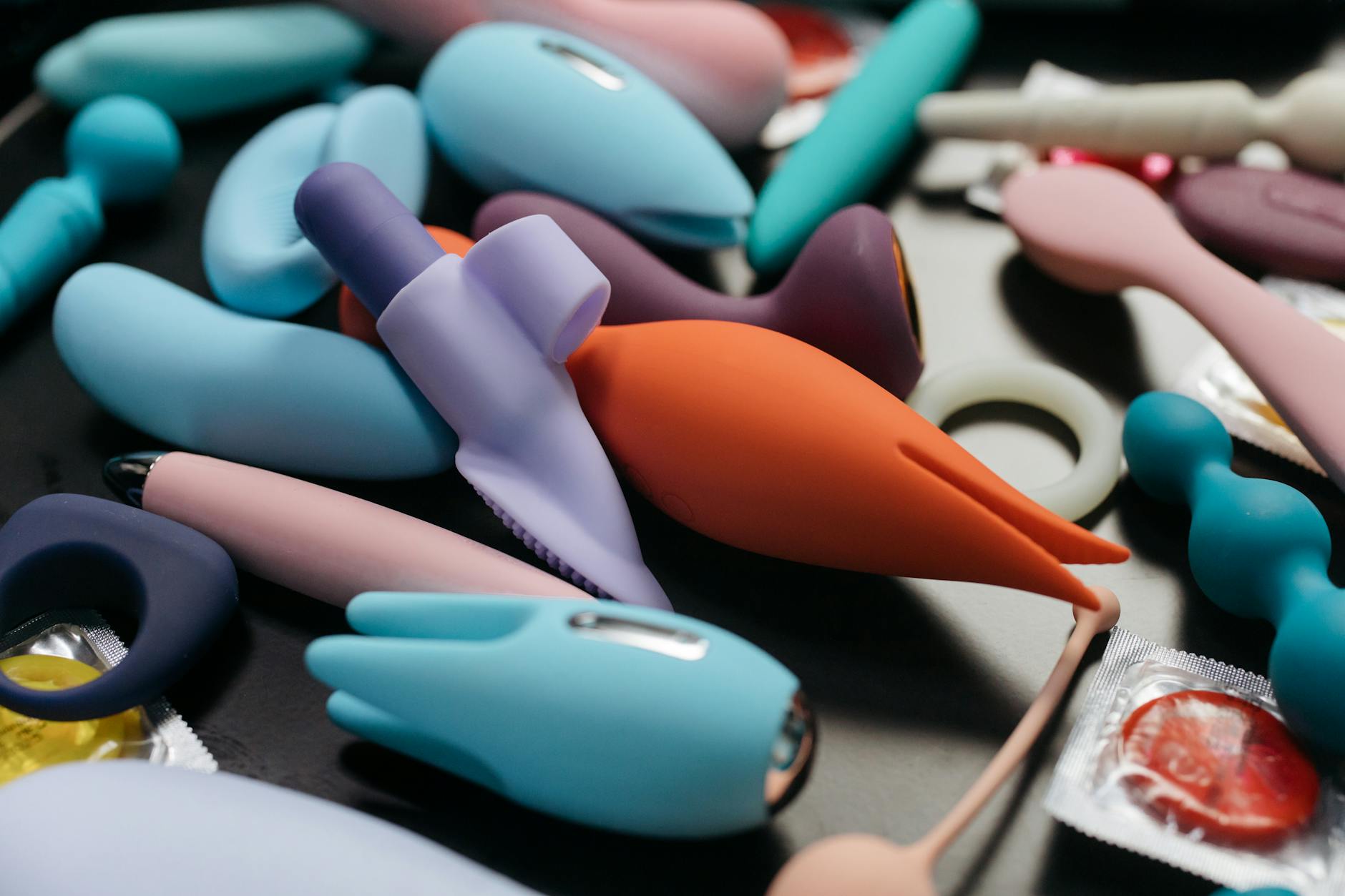
The gap between wanting to and actually doing it
Let's be real. You've decided you deserve pleasure. You've read the articles, questioned the shame, maybe even had a conversation with someone you trust about why you've avoided your body for so long. That's huge. But then you buy a lemon vibrator or a clitoral vibrator and suddenly you're alone in your room with this small, beautiful device and your brain is screaming at you.
Shame doesn't leave because you logically know it's unfounded. It leaves because you practice being kind to yourself, over and over, until the old voice gets quieter. Using lemon vibrators or other clitoral toys after a lifetime of avoidance is less about technique and more about permission. Here's how to give it to yourself.
Where the resistance actually lives
When someone says "I'm nervous about using vibrators," the resistance rarely lives in the logistics. It's not about the settings or the angle. It's about the voice that says you shouldn't want this, that wanting this makes you selfish, that pleasure is indulgent, that your body is something to manage rather than enjoy. That voice didn't come from nowhere. It came from years of messages. Sometimes explicit. Often just ambient.
The good news: you can work with that voice while you're learning to use adult toys. You don't have to wait for it to disappear. Start small. Set a time when you have privacy and no interruptions. Tell yourself out loud if it helps: "My pleasure matters. This is for me." It sounds simple. It's actually radical.
Building a solo practice that feels safe
Think of your first few sessions with lemon vibrators not as trying to reach an outcome, but as getting to know your own nervous system. Start with the device off. Hold it. Feel its weight. Get used to what it looks like on your body. This isn't wasted time. This is your brain learning that this object is safe.
When you turn it on, start at the lowest setting. Most clitoral vibrators, including the Lem and other lemon sexual toys, have multiple intensity levels for exactly this reason. You're not trying to prove anything. You're exploring. Stay there for as long as it feels good. Five minutes. Fifteen minutes. There's no timer.
Most people who grew up with shame around pleasure have never actually experienced what arousal feels like without panic attached to it. Your body might surprise you. You might not feel much at first. That's normal. Your nervous system is learning to let you have something just for you. That takes time.
The permission structure you actually need
Here's what works: create a ritual that signals to your brain "this time is mine." Light a candle. Put your phone in another room. Lock the door. Wear something that feels good. The ritual isn't frivolous. It's telling your nervous system that this is intentional, boundaried, and safe. Your brain needs that before it can relax enough to feel pleasure.
Many people find that starting with a longer foreplay session before touching the vibrator helps. Some people prefer to use lemon vibrators only. Some prefer to combine them with other forms of stimulation. There's no correct pathway. The pathway that's correct is the one where you're giving yourself full permission to explore without judgment.
If you find yourself reaching for your vibrator at the end of a long day when you're exhausted, that's information. Maybe you're looking for stress relief instead of pleasure. Both are valid. But knowing which one you're reaching for changes what you'll do next. One deserves more presence. The other might be better served by a bath and sleep.
When to bring in communication
If you're partnered, talking to your partner about your solo practice doesn't mean you have to invite them in. Many people find their pleasure solo first. They build confidence. Then, if they want to, they bring their partner along. Sometimes solo stays solo. Both are fine.
If you do want to eventually use lemon clitoral vibrators with a partner, you'll find that having explored alone first changes everything. You know what you like. You can ask for it. You know what the device feels like and what it doesn't. You can guide your partner instead of hoping they guess. That shifts the entire dynamic from performance to collaboration. This is the part that actually changes your sex life.
Addressing the voice in real time
Say you're using your vibrator and shame comes up. "This is weird." "I shouldn't want this." "What if someone finds out." These thoughts are visitors. You don't have to argue with them. You don't have to believe them. You can acknowledge them and then return your attention to your body. "That thought is here. And I'm still here, doing something I want to do."
This is called defusion in therapy. You create space between the thought and your action. The thought can exist and you can keep going anyway. Most people find that the volume of those thoughts decreases over time, simply because you keep showing up for yourself despite them.
One more thing: if using a clitoral vibrator brings up big emotions like crying or sudden sadness, that's actually common. Pleasure and grief can live in the same space. Your body has been protected for a long time. When you start touching yourself with kindness, sometimes you touch that protected place. That's okay. You're not broken. You're healing.
The practical setup that matters
Fresh batteries or a full charge. A water-based lubricant nearby, even if you think you won't need it. Privacy that you don't have to fight for. A comfortable surface. These things matter because they remove friction. The more you can remove the logistical resistance, the more mental space you have for actual pleasure.
If you're worried about noise, most modern clitoral vibrators including lemon vibrators and the Lem are relatively quiet. Position yourself away from where people sleep. Use headphones if you want to pair your exploration with music or audio. Some people find that having something to focus on besides their own nervousness helps. Whatever works.
Many people also find that building a regular practice helps more than sporadic sessions. Once or twice a week is more useful than promising yourself daily use and then feeling guilty when life gets busy. Consistency builds trust with yourself.
When to reach out for actual support
If you're finding that shame or anxiety is so strong that you can't move past it even with your own support, a therapist who specializes in sexual health can be genuinely helpful. Especially one trained in sex-positive practices. They can help you trace where the resistance comes from and give you tools to work with it. That's what they're trained for. There's no shame in that either.
You deserve to know what pleasure feels like in your own body. Not because anyone tells you to want it. But because it's yours. Using lemon adult toys or any clitoral vibrator is part of coming home to yourself. It takes time. It takes permission. It takes patience. And it's absolutely worth it.
People also ask
Is it normal to feel awkward using a vibrator for the first time?
Completely normal. You're doing something you've been told not to do for years. Your nervous system is learning that it's actually safe and okay. The awkwardness usually softens within a few sessions once you realize nothing bad is happening. The device isn't judging you. The walls aren't listening. You're just alone with your body, which is exactly what this is supposed to be.
How long should I wait before using a lemon vibrator with my partner?
There's no timeline. Some people want to explore solo for weeks. Some for months. Some prefer to always keep that part separate. The only right answer is the one that feels true for you. When you do decide to share, a simple conversation works best. "I've been exploring solo and I like it. I'd like to try this together if you're interested." You're not asking permission. You're inviting collaboration.
What if I don't feel anything when using a clitoral vibrator?
That doesn't mean you're broken. It might mean you need more time, a different vibrator, a different setting, or more foreplay first. It might also mean you need to quiet the performance pressure in your head. Pleasure isn't a requirement. Connection with your own body is the goal. Some people find that sensation builds over repeated sessions. Others find that using lem vibrators in combination with other stimulation works better. Pay attention to what your body is actually telling you, not what you think it should feel.
Can I use lemon sexual toys if I have trauma around my body?
Yes, and it might take more patience and support. Working with a trauma-informed therapist alongside self-exploration can be really helpful. You're retraining your nervous system to feel safe in your own skin. That's deep work and it deserves proper support. A good therapist can help you pace that work so you're challenging yourself without overwhelming your system.
Should I use lubricant with a lemon vibrator?
It depends on your body, but most people find that lubrication makes the experience more comfortable and pleasurable. Water-based lube is safe with silicone toys and doesn't damage the vibrator. It also reduces friction, which means you can explore longer without irritation. Even if you think you don't need it, having it nearby is a kindness to yourself.
How do I talk to my doctor if I have questions about vibrator use?
Most modern doctors won't bat an eye. You can say, "I'm starting to explore solo pleasure and I have some questions about safety." If your doctor is judgmental or dismissive, that's information about them, not you. You deserve a healthcare provider who supports your sexual health as part of your overall health. Look for sex-positive language on clinic websites or ask for a recommendation. They exist.
The real work starts when you're alone
Using lemon vibrators with confidence after years of shame isn't about the vibrator. It's about deciding that your pleasure is worth the discomfort of doing something different. It's about showing up for yourself even when the voice says not to. It's about learning, slowly, that you're allowed to want things and to have them.
If you're feeling stuck or want more support on this journey, reach out. We're here to talk about any part of this.