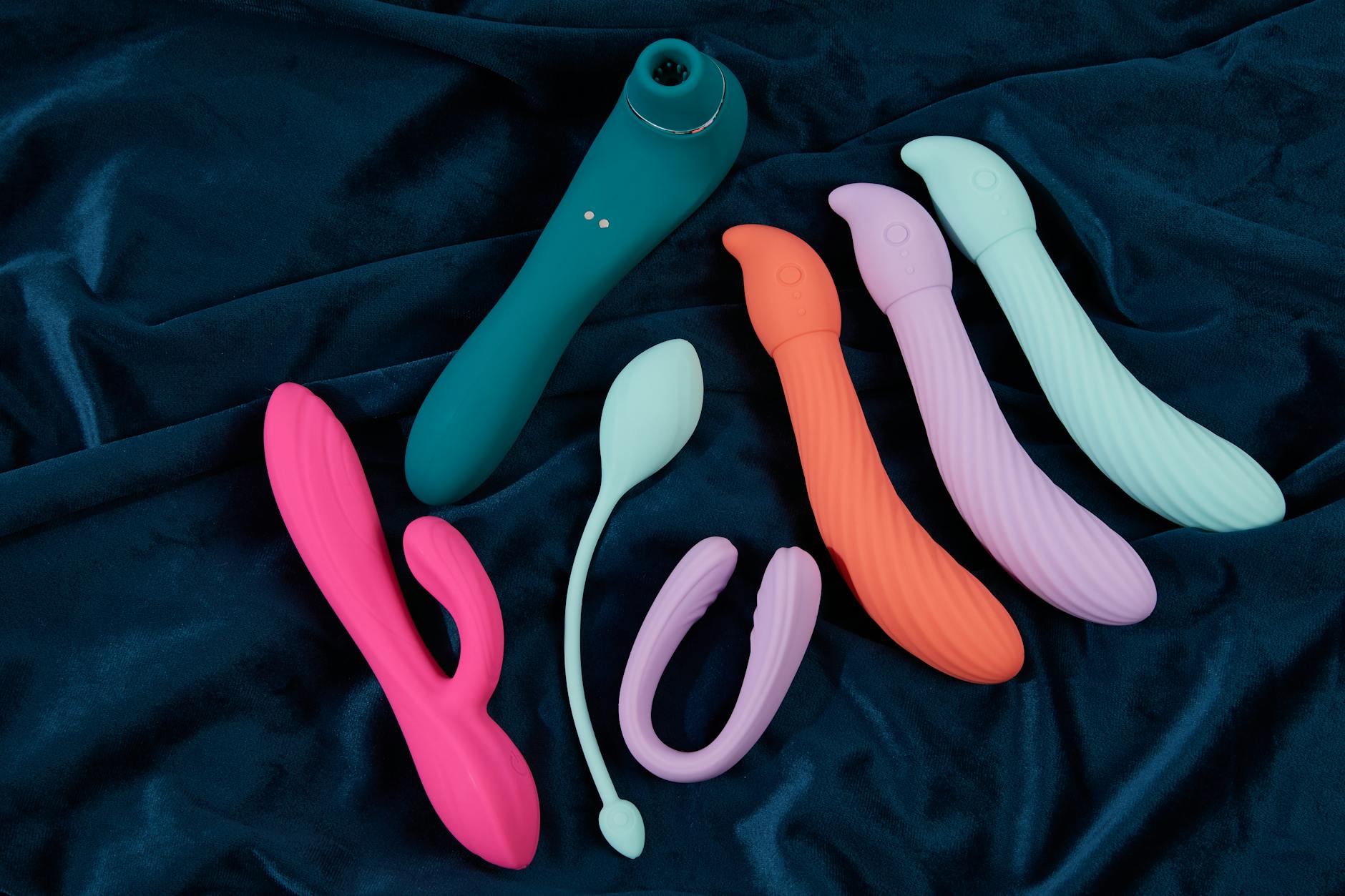
Here's the thing about sensitive clits
Not all clitoral vibrators work the same way. If you've tried traditional vibrators and found them too intense, too numbing, or just plain uncomfortable, the issue probably isn't you. It's the tool. Most vibrators rely on direct vibration. Lemon clitoral vibrators use air-suction technology instead. For sensitive anatomy, that difference is everything.
Let me explain what's actually happening inside your body when you use these two different approaches, and why the gentler option often delivers better results.
The problem with traditional vibration on sensitive tissue
When you press a standard vibrator against your clitoris, the vibration travels directly into the nerves through friction and pressure. This works great for some people. For others, it feels numb after a minute. Or it starts out pleasant and turns irritating. Or it's immediately too intense.
The reason: the clitoris has roughly 8,000 nerve endings, but they're not distributed evenly. Some people have denser nerve clusters near the surface. Others have deeper sensitivity. If your nerves sit close to the skin, high-frequency vibration can feel like overstimulation. The sensation maxes out quickly instead of building.
Worse, traditional vibration can reduce sensation over time. Your nervous system adapts to constant input and turns down the volume. This is why people sometimes need to increase the intensity to feel the same effect. It's not a personal failure. It's neurology.
That's where lemon vibrators differ. They don't vibrate. They pulse.
How air-suction technology actually works
Lemon clitoral vibrators use a different mechanism entirely. Instead of vibration, they create gentle waves of suction and release around the clitoris. Rather than repetitive vibration moving back and forth, you're getting pulses of pressure that stimulate the entire clitoral complex, not just the tip.
This matters because the clitoris is larger than you think. The external part you can see is only the tip. The clitoral body and legs extend several inches into your body. Traditional vibrators mostly stimulate that visible tip. Air-suction toys create a sensation that ripples through a larger area.
For sensitive clits, this approach has real advantages. The sensation is gentler on the surface but still reaches deeper nerve bundles. You're not forcing intense vibration onto sensitive tissue. You're creating a broader wave of stimulation that feels less sharp and more... encompassing.
Many people with sensitivity describe the experience as less clinical and more like a partner's touch. Which makes sense. A mouth creates suction and pulse, not vibration.
Why sensitivity often gets worse with age
Clitoral sensitivity changes over time, especially for people in their 40s and beyond. This isn't always hormonal, though menopause definitely plays a role. Pelvic floor tension, stress, and sustained use of high-intensity vibrators all reduce sensitivity.
If you've spent years using powerful vibrators, your nervous system adapts. You need more intensity to feel the same effect. Then you reach for stronger toys. Eventually you find yourself chasing sensation in a way that doesn't feel good anymore.
Starting with a gentler tool like a lemon sucker reverses some of this. You're retraining your nervous system to respond to subtle input. Over weeks, many people report that their sensitivity comes back. That might sound like a long time, but it beats the alternative.
The complete guide to lemon vibrators covers this in more depth if you want the full technical picture.
What "sensitive" actually means
Sensitivity isn't one thing. It breaks down into several different experiences.
Raw pain or irritation. If vibration on your clitoris causes physical pain, you might have vulvodynia or another underlying condition worth checking with a pelvic health specialist. Lemon vibrators can help, but professional evaluation is worth the investment first.
Numbness or deadness. You feel something, but it doesn't build. You can vibrate for 20 minutes and still feel flat. This usually means traditional vibration isn't a good match for your nervous system. Air-suction toys often fix this instantly.
Overstimulation. You get sensation, but it becomes too intense too fast. You need the intensity turned down, but then it's not enough. This is the most common form of sensitivity, and lemon clitoral vibrators handle it beautifully because the pulse is naturally gentler.
Inconsistency. Some days vibration feels amazing. Other days identical stimulation feels wrong. This often signals a mismatch between your body's current state and the tool. Gentler, more adaptable stimulation tends to work across more days.
Figure out which one describes your experience. Your solution might be as simple as switching approaches.
The nerve-to-sensation pipeline
Your clitoris sends signals to your brain through two main nerve pathways. The pudendal nerve carries sensation from the glans (the tip). The pelvic nerve carries sensation from deeper structures. Most vibrators emphasize the pudendal pathway because it's accessible. This is fine if that pathway isn't already overwhelmed.
If your pudendal nerve is hypersensitive, concentrating stimulation there exhausts it. Air-suction technology distributes stimulus differently. You're lighting up both pathways more evenly, which feels more balanced and sustainable.
This is also why some people find that oral sex feels better than vibration. A mouth naturally activates both pathways at once. Lemon vibrators recreate that distributed activation without requiring a partner.
Pattern matters more than power
Here's something most people don't realize: the pattern of stimulation matters more than the intensity level.
Two vibrators at the same power setting can feel completely different if one pulses and one vibrates continuously. Your nervous system responds to change. Constant input gets boring. Varying patterns stay engaging.
Lemon clitoral vibrators come with preset patterns. A good one cycles through maybe 8-10 different pulse patterns. You can explore which ones actually work for you rather than just pushing one intensity setting higher and higher. This is why sensitivity often improves after switching to pattern-based toys. You're working with your nervous system instead of against it.
If you've only ever used single-speed vibrators, trying pattern variation might feel revelatory. And you get to do it at a gentle level of intensity. No compromise.
Real talk about numbness and adaptation
If you can't orgasm without intense vibration, that numbness didn't happen overnight. It built up over months or years of conditioning your nervous system to need that intensity. The good news: you can reverse it. The bad news: it takes patience.
Here's the protocol that actually works. Switch to a gentler tool, like a quality lemon vibrator. Use it at the lowest setting that still produces sensation. When you feel close, dial it down instead of up. Yes, this is counterintuitive. The goal is to retrain your nervous system to respond to subtlety.
Over 2-4 weeks, many people feel a noticeable shift. The gentle sensation starts feeling more satisfying. You need less intensity to build arousal. Orgasms, when they come, feel deeper instead of just surface-level.
This doesn't work for everyone. Some people genuinely need stronger sensation. But for people with numbness from overuse, it works remarkably often. It's worth trying before assuming you're permanently stuck.
The one tool most sensitive people are missing
Lubrication. Not because your body is broken, but because lube changes how sensation transfers. A dry clitoris and a well-lubricated one respond differently to stimulation.
Water-based lube reduces friction slightly, which paradoxically makes suction sensation sharper and more defined. Counterintuitive, but true. If you've been using vibrators without lube, adding it might solve half your sensitivity issues on its own.
For lemon suckers specifically, a tiny bit of lube around the rim of the cup helps the seal and makes the sensation feel less sharp. Not slippery, just smooth.
This is free to experiment with and costs nothing. It should be your first move before anything else.
Building your personal sensitivity map
Sensitivity also varies by location. Your clitoris might be hypersensitive at the tip but welcome deeper stimulation around the body. The left side might be different from the right. Your arousal level changes what feels good.
This is why a toy with multiple patterns and intensity levels gives you control that a single-speed vibrator can't match. You're not committed to one approach. You can map your own sensations.
Take a few sessions to explore. Try each pattern at each intensity level. Note what feels good and what doesn't. Over a week, a picture emerges of what actually works for your body. This is more useful than any guide because it's specifically you.
Lemon vibrators designed for sensitive tissue are built for this kind of exploration. They're not trying to override your sensitivity. They're trying to meet it.
FAQ: Questions people ask about sensitive clits and lemon vibrators
Why do lemon vibrators feel less intense than regular vibrators?
Lemon clitoral vibrators use air-suction pulses instead of continuous vibration. This distributes stimulation over a broader area rather than concentrating it directly on the clitoral tip. The sensation spreads out, so any single point receives less focused intensity. This is why people often describe them as gentler even at higher settings.
Can I build sensitivity back after years of numb vibration?
Yes, though it takes consistency. Switch to a gentler tool at the lowest setting that produces sensation. Use it regularly for 2-4 weeks. Resist the urge to increase intensity. Over this period, many people notice their sensitivity improves noticeably. Your nervous system adapts and starts responding to subtler input. The process usually works better if you're not simultaneously using intense vibrators, so giving yourself a "sensitivity reset period" helps.
Is numbness from vibrators permanent?
It can be, but usually it's reversible. If the numbness appeared gradually over months of use, it can often fade over weeks of using gentler tools. If it appeared suddenly, that's worth checking with a pelvic health specialist to rule out other causes. Assuming it's adaptation-based numbness, patience and gentleness work better than aggressive intervention.
What's the difference between a lemon vibrator and a lemon sucker?
They're the same thing. "Lemon sucker" and "lemon vibrator" are both common names for air-suction clitoral toys. The term "lemon" comes from the fruit-inspired shape. Some brands market theirs as suckers, others as vibrators, though technically they're both. The technology is identical: gentle air-suction pulses rather than traditional vibration.
Should I use lube with a lemon clitoral vibrator?
Yes. A small amount of water-based lube around the rim of the cup creates a better seal, which makes the sensation feel smoother and more defined. It also prevents any micro-suction discomfort. You don't need much. Just enough so the cup glides smoothly rather than catching on skin.
How long does it take to feel better sensation with a lemon vibrator?
Most people feel a noticeable difference within days if they're switching from intense vibrators. Over 2-4 weeks of regular use, sensitivity continues to improve. Full recovery of sensation that was lost to years of intense vibration can take 6-8 weeks, but the majority of improvement happens quickly. The longer you stay consistent with gentler stimulation, the better your nervous system adapts.
The bottom line
Sensitivity isn't a flaw. It's information. Your body is telling you something about what works and what doesn't. Lemon clitoral vibrators listen to that information instead of overriding it.
If you've struggled with traditional vibrators, you don't need a more powerful tool. You need a different approach. Air-suction technology, gentle pulsing patterns, and distributed stimulation are specifically designed for sensitive anatomy.
Give yourself permission to explore what actually feels good to your body rather than what you think should work. Honestly, that's the most powerful change most people make.
Want to explore this further? Visit our buying guide for more on how different lemon vibrators compare, or reach out to us if you have specific questions about what might work best for your body.