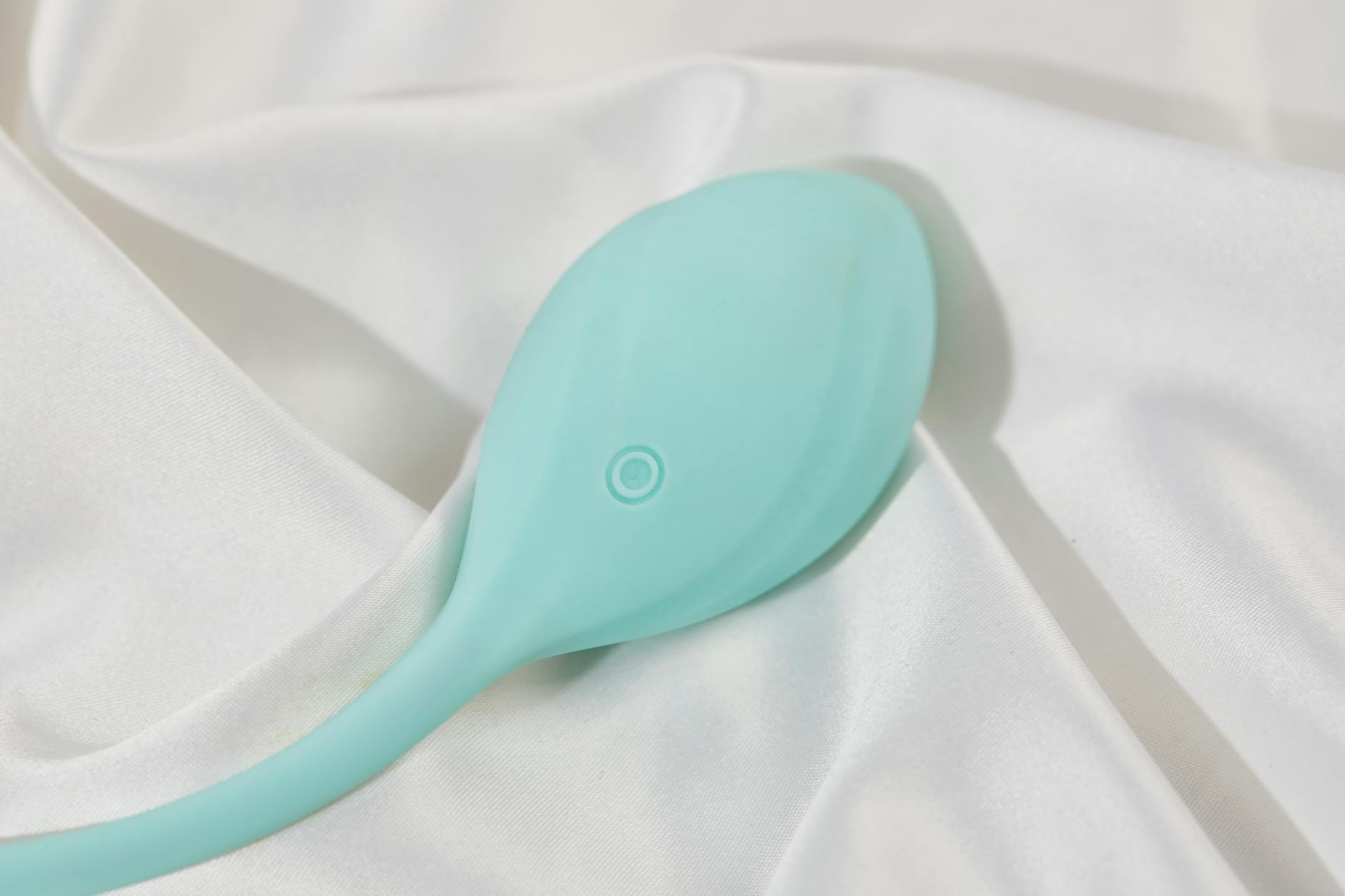
How to Build Arousal With Lemon Vibrators If You're Starting From Zero
Let's be real: sometimes desire just flatlines. You're not broken. You're not losing interest in your partner. You're stuck in a nervous system that's learned not to want, and breaking that pattern takes intentional rewiring.
This is where lemon vibrators come in. I work with couples where one partner's arousal has basically vanished, and the single most effective reset I've recommended is structured, solo exploration with a lemon clitoral vibrator. Not as a substitute for partnered sex. As a baseline builder. A way to teach your body what pleasure feels like again, outside of pressure or performance.
Here's how it works physiologically, what the first three weeks look like, and how to rebuild arousal when you're starting from ground zero.
Why arousal flatlines in the first place
Arousal isn't a switch. It's a gradual shift in blood flow, neurochemistry, and nervous system state. When that system gets stuck in stress mode for long enough, the wiring for pleasure gets quieter and quieter until it's barely audible.
This happens for several reasons. Chronic stress shuts down the parasympathetic nervous system (the one that handles pleasure and rest). Relationship conflict, without resolution, trains your body to stay defended. Numbing behaviors like scrolling or drinking can dull the sensations that used to turn you on. And sometimes, after years of sex that prioritizes someone else's pleasure or timeline, your own arousal pathways just fade from disuse.
The result: you can have sex, you might even enjoy it intellectually, but your body isn't responding. No warmth. No tingling. No pull. You're disconnected from the physical signals that used to feel automatic.
The lemon vibrator as nervous system reset
A lemon clitoral vibrator works differently than other toys. The suction and pulsing mechanism stimulates nerves in a way that doesn't require friction or muscular effort from you. You're not performing. You're receiving.
That matters because the first few times you're rebuilding arousal, the last thing your nervous system needs is another task to optimize. Lemon adult toys are designed so that the stimulation is consistent, the sensations are novel, and your only job is to notice what happens.
That noticing is the actual work. Most people stuck in low arousal have also stopped paying attention to their body. Building arousal isn't just about stimulation. It's about relearning the sensation itself.
When you use a lemon sucker (the popular term for this style of toy) for the first time, your clitoris might feel hypersensitive, almost uncomfortable. That's not a bad sign. That's evidence that the nerve endings are waking up. They've been dormant, and now they're firing again. Over two to three weeks of consistent use, that hypersensitivity calms down, and deeper, richer sensations emerge.
Week one: noticing without expecting
Start by giving yourself 20 to 30 minutes alone. You're not trying to orgasm. You're trying to feel.
Begin on the lowest setting. Place the lemon vibrator against your clitoris and just notice. Does it feel good? Weird? Too intense? Does the sensation change if you shift angle by a millimeter? All of these observations are data.
Many people report that in week one, especially if they've been disconnected from their body for a long time, the experience is more clinical than pleasurable. You might feel nothing. You might feel uncomfortable. Both are normal. Your nervous system is waking up, and waking up can feel disorienting.
Don't push for arousal. Don't try to force an orgasm. If you feel frustrated after 10 minutes, stop. Rest. Come back tomorrow.
The goal of week one is to establish the habit and to begin the neurological reconnection. Orgasm is not the metric.
Week two: finding your sensitivity map
By week two, most people start noticing texture. The vibrations feel less abstract and more localized. You might discover that one angle or setting feels significantly better than others.
This is when you can begin experimenting. Try different patterns. Notice which ones create that low, warm pull in your body, versus which ones feel scattered or sharp. You're building a map of what actually works for your nervous system right now, which may be very different from what worked 5 or 10 years ago.
This is also the week where you might start to feel the first real arousal signals. Warmth spreading from your clitoris. Quickening breath. A pull lower in your body. When you notice these, don't immediately amp up the intensity. Stay with the sensation that created it. Let your nervous system learn that it's safe to respond.
If you feel the urge to orgasm, let it happen. If you don't, that's fine too. You're training your body that pleasure exists without performance pressure.
Week three and beyond: building stamina and depth
By week three, most people report that arousal feels more like arousal again. The sensations are richer. The body responds more quickly. Some people have their first orgasm with a lemon vibrator in this window, others take longer, and both are completely normal.
At this point, you can start extending your sessions. Thirty to 45 minutes isn't excessive. Many people find that longer sessions allow for deeper states of pleasure, where you can cycle through different intensities and patterns and discover subtler sensations.
You can also start bringing this practice into partnered sex if you want to. Using a lemon clitoral vibrator during partnered activity is very different from the solo practice. It shifts the dynamic. For some couples, it's a relief (the pressure to orgasm from penetration alone disappears). For others, it requires a conversation about what it means and what you both want from it.
The nervous system piece nobody talks about
Rebuild arousal isn't just mechanical. It's deeply neurological. Your brain needs permission to want again. This is where self-compassion matters more than technique.
If you've been in a relationship where sex became obligatory or where your pleasure was secondary, your nervous system learned not to feel. Rewiring that takes time. Using lemon sexual toys is one tool, but it works best alongside other nervous system practices. Taking baths without your phone. Walking. Time where you're not trying to accomplish anything.
Some people find that as their arousal rebuilds, they start wanting their partner more, not less. Others realize they need a conversation about what sex means in the relationship. That clarity, even if it's difficult, is part of the healing.
When to adjust your approach
If after four weeks of consistent use you're still feeling nothing, see a doctor. Persistent low arousal can indicate hormonal changes, medication side effects, or circulatory issues that need professional attention. A lemon vibrator is a powerful tool, but it's not a substitute for medical evaluation.
If you're experiencing pain, stop immediately. Pain during use isn't something to push through. It's information that something's wrong. Adjust your approach, use more lubrication, or check in with a pelvic health specialist.
Building back arousal takes patience
Your nervous system learned not to want over months or years. It's going to take weeks, not days, to rewrite that pattern. The consistency matters more than the intensity. Using a lemon clitoral vibrator three times a week, where you're genuinely present and noticing, will rebuild arousal faster than sporadic intensive sessions.
And here's what I tell couples in my practice: this solo work actually strengthens your partnership. When one partner reconnects with their own desire, they become less dependent on the other person to create arousal. That takes the pressure off both of you. It becomes something you're building together from a place of genuine want, not obligation.
Your arousal matters. Your pleasure deserves intentional time. And if it's been dormant for a while, that doesn't mean it's gone. It just means you get to rediscover it.
People also ask
How long does it take to feel arousal again with a lemon vibrator?
Most people notice a shift within two to three weeks of consistent use, three times per week or more. Some feel a change in the first session. Others take four to six weeks. It depends on how long your arousal has been flatlined and how much stress your nervous system is currently holding. The key is consistency, not intensity. Daily use for five minutes beats sporadic intensive sessions.
Can using a lemon clitoral vibrator make arousal harder to build without one?
No. This is a common worry, and it's not supported by the evidence. The lemon sucker is stimulating your nervous system in a normal way, just more efficiently than other methods. Using it doesn't rewire you to need it. In fact, many people find that after rebuilding their arousal baseline with a lemon vibrator, they can access pleasure more easily with a partner or other methods. It's a reset button, not a dependency.
What if my partner feels threatened by me using a lemon vibrator?
This is worth a conversation, separate from the tool itself. Often what sounds like threat is actually fear of rejection or worry about being enough. A lemon sexual toy isn't a replacement for your partner. It's a way for you to meet your own needs when arousal is absent. You might frame it as: "I'm doing this for me, to reconnect with my body. It's not about you. And actually, it might help us because I'm going to feel more desire toward you." If your partner stays resistant, that's worth exploring deeper, possibly with a couples therapist. See our guide on how to talk to your partner about lemon vibrators for more nuance.
Is a lemon vibrator or a different type of clitoral vibrator better for rebuilding arousal?
Lemon vibrators are particularly good for this because the suction mechanism doesn't require as much physical effort or adjustment from you. You're passive in the best way. Other clitoral vibrators can absolutely work, but they often require more muscular engagement or more trial-and-error to find the right angle. If you're starting from zero arousal, the path of least resistance is actually the path that works best. Learn more about how lemon vibrators compare to other clitoral toys.
What lubrication should I use with a lemon clitoral vibrator?
Water-based lubricant only. Silicone lube can damage silicone toys. Most lemon vibrators are silicone, so stick with water-based. You might not think you need lube, but arousal that's just rebuilding often produces less natural lubrication. Adding it removes a barrier and lets you focus on sensation. Reapply as needed throughout your session.
If I'm rebuilding arousal, should I avoid partnered sex while I'm doing solo work?
Not necessarily. Many people continue partnered sex while they're rebuilding their personal arousal. What sometimes helps is being intentional about it. Maybe you're not prioritizing orgasm during partnered sex while you're doing this solo work. Maybe you're focusing on connection and sensation instead. The solo practice with a lemon vibrator is your baseline rebuilding. Partnered sex is something different. They can exist in parallel, as long as you're not putting pressure on yourself during either one.
What comes next
Rebuild arousal is a practice, not a destination. Once you've reset your baseline and you're feeling desire again, the work shifts. You might want to explore what partnerships or solo practices keep that aliveness going. You might have conversations with your partner about what's shifted. You might learn how to use a lemon vibrator with your partner, or you might find that solo practice remains your private foundation.
The point is: flatlined arousal is reversible. Your nervous system didn't forget how to want. It just learned to protect itself. And with patience, intention, and the right tool, you can teach it to feel again.