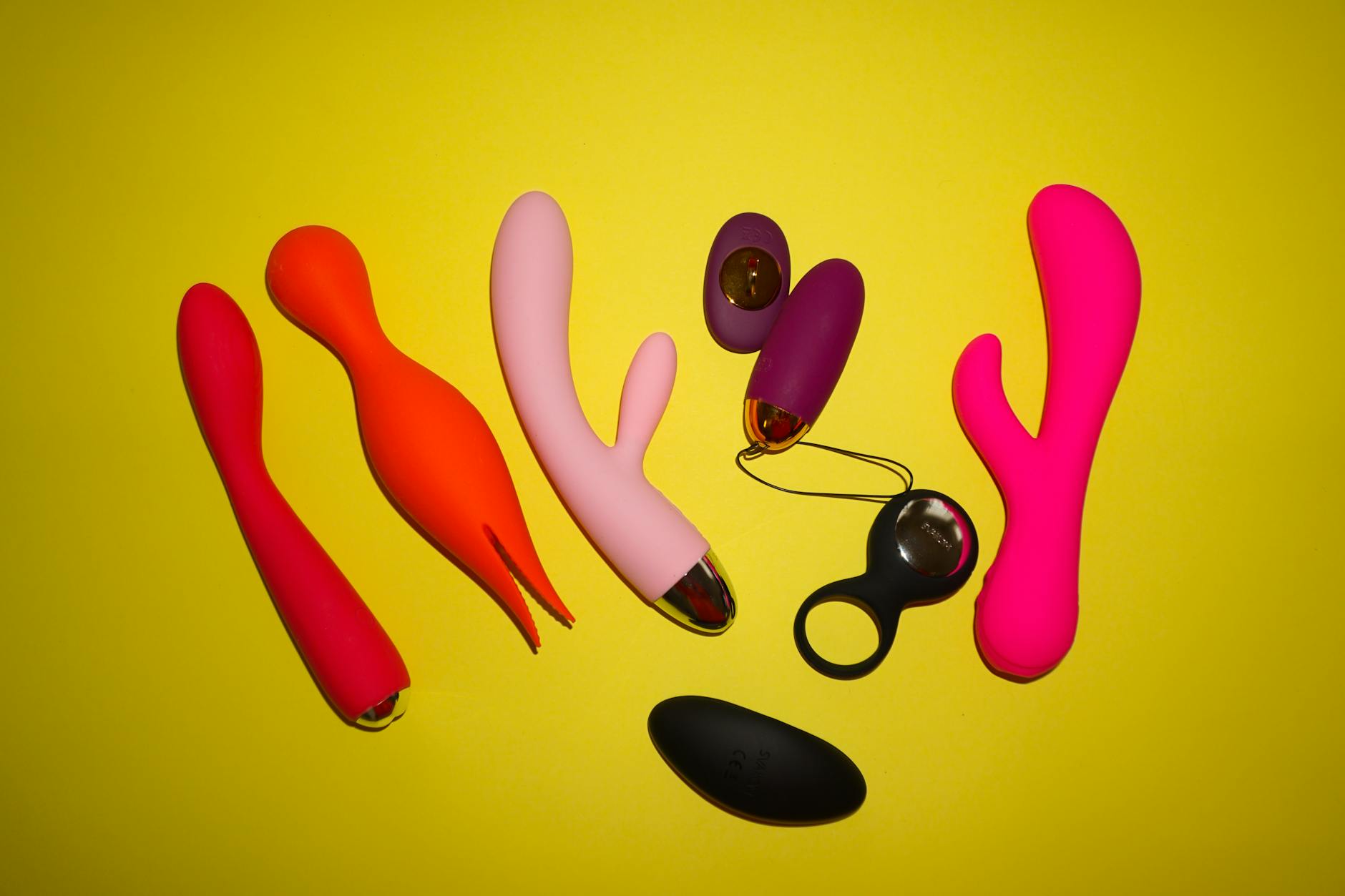
Here's the thing about attachment and pleasure
Your attachment style isn't just about how you date or text your partner back. It lives in your body. It shapes whether you can stay present during intimacy, whether you feel "worthy" of pleasure, and whether your nervous system trusts that it's safe to let go. That's not psychology abstraction. That's neurology.
When your attachment is anxious, you might dissociate during solo time because part of you is still monitoring whether you deserve this. When it's avoidant, you might avoid pleasure altogether because vulnerability feels like loss of control. Disorganized attachment can mean you swing between both, sometimes within the same session. None of this is a character flaw. It's your nervous system doing exactly what it learned to do.
Lemon vibrators, specifically the suction-based design of clitoral stimulation devices, can interrupt that pattern. Not by psychology, but by giving your body a sensation so novel and grounding that your brain has to pay attention to the present moment instead of the stories it's been running.
How attachment patterns show up in the bedroom
Anxious attachment typically looks like hypervigilance during sex. You're checking in mentally. Are they still interested? Did I do that right? Is this taking too long? Your nervous system stays in a low-grade alert state, which makes deep arousal almost impossible. Pleasure requires surrender, and surrender requires trust that you won't be abandoned mid-session.
Solo pleasure should theoretically be the antidote. No one to please, no one to disappoint. But anxious attachment often means you've internalized a critical voice that sounds like your caregivers. You're still performing, even alone. You're still managing someone else's comfort, except now that someone is a ghost.
Avoidant attachment is different. It shows up as a need for distance even when you want closeness. Your body might not respond. Or you respond fine but feel numb, untethered. Vulnerability during sex triggers an unconscious threat response. Your nervous system says, "If I let someone see me this way, I'll lose myself." The irony is you often lose yourself anyway, by checking out.
With solo pleasure, avoidant patterns mean you might avoid it altogether, or pursue it mechanically without much sensation. There's no real engagement. It's maintenance, not exploration.
Disorganized attachment blends both. One day you're reaching for connection, the next you need space. You might start a solo session feeling present and suddenly feel panicked, or start disconnected and have moments where everything clicks. Your nervous system doesn't have a clear "safe" setting.
Why lemon vibrators specifically help rewire attachment patterns
Clitoral suction works differently than traditional vibration. It's not about speed or intensity. It's about a gentle, sustained pressure that feels almost like someone is holding your attention there. No numbing after five minutes. No needing to chase a sensation that keeps moving.
For anxious attachment, that consistency is crucial. Your nervous system gets the message: this won't disappear. You can trust it. Over multiple sessions, your brain starts to recognize that pleasure doesn't require performance or maintenance. It just requires showing up.
For avoidant attachment, the novelty of suction actually helps. Your conscious brain has to stay engaged because this sensation isn't something you've numbed to. You can't dissociate as easily. The stimulation pulls you into your body instead of letting you escape into your head.
With disorganized patterns, the sustained gentleness of a lemon vibrator gives your nervous system a baseline of safety. You're not chasing intensity or managing shutdown. You're just present with what's there.
The practice: how to actually do this
Start by being honest about what your attachment pattern is. You probably already know. If you're not sure, notice: Do you prefer sex with a partner to solo? Do you feel guilty during solo sessions? Do you zone out? Do you need constant reassurance? Do you panic if things get too intimate? Your answers are data, not judgment.
Then set a boundary that almost feels weird. Tell yourself: for the next 15 minutes, the only job is to pay attention. Not to orgasm. Not to achieve anything. Just to notice what's happening in your body, without narration or criticism.
Start with your lemon vibrator on the lowest setting. If you have one of the Lemon Vibe's clitoral vibrators, begin on pattern one. Place it directly on your clitoris (not over your underwear). Breathe slowly. Your job is to notice: what does this feel like? What does your body want to do? Can you let yourself want something without immediately questioning whether you deserve it?
If your mind wanders, that's not failure. That's your attachment pattern showing up. Notice it. "I'm thinking about whether I'm doing this right." Okay. Then come back to the sensation.
If you feel panicked, stop. Your nervous system is telling you it doesn't feel safe yet. That's information. You might need to start with external thigh stimulation, not direct clitoral touch. You might need five sessions before you go deeper. Attachment rewiring takes time. There's no rush.
Do this 2-3 times per week, same time of day if you can. Routine helps your nervous system learn that this is a safe container. After 4-6 weeks, most people notice a shift. Not necessarily more orgasms. But more presence. More ease. More ability to be alone with yourself without the internal noise.
What changes when attachment starts to shift
Your nervous system begins to learn that pleasure doesn't equal loss of control or abandonment. That's huge. It sounds simple, but neurologically it's a major recalibration.
Anxious folks often report that after consistent solo practice, they need reassurance less during partnered sex. Not because they stopped caring, but because they've rebuilt an internal sense of safety. They're not as dependent on external validation.
Avoidant people sometimes find they actually want connection more, because they've proven to themselves that vulnerability with themselves doesn't destroy them. That opens the door.
Disorganized patterns often stabilize. You still have moments of activation, but they're shorter and you know how to return to baseline faster.
The other thing that happens: you stop performing pleasure. You actually feel it. And that's the foundation for real intimacy, with a partner or alone.
When to work with a therapist alongside this
Solo pleasure is powerful, but it's not therapy. If your attachment pattern is causing real distress in your relationships, or if you find you can't connect with pleasure even with these tools, that's a sign to work with a therapist trained in attachment theory or somatic therapy. They can help you understand where the pattern came from and give you tools for partnered contexts.
If you're in a relationship and your attachment is affecting things, having honest conversations with your partner about what you need is important. Your partner isn't responsible for healing your attachment wound. But they can be informed, and that changes everything.
Solo practice with a lemon vibrator isn't meant to replace connection. It's meant to help you trust yourself enough to actually be present for it.
FAQ: Attachment and pleasure
How long does it take to notice changes in your nervous system response?
Most people feel a shift in presence within 4-6 weeks of consistent practice (2-3 sessions weekly). Full nervous system recalibration takes longer, usually several months. If you've had anxious or avoidant attachment for decades, your brain has strong neural pathways around it. But neuroplasticity is real. You're literally rewiring your response to intimacy and vulnerability.
Can attachment style change, or is it fixed?
Attachment style is not fixed. It develops early based on your caregivers' responsiveness, but you can move toward "secure attachment" at any age. Solo pleasure practice, therapy, and consistent safe relationships all contribute. Think of it like retraining your nervous system's threat response. It takes intention and repetition, but it works.
What if I feel guilty during solo sessions, even after understanding my attachment?
That guilt is likely internalized criticism from your attachment history. It's not a reflection of reality or morality. Try naming it: "There's guilt here." Acknowledge it without acting on it. Keep going. Over time, your nervous system learns that pleasure is safe and you're allowed to have it. The guilt often fades as your body gets more evidence that it's okay to prioritize your own experience.
Should I tell my partner about using lemon vibrators as part of attachment work?
That depends on your relationship and your partner's attachment style. If you're both interested in understanding the relationship better, yes. If you think they'll feel threatened, that's worth exploring with them or a therapist. But you're not obligated to share the details of your solo practice. Your pleasure is yours.
Can lemon vibrators help if I'm avoidantly attached but want to be more intimate?
Completely. Avoidant folks often benefit from building comfort with their own body first. When you can be present and vulnerable with yourself, that skill transfers to partnered contexts. You might find you're less likely to shut down or need space mid-intimacy because you've practiced staying engaged.
What if my attachment style is different from my partner's?
Most couples have mismatched attachment styles. That's actually normal and workable. The issue comes when you don't understand each other's nervous systems. Learning how your attachment styles interact and building communication around it transforms the relationship. Solo pleasure practice helps you stay regulated when your partner's needs feel threatening.
The long game
Attachment patterns run deep. They're wired into your survival response. But that same nervous system can learn new patterns. Lemon vibrators, with their sustained, grounding sensation, are one tool that helps your body experience something different. Not "good feelings." But feelings you can trust. Sensations that won't abandon you mid-climax. Pressure that says: you're worth paying attention to.
That's how nervous systems change. Not through willpower or logic, but through repeated experiences of safety. Every solo session where you stay present, where you let yourself feel without performing, is another data point your nervous system is collecting. Over time, those data points add up. You start to believe you're worth it.
That belief doesn't come from a book or a therapist or an article. It comes from your own body showing you the truth.