What actually happens to sensitivity as you age
Your clitoris doesn't retire. But the way it responds to stimulation absolutely changes. Between your twenties and your fifties, nerve density shifts slightly, blood flow patterns evolve, and hormonal fluctuations alter how quickly arousal builds and how intensely sensation registers. This isn't loss. It's recalibration.
I've worked with hundreds of people navigating this exact transition, and the pattern is always the same: they assume their body is broken when really it's just asking for a different approach. The good news is that lemon clitoral vibrators, with their suction-based technology, adapt beautifully to age-related sensitivity changes.
Why suction beats traditional vibration as you age
Traditional vibrators rely on rapid oscillation to stimulate nerve endings. That works wonderfully when your tissue is at peak elasticity and your nerve responses are hair-trigger quick. But as you age, that high-frequency vibration can start to feel overwhelming, numb-inducing, or even painful if you've experienced hormonal shifts like perimenopause or menopause.
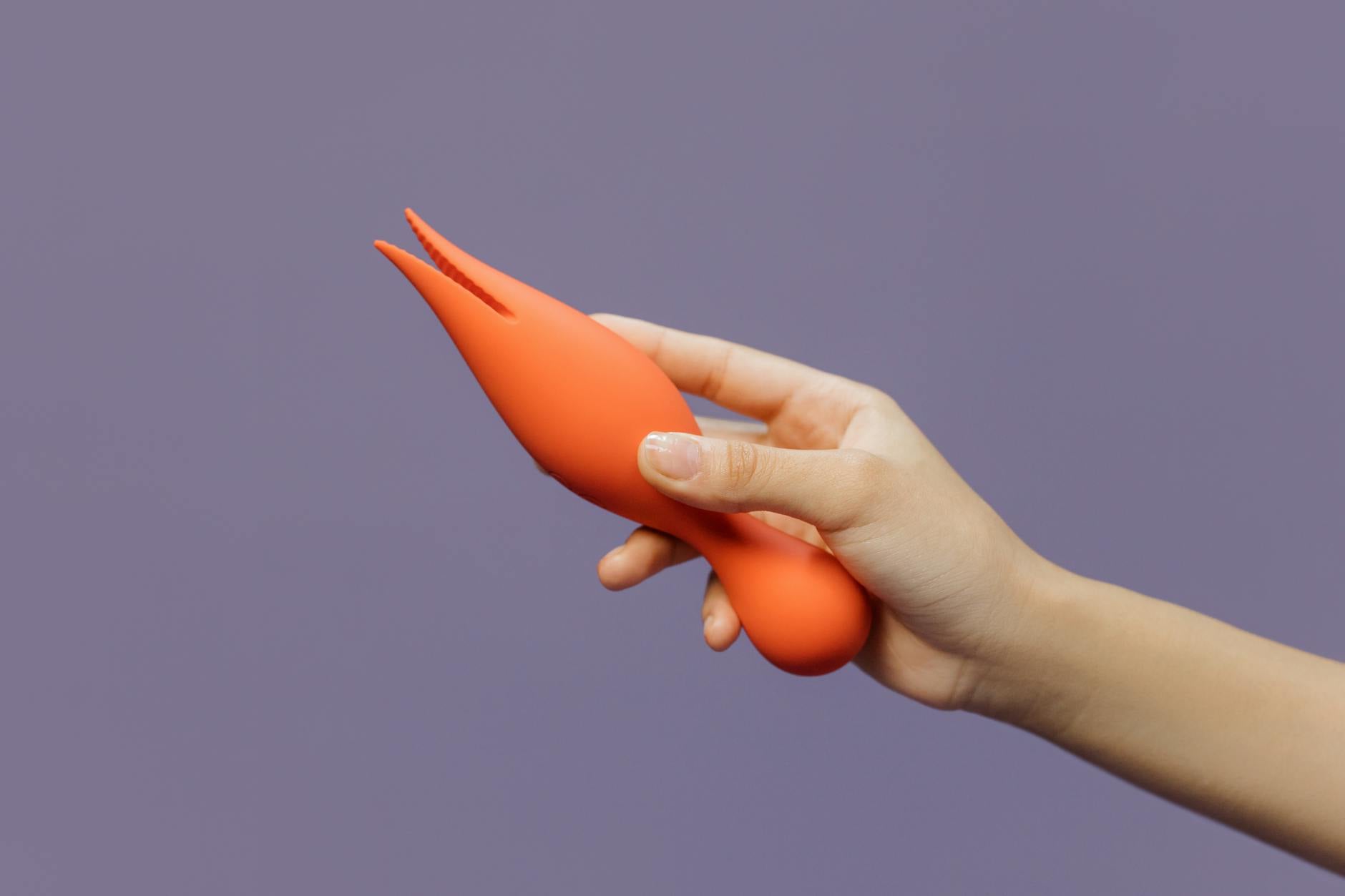
Lemon vibrators work differently. Instead of vibrating, they use pulsed suction to gently lift and stimulate the clitoral area. Think of it as a gentler conversation with your body rather than a loud announcement. The sensation is deeper, more sustained, and far easier to modulate as your sensitivity threshold changes.
For people whose sensitivity has become more acute with age, suction allows you to reduce intensity without losing sensation entirely. You control the pressure, the rhythm, and the pattern. That autonomy matters when your body's needs shift year to year.
Starting over on the settings dial
Here's what I recommend: stop assuming you know what intensity level works for you. Even if you've used vibrators for decades, your current sensitivity baseline is different from what it was five years ago.
Start with pattern 1 or 2 on your Lem vibrator. Not because you're starting from scratch, but because your tissue's responsiveness has changed. Spend a full session at this lower level. Let your body remember what pleasure feels like without shock value. You might be surprised how satisfying this gentler approach becomes. Many of my clients report that they've unlocked orgasms they couldn't access at higher intensities.
If pattern 1 feels too gentle, move to pattern 2. If pattern 2 feels numb, bump to pattern 3. The sweet spot for age-related sensitivity is often around pattern 3 or 4, though everyone is different. The key is that you're discovering your baseline fresh, not borrowing it from your past self.
Building arousal takes longer. That's not a problem.
One of the biggest frustrations people report as they age is that arousal takes time. Twenty minutes instead of five. That feels like failure until you reframe it as depth.
When you extend your warm-up period, your body has more time to fully engorge, your natural lubrication increases, and your nervous system genuinely settles into pleasure rather than rushing toward the finish line. The lemon sucker technology is perfect for this. You can spend fifteen or twenty minutes at pattern 2 or 3, exploring sensation without fatigue, without your arm getting tired the way it would with a traditional handheld vibrator.
Rhythm matters too. Your nerve response may have slowed slightly, which means switching patterns every few minutes keeps sensation fresh. Try pattern 1 for five minutes, pattern 2 for five, then pattern 3. This variation keeps your body engaged without overwhelming it.
The lubrication equation isn't just about dryness
Yes, hormonal changes sometimes mean less natural lubrication. But here's what people miss: inconsistent or unpredictable lubrication changes how sensation registers. Some days your body responds robustly to a Lem vibrator at pattern 4. Other days, the same intensity feels jarring.
The solution isn't to push through inconsistency. It's to add a water-based lubricant to your routine, not as a sign of dysfunction, but as a tool for consistency. Lubrication creates a buffer between the suction cup and your tissue, which softens sensation. If you find that pattern 3 suddenly feels too intense, try adding a small amount of lubricant and dropping back to pattern 2. You'll likely find that the sensation is smooth and sustained rather than sharp.
This is especially true if you've experienced hormonal birth control changes, are taking medication that affects lubrication, or are navigating perimenopause or menopause. The lemon clitoral vibrator adapts to these shifts beautifully when you're willing to adjust the support system around it.
Sensation mapping: discovering your new pleasure geography
As you age, your body's pleasure geography changes. The exact spot that sparked instant response at thirty might feel different at forty-five. Not worse. Different.
Take a session and use your Lem vibrator at pattern 1 to slowly explore your vulva. Don't rush toward orgasm. Notice where sensation feels most alive. Some people find their sweet spot has moved slightly toward the visible clitoral bulb. Others discover that slower, broader stimulation across the clitoral hood now works better than pinpoint intensity.
There's no right answer here. The point is to map your current body instead of expecting your body to match your map from a decade ago. Once you've identified where sensation feels best, you can return to that spot with intention in future sessions.
Patience is the secret ingredient
I'm going to be blunt: the fastest way to convince yourself that your sensitivity changes mean the end of pleasure is to rush. If you use a Lem vibrator at pattern 4 because that's what you "used to use," feel numb, blame your body, and move on, you've closed the door on discovering what's actually available to you now.
But if you spend three or four sessions exploring your current baseline with patience, you'll almost always find that pleasure is still absolutely there. It just wears a different shape.
When sensation becomes inconsistent month to month
If you're in perimenopause or experiencing hormonal fluctuation, your sensitivity might shift throughout your cycle. Days when hormones are higher often feel different from days when they're lower. This is infuriating and also completely normal.
Instead of fighting it, work with it. Keep a small note on your phone tracking which patterns felt best on which days. Over a few months, you'll see a pattern. You might discover that pattern 3 feels perfect on certain days and pattern 2 on others. That knowledge lets you adjust expectations rather than blame your body.
The emotional piece: this isn't loss
Most of the difficulty around sensitivity changes has nothing to do with your body and everything to do with narrative. If you're telling yourself "I'm past my peak," or "This is what aging looks like," you're creating a story that undermines your willingness to explore and adapt.
The honest version is: your body continues to evolve. That evolution requires curiosity instead of grief. When you approach sensitivity changes as new information to work with rather than as decline, the entire experience shifts.
FAQ: Your sensitivity and lemon vibrators
Why does my sensitivity feel inconsistent from session to session?
Sensitivity changes happen for a bunch of reasons. Hormonal fluctuation, stress levels, sleep quality, hydration, and how much time you've spent on arousal all affect how your body responds. This is especially true as you age and your baseline becomes less obviously predictable. Instead of assuming your body is broken, treat inconsistency as feedback. Notice the conditions around sessions that feel best, and try to recreate them.
Is pattern 1 on a lemon vibrator really enough to reach orgasm?
For many people, yes. Especially as sensitivity changes with age, lower intensities often feel more pleasurable than higher ones. Pattern 1 delivers steady suction without overwhelming your tissue. Try committing to pattern 1 for at least five full sessions before assuming you need higher intensity. Most people report surprise at how deep sensation can be at gentle settings.
What if my sensitivity has become too intense and even pattern 1 hurts?
That's usually a sign of either genitourinary syndrome of menopause (if you're in or past menopause), inflammation, or an infection. Talk to a menopause-informed GP or gynecologist. In the meantime, try using your Lem vibrator over your underwear or with a thin cloth barrier between the suction cup and your skin. Many people find this softens sensation enough to keep exploring.
Can sensitivity changes mean I'll never enjoy vibrators again?
No. What changes is the delivery method that works best. If traditional vibration feels too intense, lemon clitoral vibrators with their suction-based approach often feel incredible. If Lem vibrators feel too much, there are slower tools available. Sensitivity changes don't close the door on pleasure. They just require you to find the right tool for where your body is right now.
How long does it take to adjust to new sensitivity levels?
Most people find their rhythm within three to five sessions of intentional exploration. Give yourself at least that many before deciding something doesn't work. Your body needs time to adjust to a new approach, especially if you've been using the same method for years.
Should I use lubricant if my sensitivity is heightened?
Yes. Water-based lubricant creates a smooth buffer between your body and the suction cup, which can dial down sensation without losing pleasure. It also helps consistency. If your natural lubrication varies, external lubricant makes the experience more predictable and often more enjoyable.
Moving forward with your body
Your sensitivity threshold changing with age isn't a plot twist in a sad story. It's information. Lemon vibrators, especially their clitoral suction design, adapt beautifully to what your body is asking for right now. The key is approaching those changes with curiosity instead of resistance, and with patience instead of the speed you might have relied on before.
Your pleasure isn't behind you. It's shifting shape. When you're willing to explore that shift, you often discover that the best sessions of your life are still ahead.
If you're navigating other age-related changes alongside sensitivity shifts, you're not alone. Many people find that how to use lemon vibrators when aging affects grip strength offers additional context. And if hormonal changes are part of your picture, the guide on lemon vibrators during perimenopause can help you understand what's happening in your body.
Your body deserves attention, respect, and pleasure at every age. That's not negotiable.