
Let's start with what you need to hear
Not reaching orgasm isn't broken. It isn't lazy. It isn't something you should rush to fix or feel ashamed about. But it is worth understanding, because the gap between struggling and succeeding often comes down to one thing: matching the right tool to your actual neurology.
That's where lemon vibrators and clitoral suction devices step in. They work fundamentally differently than traditional vibrators, and for a significant portion of people who find standard vibration unhelpful, they're the tool that changes everything.
Why standard vibration sometimes doesn't work
Here's the mechanical reality. Vibration sends repetitive signals to your nerve endings. For some people, that signal pattern slots perfectly into their arousal threshold and builds steadily toward climax. For others, that repetitive pattern flattens after a few minutes, becomes numb or irritating, or simply doesn't build the intensity needed to cross the finish line.
It's not that your body is broken. It's that you might be a suction responder rather than a vibration responder. This isn't rare. Studies on pleasure response suggest that about 30 to 40 percent of people with vulvas don't reliably reach orgasm with vibration alone.
If you've already tried traditional vibrators and found them tiring, numbing, or ineffective, that's actual data. It tells you something true about your neurology. Pushing harder with the same tool rarely works.
What lemon clitoral vibrators do differently
Lemon vibrators, including the flagship lemon clitoral vibrator design, use air-suction technology rather than pure vibration. Instead of shaking back and forth, suction creates a gentle pulsing pressure that stimulates nerve clusters through skin contact and rhythmic waves.
The difference is enormous. Suction doesn't fatigue nerve endings the same way vibration does. It builds sensation cumulatively rather than resetting the signal every cycle. For many people, this means the intensity keeps rising without the plateau or numbness that stops progress with traditional vibrators.
A lemon sucker design also tends to be gentler on sensitive tissue, which matters if you've been discouraged by rough or overstimulating devices before. You can control the suction strength independently, which gives you actual agency over your own experience.
The arousal foundation you can't skip
Here's where most advice gets it wrong. No device, not even the best lemon clitoral vibrator, creates an orgasm from nothing. Arousal comes first. The toy amplifies what's already building.
If you're not feeling genuine desire or physical response before you reach for the toy, you're starting from a disadvantage. Spend real time on foreplay, fantasy, or whatever gets your body warm first. That might be reading something that appeals to you, talking with a partner about what you want, or simply lying with your own thoughts for ten minutes without rushing.
Once you feel actual physical response, touch, or early arousal, that's when the lemon vibrator steps in. Not before.
The technique that actually works
Most people start with pattern 1 or 2 on a lemon clitoral vibrator. Resist the urge to jump to the strongest setting immediately. Your nervous system needs time to build momentum.
Apply the suction cup directly to your clitoris, making sure you have a complete seal. Too much air leak and the suction drops. No seal means no sensation. Experiment with the angle slightly. For some people, direct contact feels best. For others, covering the clitoris with a layer of skin or a small amount of lubricant changes the intensity in a helpful way.
Stay in one spot for 2 to 5 minutes before considering a change in pattern. That sounds like a long time, but sensation builds slowly with suction. Jumping patterns every 30 seconds interrupts the wave.
Let your body guide the progression. When 2 stops feeling like enough, move to 3. Your own arousal will tell you when to shift intensities. This is listening, not rushing.
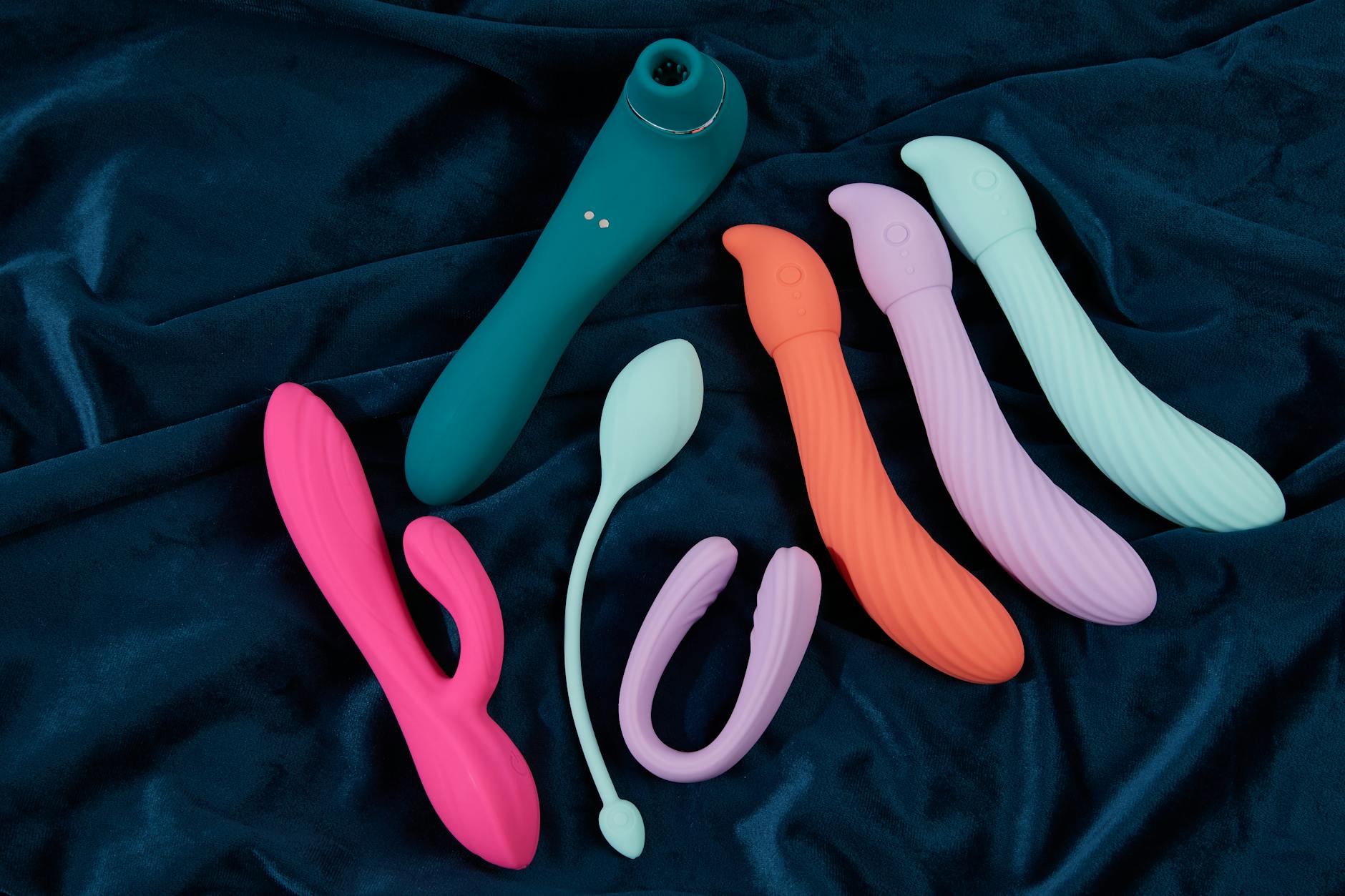
Photo by IFONNX Toys on Pexels
Mental blocks that masquerade as physical problems
Let's be honest: your brain has massive say in whether you reach orgasm. If you're anxious about taking too long, focused on whether it's happening, or carrying shame about your own pleasure, your nervous system stays in a state where climax becomes impossible.
One adjustment that helps is removing the goal. Sounds counterintuitive, but I mean this literally: decide in advance that tonight's session is about sensation and exploration, not reaching orgasm. See if you can relax into that frame. Paradoxically, dropping the pressure often makes orgasm easier to access.
Similarly, if you're in a partnership, having a conversation before using a lemon clitoral vibrator can ease mental noise. Tell your partner you might take 20 or 30 minutes. Ask them not to interrupt or ask if you're close. That kind of support creates safety, which your nervous system recognizes.
Timing, cycle, and hormonal reality
Your ability to reach orgasm shifts across your menstrual cycle, during different life phases, and depending on stress levels. Some months, a lemon vibrator works perfectly. Other months, you might be more sensitive or need longer warm-up time.
This isn't failure. It's a signal to adapt. Tracking when pleasure comes easily tells you something useful. Many people notice they respond more readily in the follicular phase (first half of the cycle) than the luteal phase. That's biology, not broken function.
If you're on medication that affects sensation or arousal, that's also worth acknowledging. Certain medications do genuinely change your ability to reach climax. If that's your situation, how to use lemon vibrators with antidepressants without losing sensation covers adjustments specific to that context.
When consistency actually builds capacity
Your arousal system responds to practice. Sounds strange, but neurologically it's true. The more you engage in solo exploration with a lemon clitoral vibrator, the more your nervous system learns the pathways to climax.
Many people find that their first orgasm with a new tool takes 30 or 45 minutes. The second time might take 25. By week three, they're reliably reaching it in 15 to 20 minutes. That's not magic. It's your brain and body remembering the sensations and building familiarity.
Give yourself at least 3 to 5 sessions with a new approach before deciding it isn't working. One attempt tells you almost nothing.
What underlying conditions might mean
If you've never reached an orgasm despite genuine arousal, extended exploration, and multiple approaches, it's worth getting a physical assessment. Conditions like hormonal imbalances, pelvic floor dysfunction, or certain neurological factors can make orgasm more difficult. A gynecologist or sex therapist trained in sexual function can help identify whether something treatable is at play.
Similarly, if you're carrying trauma or have experienced sexual coercion, your nervous system might genuinely be protecting you from pleasure. That's not a device problem. That's a nervous system problem, and it deserves proper support. A trauma-informed therapist is the right resource there, not a better vibrator.
But for most people who struggle with reaching orgasm, it's a matter of finding the right tool, the right setup, and the right patience.
People also ask
How long should I use a lemon vibrator before I give up if I'm not feeling it?
Give it at least 5 sessions of 20 to 30 minutes each. Your body needs time to learn the sensation pattern. Quitting after one or two attempts is like buying running shoes and deciding they don't work after your first jog. Consistency matters wildly.
Can difficulty reaching orgasm be psychological, or is it always physical?
It's usually both. Your mind and body aren't separate systems. Anxiety, shame, distraction, or relationship stress absolutely change your ability to climax. So do hormones, medication, and arousal setup. Both matter. A lemon clitoral vibrator handles the physical signal part beautifully, but if your head isn't in the game, the toy alone won't get you there.
Is it normal to need a vibrator to reach orgasm?
Yes. About 50 to 75 percent of people with vulvas need clitoral stimulation to reach orgasm, and about 30 percent rely on devices to get there reliably. There's nothing abnormal about needing a specific tool. You wouldn't apologize for needing glasses to read. This is the same.
Why does suction work better than vibration for some people?
Neural fatigue. Vibration can desensitize your nerve endings after a few minutes if that's how your particular neurology responds. Suction builds sensation through waves of pressure rather than rapid repetition, so it doesn't trigger the same habituation response. If you're someone whose clitoris goes numb with vibrators, suction devices like lemon clitoral vibrators usually feel fresher and more responsive.
What if I reach arousal but plateau before orgasm?
You're hitting the intensity ceiling. Try a stronger suction pattern, add a small amount of water-based lubricant to change the sensation slightly, or pause for 30 seconds to let sensation reset, then resume. Sometimes small adjustments break the plateau. If it happens consistently, consider whether you need more dedicated arousal time beforehand, or whether your lemon vibrator's strongest setting truly matches your threshold.
Should I use a lemon vibrator alone or with a partner the first time?
Alone is usually better for learning. Without an audience, you can relax into it and focus on your own sensation instead of worrying about performance or timing. Once you've figured out what works for you, bringing that knowledge into partnered play is far easier.
The bottom line
Difficulty reaching orgasm doesn't mean you're broken or that pleasure isn't available to you. Often it means you haven't found the right approach yet. Lemon vibrators and clitoral suction devices represent a fundamentally different way to stimulate, and for a huge portion of people who've struggled with traditional vibration, they're the tool that changes everything.
If you're ready to explore this, start slowly, build arousal intentionally, and give yourself permission to learn what your body actually needs. Building arousal with lemon vibrators if you're starting from zero might also help if you're in that position.
Your pleasure matters. It's worth the time and patience to figure out what actually works for you. Reach out if you have questions or need guidance on what might suit your specific situation. Contact us here.