
Here's what nobody tells you about vibrator technology
If you've tried a traditional vibrator and felt... underwhelmed. If you've heard about Lemon clitoral vibrators and wondered what the actual difference is. If you're scrolling through options and can't figure out why some cost more or why your friend swears by one style over another. That confusion makes sense. Most people don't know that vibrators work through fundamentally different technologies, and that choice changes what your body feels.
Let's break down what's actually happening under the surface, so you can make a choice that fits your body instead of guessing.
The vibration difference: friction versus suction
A traditional wand vibrator works by rapid back-and-forth movement. That's friction. The toy moves side to side or up and down at high speed (usually 40 to 60 vibrations per second, though specs vary wildly). This creates stimulation through direct contact and repetitive motion against tissue.
A Lemon clitoral vibrator works completely differently. It uses air-pulse technology, which creates gentle suction and release patterns. Instead of the toy moving, it creates a sensation of gentle pulling and releasing around the clitoral area. Think of it less like shaking and more like a soft rhythmic massage.
This is not a minor distinction. It's the difference between two separate nervous system pathways lighting up. The vibration pathway gets overstimulated easily and can lead to numbness. The suction pathway stays fresh longer.
Why this matters for sensation and endurance
Traditional vibrators stimulate through constant intense contact. That feels great initially. But here's the catch. Your nerve endings adapt. After 15 to 20 minutes of direct vibration, many people report that sensitivity drops, or the sensation flattens. You keep going faster or harder trying to get that initial spark back. This is not a failure on your part. It's how your nervous system handles constant stimulation.
Lemon vibrators work with your nervous system instead of against it. The air-pulse mechanism creates rhythmic waves of sensation rather than continuous friction. This means you can often sustain pleasure for longer without needing to increase intensity. People frequently report that orgasms from air-pulse devices feel deeper or more full-bodied, possibly because the sensation doesn't numb out as quickly.
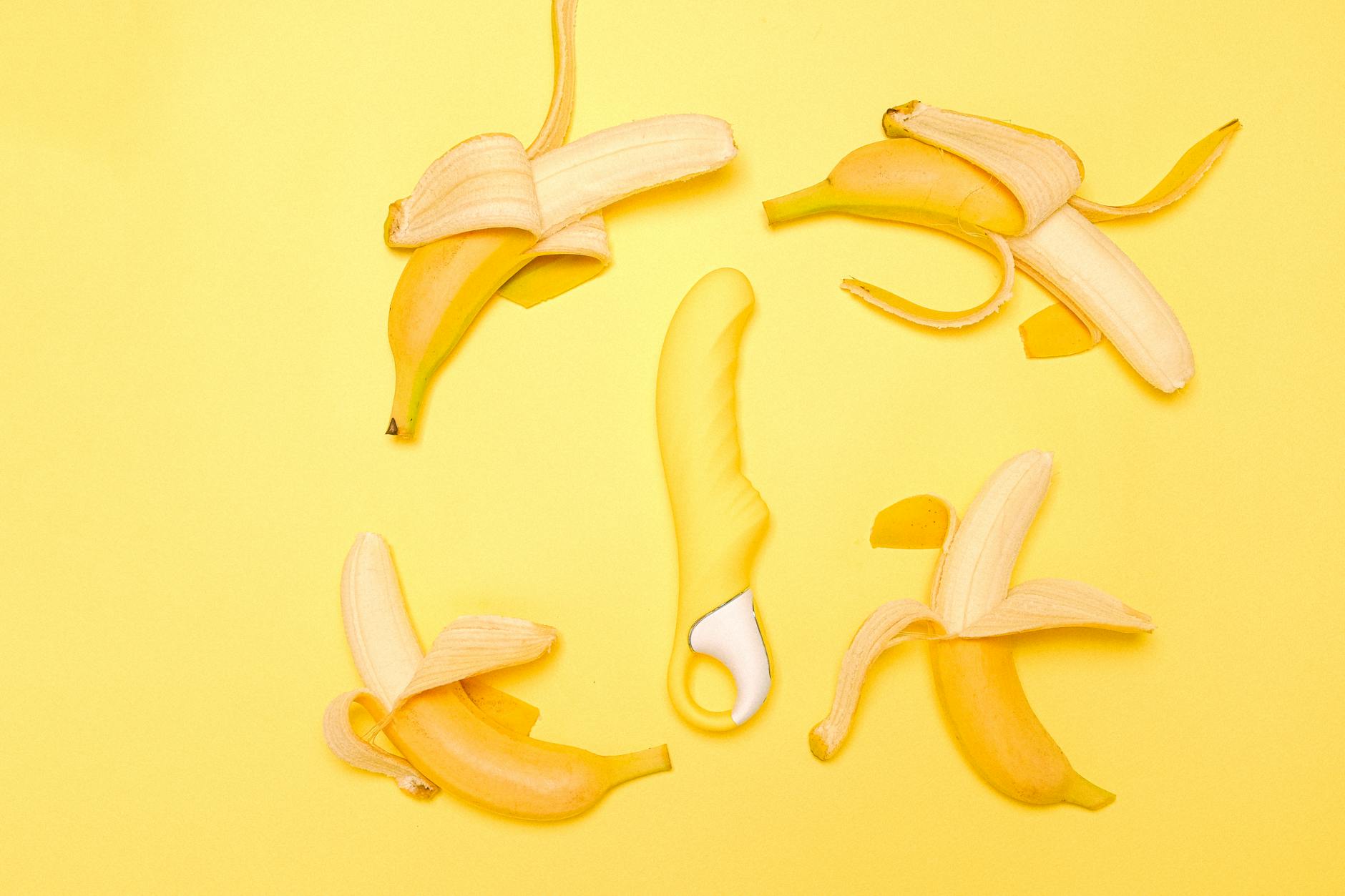
Photo by Anna Shvets on Pexels
The comfort factor and tissue sensitivity
Wand vibrators often require a certain firmness of contact. You have to press against your body in a particular way to feel the vibration effectively. This can mean pressure on sensitive tissues, and for people with vulvodynia, certain medications that thin tissue, or post-menopausal bodies with less natural lubrication, this pressure can move from pleasurable to uncomfortable quickly.
Lemon clitoral vibrators create stimulation without requiring heavy pressure. The suction works on the principle of gentle pulling rather than pushing. This is why people with pelvic pain conditions, thinning tissue, or general sensitivity often find them more accessible. You're not hammering tissue. You're inviting a gentle response.
Another practical difference: wand vibrators often need direct skin contact at exactly the right angle. Miss the spot by half an inch and the sensation changes completely. Lemon vibrators work over a broader area because the sensation spreads through the gentle suction pattern. This means less micro-adjusting and more actually enjoying yourself.
The speed and control piece
Traditional vibrators typically offer a speed dial. Usually 5 to 10 settings, sometimes just two or three. You pick a setting and it stays there until you change it. The intensity ramps up linearly. Setting 1 is background noise. Setting 5 is pretty intense. Setting 10 is almost unbearable.
Lemon vibrators usually offer pattern variation rather than pure speed increase. You might cycle through 12 different pulsing patterns, each creating a subtly different rhythm of suction and release. Some patterns pulse rapidly. Some build slowly. Some alternate intensity. The variation means you can stay engaged without needing to crank up the power.
That matters because it lets you explore sensation at your own pace. If traditional wand vibrators felt too intense too quickly, or if you want pleasure that can build gradually rather than hitting a wall at setting 3, the pattern-based approach of air-pulse technology creates more room for nuance.
What about the learning curve
Honestly though, there is a learning curve with any new toy. Your body expects one thing and gets something different. With wand vibrators, you know what to expect: more vibration equals more stimulation.
With Lemon vibrators, your first experience might feel oddly gentle. You might think it's not working. Then after you relax into it for a few minutes, you realize the sensation is building in a way that's completely different from what you're used to. This is normal. Give yourself permission to spend time getting to know how your body responds to the pulsing rhythm rather than direct friction.
Many people report that once they adjust to the air-pulse sensation, they prefer it significantly. But that preference usually comes after 3 to 5 uses, not the first time. Your nervous system is learning a new language.
The recovery and sensitivity question
One of the biggest reasons people switch to lemon vibrators from traditional wand vibrators is the sensitivity issue. If you've been using a standard vibrator regularly and noticed that you need more power to feel less pleasure, you've experienced vibration-induced desensitization. It's not permanent, but it does suggest your system needs a break or a change.
Using a Lemon clitoral vibrator can actually help reset sensitivity, especially if you alternate between it and taking breaks. The different stimulation pathway doesn't fatigue the same nerve endings in the same way. Some people find that switching to air-pulse devices for a few weeks and then returning to their traditional vibrator makes the traditional one feel exciting again.
The science here is still emerging, but the clinical observation is consistent. Different sensation patterns seem to engage your nervous system differently, and variety matters for long-term pleasure.
Real talk about what you might notice in the first week
Gentler initial sensation than a wand. You might need to try a few different patterns before finding ones that feel good. The suction cup seal matters. You want good contact but not painful pressure. It takes about 30 seconds to figure out the right positioning. Some people love the specificity of patterns. Others prefer the simplicity of a speed dial. Both reactions are completely valid.
When to stick with traditional vibrators
Not everyone needs or wants an air-pulse device. If you have a wand vibrator that works beautifully for you, you're generating pleasure reliably, and you're not experiencing numbness or sensitivity creep, there's zero reason to change. Don't fix what isn't broken.
Traditional vibrators are also simpler, often more affordable, and familiar territory. There's real value in that. The best vibrator is the one you'll actually use, not the one that's technically superior.
If you do want to try something new, whether because of sensitivity changes from frequent use, or you're returning to pleasure after a long gap, or you're simply curious, Lemon vibrators offer a genuinely different experience worth exploring.
Frequently asked questions
Do Lemon vibrators feel less intense than wand vibrators?
Not necessarily less intense, just different. Initial sensation feels gentler, but many people experience deeper, longer-lasting pleasure. The intensity comes from the pattern and how your body responds to the suction rhythm rather than from raw power.
Can you use Lemon vibrators on other body parts like a traditional vibrator?
Technically yes, but they're designed specifically for clitoral stimulation. The suction works best on areas with enough surface area to create a seal. You can experiment, but the air-pulse technology really shines when used as intended.
How long does it take to adjust to air-pulse stimulation?
Most people feel noticeably different sensation immediately, but it takes 3 to 5 uses before your nervous system fully settles into it. Give yourself at least a week of exploration before deciding if it's right for you.
Will switching to a Lemon vibrator fix vibration numbness?
It can help, but the real fix is usually taking a break from vibration altogether for 1 to 2 weeks, then rotating between different types of stimulation. A Lemon vibrator paired with breaks is more effective than either alone.
Are Lemon vibrators better for sensitive skin or pelvic pain?
For many people, yes. Because they don't require heavy pressure and they work through suction rather than friction, they're often more comfortable. But individual experience varies. If you have pelvic pain, explore how air-pulse devices work with pain conditions before buying.
What's the price difference?
Lemon clitoral vibrators typically run $65 to $89 depending on the model, which is comparable to quality wand vibrators. You're not paying a premium for air-pulse technology. You're paying for a different mechanism that some people strongly prefer.
The bottom line
Traditional vibrators and air-pulse lemon vibrators aren't competing for the same need. They're different tools for different bodies and different moments. If your current vibrator is working, keep using it. If you're curious about why your friend raves about Lemon vibrators, or if you've hit a wall with traditional vibration, understanding the actual difference between friction and suction helps you make an informed choice.
Your pleasure deserves tools that work with your body, not against it. Whether that's a wand vibrator or a Lemon clitoral vibrator is entirely up to you.