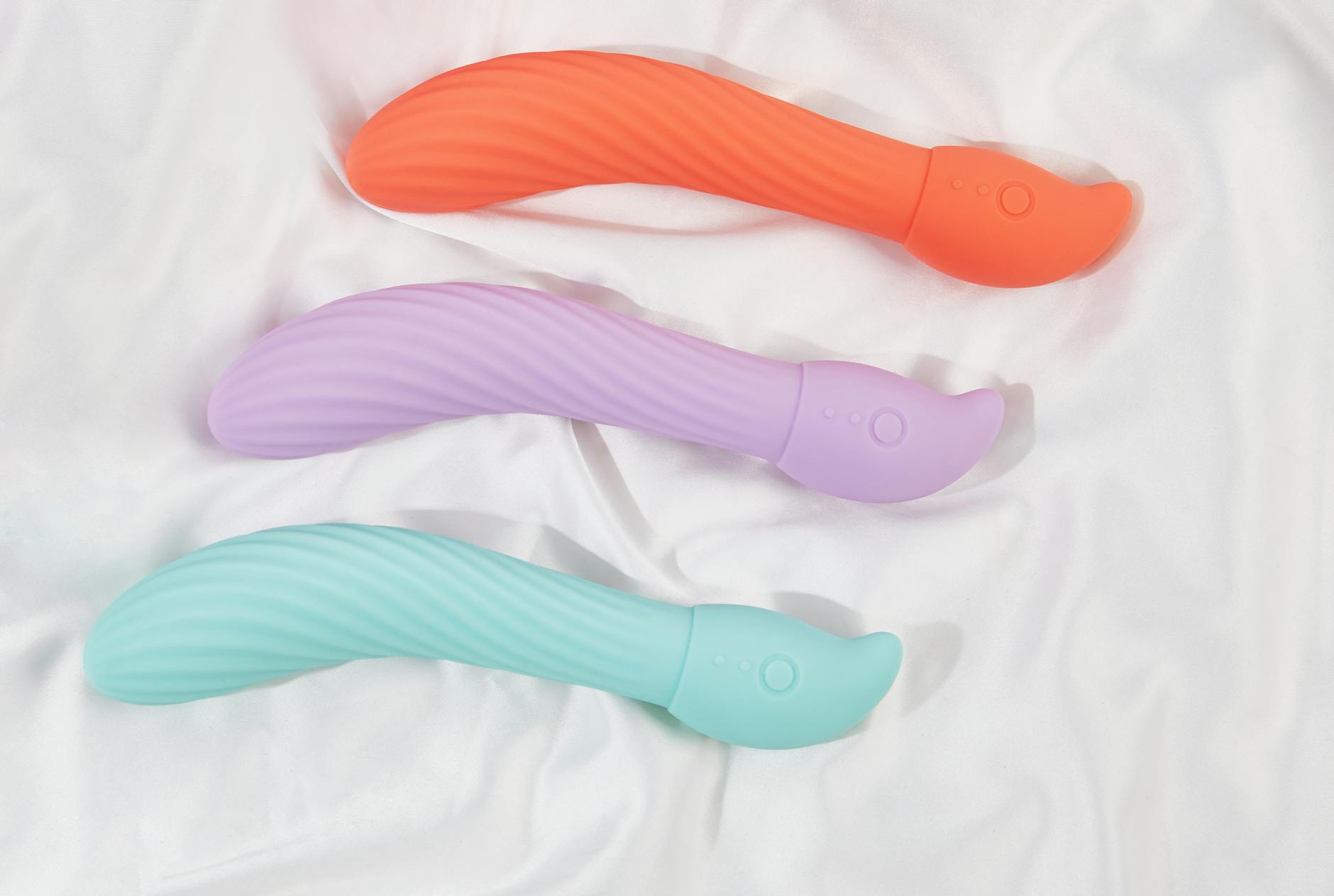
How to Use Lemon Vibrators When You Have Low Libido or Arousal Issues
Let's be real: telling someone with low libido to "just use a vibrator" is like telling someone with anxiety to "just relax." It misses the entire point of what's happening in their body and mind.
The thing about low desire is that it's rarely about broken wiring. It's usually about disconnection, safety, stress, or a body that's learned to defend itself. A lemon vibrator can absolutely help rebuild arousal, but only if you're using it in a way that actually addresses what's underneath the low libido, not just trying to force a sensation that isn't landing.
I've worked with countless clients rebuilding desire after life disruptions, relationship strain, or just the slow fade that happens when sex becomes another obligation. What I've learned is that the tools matter far less than the approach. Here's what actually works.
Why low libido changes how vibrators feel
When arousal is low, your nervous system is often in a protective state. Your body isn't naturally producing as much vaginal lubrication, blood flow to the clitoris is reduced, and sensation feels muted or even uncomfortable. Using a standard vibrator on high intensity in this state often backfires. It feels intrusive instead of pleasurable.
This is where the design of a lemon vibrator becomes genuinely useful. The suction-based stimulation of products like the Lem works differently than traditional vibration. It doesn't demand arousal the way a buzzing vibrator does. Instead, it coaxes it. The sensation builds gradually, which allows your nervous system to downshift from protection mode into curiosity mode.
That distinction matters enormously. Your body needs permission to feel good again, and permission comes from gentleness first.
The mental shift that makes the difference
Here's the part therapists don't always say out loud: most people with low libido have attached shame to desire.
You've probably heard "you should want this" from a partner, or internalized "I should want this more" from yourself. That shame lives in your nervous system. It makes your body guard itself. When you then add a vibrator into the mix, all that shame comes with it. Your body feels: "Here we go again, trying to force myself to feel something I don't feel."
The first step isn't using the lemon vibrator. It's deciding that your pleasure is not a performance metric. Not for anyone. That it's completely fine if arousal takes 30 minutes instead of 5. That low libido right now doesn't mean you're broken or unlovable.
That mental reset is often what changes everything. And it has to come before (or alongside) the tool.
Starting with the absolute basics
Three things have to be true first:
1. Privacy and zero pressure. Not privacy from a partner, necessarily, but privacy from expectations. Tell them you need to explore alone for a bit. Even if you eventually use the vibrator with them, right now your nervous system needs to practice feeling desire without an audience or an obligation.
2. A full 20-30 minutes with no goal. When libido is low, touching yourself with a goal (orgasm, sensation, proof that you're normal) creates pressure. Instead, give yourself time to simply notice what feels okay. Maybe that's watching something that interests you. Maybe it's touching other parts of your body first. Maybe it's just lying there and breathing. The lemon vibrator comes later in this timeline.
3. Lube, even if you think you don't need it. Low arousal means less natural lubrication. Using water-based lube from the start removes friction, which means the vibrator can actually be felt instead of just creating irritation. This changes the entire experience.
The actual approach with a lemon vibrator
When you're ready to introduce it, here's what works:
Start with the toy off. Hold it. Let your hand and nervous system get used to it being there. Many people skip this step because it feels silly. Don't. Your body has opinions about new objects, and those opinions matter.
Turn it to the lowest setting. The lowest. If your toy has multiple patterns, choose the gentlest one. The goal here is not sensation. It's information. You're learning what your body is capable of feeling right now.
For the first few times, you might use it for just 5-10 minutes. You might not orgasm. You might feel relatively little. That's fine. You're rewiring your nervous system's relationship to pleasure. That takes time.
What matters is whether it feels safe. Not exciting. Not intense. Safe. Does your body relax around it? Do you feel even a small spark of curiosity? That's progress.
When arousal actually starts to return
After consistent gentle use (we're talking weeks, not days), most people notice a shift. Sensation gets sharper. The warm-up time gets shorter. One day you realize you actually wanted to use the vibrator instead of deciding you "should" use it.
That's when you start exploring settings. Not because you need more intensity, but because your body can now tolerate more intensity without fear. There's a difference.
This is also when some people begin rebuilding desire with a partner. If that's your situation, how to use lemon vibrators alone vs. with a partner explores the communication piece. The key is that you've already rebuilt confidence in your own arousal before introducing someone else into it.
What actually rebuilds libido (beyond the vibrator)
The vibrator is a tool, not a magic wand. Real libido recovery requires looking at the conditions around desire.
Stress management matters wildly. If you're in chronic stress, your body will not produce desire, and no vibrator will override that. Neither will a new toy, a weekend away, or willpower. You need to genuinely lower your baseline stress.
Partner dynamics matter. If you feel unseen, unappreciated, or pressured in your relationship, your body will protect you by lowering desire. A therapist or relationship coach (rather than a toy) might be the actual solution there.
Hormonal factors are real. If you suspect thyroid issues, hormonal imbalance, or medication side effects, get bloodwork done. Some medication changes or medical interventions will do more for your libido than any sexual toy.
And sometimes low desire is just a phase. You're not broken. You're human. How to build arousal with lemon vibrators if you're starting from zero covers the longer arc of rebuilding from flatline.
Patience is the actual strategy here
Low libido didn't happen overnight, and it won't reverse overnight. But it's remarkably reversible when you stop fighting it and start working with your nervous system instead.
Your body is not your enemy. It's trying to protect you. The lemon vibrator works best when you treat it as a way to negotiate with that protective system. A way of saying: "We're safe. Let's try feeling good again. No pressure. Just curiosity."
That approach works.
People also ask
How long does it take to rebuild arousal with a lemon vibrator?
There's no standard timeline. Some people feel a shift in sensation within a week or two of consistent gentle use. Others take 4-8 weeks to notice meaningful change in their baseline desire. The key variable isn't the vibrator. It's whether the underlying stressors or relationship dynamics have shifted. If you're using a clitoral vibrator in an environment that still feels unsafe or pressured, arousal won't return no matter how good the toy is.
Can low libido be permanent?
Clinically, no. Libido can be suppressed, sometimes for years, but it's not a permanent loss of capacity. What matters is addressing what's underneath: stress, relationship disconnection, medical factors, or trauma. A lemon vibrator can help during the process of rebuilding, but it's not the primary treatment for the underlying issue. If low libido has persisted for over a year despite lowering stress and improving relationship dynamics, seeing a therapist or medical provider who specializes in sexual health is worth it.
Does using a vibrator when you have low libido make things worse?
It can, if you use it with pressure or intensity that your nervous system perceives as invasive. This is why the gentle approach matters. A toy that's too intense when your arousal is low can actually teach your body that sexual stimulation is uncomfortable, which deepens low libido. The opposite is true: gentle, safe introduction can slowly teach your body that arousal is possible again.
What if I never get aroused, even with a lemon vibrator?
Then the vibrator is a diagnostic tool, not a treatment. It tells you the issue isn't mechanical or about the right stimulation. That points toward stress, hormones, medication, relationship dynamics, or past trauma. Those are conversations for a therapist, doctor, or both. A sex toy can complement that work, but it can't replace it.
Is low libido a sign I should leave my relationship?
Not necessarily. Low desire often returns when stress decreases or when the relationship feels safer and more connected. But if the relationship itself is the source of the stress (ongoing criticism, neglect, or unresolved conflict), then yes, addressing the relationship is the priority. Sometimes that means couples therapy. Sometimes it means ending things. But you won't know which until you're honest about what's happening.
Can I use a lemon clitoral vibrator if my libido is so low I don't want to be touched?
Start without touching. Seriously. Some people benefit from just holding the vibrator off, doing nothing, for several sessions. Let your nervous system get accustomed to it. You're not trying to jump to arousal. You're trying to reduce the threat response. That might mean using it while doing something completely non-sexual: reading, listening to music, sitting outside. Whatever creates a calm, grounded state. Then, once your body stops treating the vibrator as threatening, arousal becomes possible.
Moving forward
Low libido feels permanent when you're in it. It feels like proof that something's broken. It's not. It's usually your nervous system doing exactly what it's supposed to do: protecting you from something. The lemon vibrator can help, but the real healing comes from understanding what needs protecting, and then slowly, gently, teaching your body it's safe to feel good again.
You deserve that. And your desire will return.